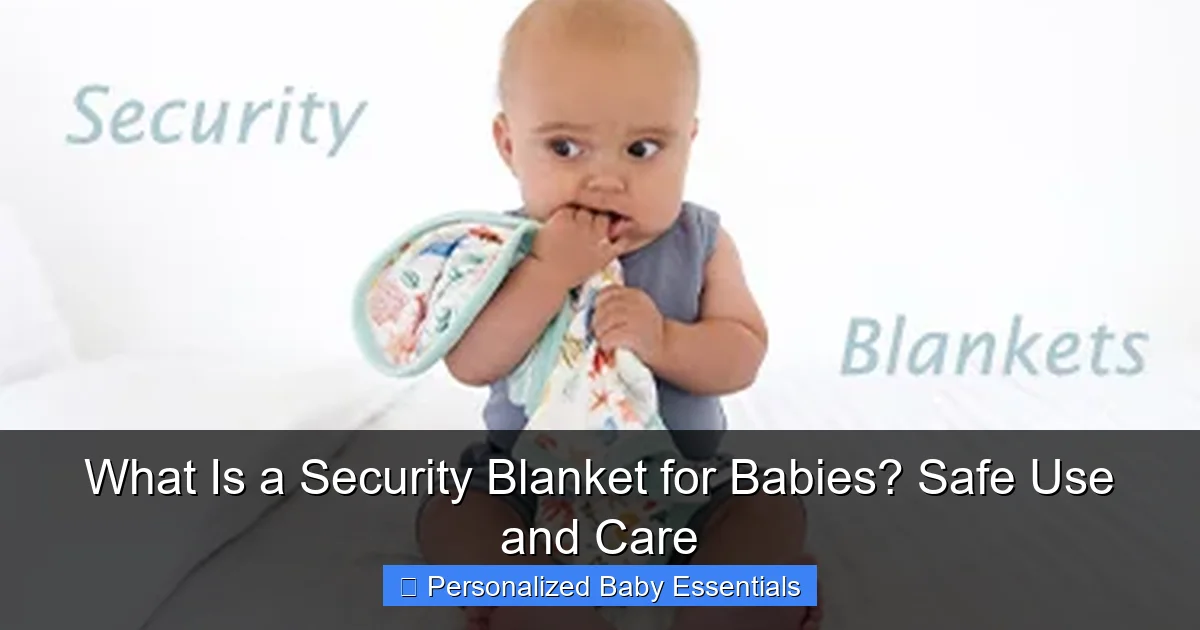
Parents often notice the pattern before they know the name: a baby rubs one corner of a soft cloth, carries it during quiet time, and reaches for it when tired or upset. That object can become a useful part of a calming routine—but only when adults use it with age-appropriate safety in mind.
In this guide, I’ll explain how a comfort object works, what features matter, how to clean it, and where the safety line sits. The goal isn’t to make a blanket seem magical. It’s to help you choose and use one thoughtfully.
Safe sleep
Easy-care fabrics
What Is a Security Blanket for Babies?
A security blanket for babies is a small, soft comfort object that a child associates with rest, separation, or reassurance. It may be a square blanket, a fabric animal with a short body, or a simple lovey without stuffing. The item itself doesn’t provide emotional security on its own. Instead, repetition gives it meaning.
A baby may notice its familiar texture, scent, or edge during a transition from play to sleep. Over time, holding the same object can become a cue that the day is slowing down. This is similar to singing the same song before bed: the value comes from the predictable routine around it.
“Security” doesn’t mean a blanket prevents crying or replaces a caregiver. It is a comfort aid. A responsive adult, feeding, warmth, and safe sleep conditions remain more important.
How Does a Lovey Help a Baby?
Comfort objects work mainly through familiarity. A consistent item may give a baby something predictable to touch while a parent steps away, a nap begins, or a new place feels overwhelming. The effect is gradual. Nine times out of ten, the routine matters as much as the fabric.
For example, I’d use the same lovey during a quiet pre-nap routine—book, cuddle, song, then crib—rather than handing it over every time a baby fusses. That sequence helps the child learn what comes next. If the item is constantly lost, swapped, or used only during distress, it may become harder to connect with a calm routine.
Offer the same clean item during quiet time.
Pair it with a song, story, cuddle, or dimmer room.
Let the child hold it briefly while a trusted adult remains nearby.
When Is a Security Blanket Safe?
The biggest safety issue is not the blanket’s name. It is whether the item is loose around a sleeping infant. The American Academy of Pediatrics recommends keeping soft objects, loose bedding, and similar items out of an infant’s sleep area. Follow the guidance from HealthyChildren.org’s safe sleep guide and your child’s clinician.
During the first year, use the lovey only while an awake adult is actively watching, such as during a cuddle, stroller walk, or floor play. Remove it before placing the baby in a crib or bassinet. After infancy, readiness still depends on the child, the product design, and current medical guidance. A toddler who can move freely is different from a young infant, but loose fabric still needs regular inspection.
Never use a comfort blanket to cover an infant’s face, pad a crib, tie a pacifier, or secure a baby in place. Avoid strings, ribbons, detachable parts, weighted inserts, and long loops.
What Features Should You Look For?
The best first choice is usually boring—in a good way. Look for a lightweight, breathable fabric with securely finished edges. Cotton or muslin may feel comfortable and wash easily, while fleece can be warmer and may trap more heat. A very plush item can also shed fibers or become bulky when wet, so inspect it rather than trusting a soft feel alone.
Experienced parents also notice the practical details: Does it fit in a diaper bag? Can you buy a backup? Will the color hide stains without encouraging you to ignore them? A lovey that needs delicate hand washing may sound appealing but become frustrating during a busy week.
How to Introduce and Use One
Choose a calm moment. Offer it during reading or cuddling, not as a rushed fix during a major cry.
Keep supervision clear. Stay close during early use and remove the item before sleep if your baby is under 12 months.
Build a backup plan. Buy two identical items when possible and rotate them so one can be washed.
If you personalize the item with a label, keep it flat and securely attached. A simple name label can help at daycare, especially when several children have similar blankets. If you’re still choosing a baby’s name, you might browse ideas for finding the perfect boy name, popular Muslim girl names starting with A, or Muslim boy names from the Quran. Just avoid added beads, charms, or long tags.
Cleaning, Storage, and Daily Care
Wash a comfort item according to its care label, especially before first use and after spit-up, food, or a diaper leak. Use a mild detergent, rinse thoroughly, and dry it completely. Damp fabric left in a diaper bag can develop an unpleasant smell and may irritate sensitive skin.
Common Mistakes to Avoid
One mistake is assuming that a small item is automatically safe for sleep. Size reduces some risks, but it doesn’t remove the concern about loose objects near an infant’s face. Another mistake is attaching the blanket to a stroller, crib, pacifier, or car seat with a cord. The attachment can create a snagging or entanglement hazard.
Parents also sometimes wash only the visible side. Fluids can soak through, and hidden moisture may remain in seams. In my experience, a second identical lovey makes hygiene much easier than trying to clean one favorite item at midnight.
Lightweight, washable, intact, and used under supervision.
Weighted, heated, scented, corded, or decorated with detachable pieces.
Simple Product Choices
Small Cotton or Muslin Lovey
A lightweight square or simple animal lovey is often the easiest starting point. Look for secure stitching, no loose accessories, and machine-washable care. It may suit families who want a familiar comfort cue without much bulk.
Two-Pack Washable Comfort Cloths
A two-pack is practical when one item is in the laundry or gets left in the car. Choose matching, lightweight pieces and inspect both equally. A backup helps preserve the routine without making one worn-out blanket indispensable.
When Should You Replace It?
Replace the item when stitching opens, fabric becomes thin, filling escapes, or a decorative part loosens. Don’t rely on a quick repair if the repair leaves a hard edge, long thread, or new loop. For a product involved in a safety concern or recall, stop using it and check the CPSC recalls database.
Ask a pediatrician if your child has unusual sleep difficulty, intense separation distress, breathing concerns, or a habit of putting damaged fabric in the mouth. General comfort-item advice cannot replace individualized medical guidance.
Frequently Asked Questions
What is a security blanket for babies used for?
It is used as a familiar comfort cue during calm routines, transitions, and supervised cuddle time. It does not replace caregiver comfort or safe sleep practices.
Can a newborn sleep with a security blanket?
No. Keep loose blankets and comfort objects out of a newborn’s sleep space. Use the item only during supervised awake time and remove it before sleep.
What material is best for a baby lovey?
A lightweight, washable fabric such as cotton or muslin is a practical choice. Check the care label, stitching, and overall design rather than choosing by softness alone.
How many security blankets should parents buy?
Two matching items are useful when possible. One can be washed while the other supports the familiar routine, reducing stress when spills happen.
How often should a baby’s comfort blanket be washed?
Wash it after spills, spit-up, food contact, or visible dirt, and inspect it regularly. Follow the care label and dry it completely before use.
When should a comfort blanket be replaced?
Replace it when seams open, fabric thins, filling escapes, or a decorative part loosens. Stop using recalled or damaged products.
Final Thoughts
A security blanket can become a sweet, familiar part of a baby’s routine when it is lightweight, washable, intact, and used safely. The key rule is simple: supervised comfort during infancy, but no loose blanket in the sleep space. Choose practical materials, keep a backup, and inspect the item often.