Babies are wrapped in blankets through swaddling because the snug feeling may calm the startle reflex and help some newborns settle. Safe swaddling requires a light, loose-at-the-hips wrap, a baby placed on the back, and stopping as soon as rolling begins.
New parents often notice a baby sleeping more peacefully after being wrapped. That can make swaddling look simple, but the details matter. A blanket that is too loose may cover the face, while one that is too tight can restrict breathing or hip movement. In this guide, I’ll explain the comfort reason behind swaddling, how it works, and the safety checks I would use during a tired middle-of-the-night change.
Safe sleep basics
When to stop
What Swaddling Really Means
Swaddling means wrapping a young baby snugly in a thin cloth so the arms are gently contained while the hips and legs can move. It is not the same as placing a loose blanket over a sleeping baby. The goal is a secure wrap around the torso, with the fabric kept away from the mouth and nose.
So, why are babies wrapped in blankets? Newborns have limited control over their arms. Their startle, or Moro, reflex can suddenly fling the arms outward. That movement may wake them just as they begin to settle. A properly fitted swaddle can reduce that abrupt motion and create a familiar, held feeling.
Swaddling doesn’t make every baby sleep longer, and it isn’t required for healthy sleep. Some babies dislike it from the beginning. In my experience, the best approach is to treat it as an optional calming tool, not a test that a parent has to pass.
Why Swaddling May Help Newborns Settle
The first weeks outside the womb can feel noisy and unpredictable. A snug wrap gives gentle pressure around the upper body, which may remind a baby of the contained feeling before birth. It can also reduce the number of uncontrolled arm movements during a nap or bedtime routine.
That doesn’t mean a swaddle is a sleep guarantee. Hunger, gas, illness, a wet diaper, and an uncomfortable room can still wake a baby. Swaddling only addresses one possible reason for fussiness: the sudden movement caused by the startle reflex.
The possible benefit
Containing the arms may reduce startling and help some newborns transition from feeding or rocking to lying calmly in the bassinet.
The important limit
A swaddle must never be used to hold a baby face-down, restrict the hips, or delay moving to an arms-free sleep option once rolling signs appear.
How to Swaddle More Safely
Safe wrapping starts with the sleep environment, not the blanket. Use a firm, flat sleep surface with no pillows, stuffed toys, bumper pads, or loose covers. Place the baby on the back for every sleep, including naps. The American Academy of Pediatrics explains safe sleep recommendations through its parent guide to safe sleep.
Choose a lightweight, breathable cloth that fits the baby. The upper wrap should feel secure but not compress the chest. At the bottom, leave enough room for the legs to bend upward and outward. Tight, straight-leg wrapping may increase the risk of hip problems, especially when repeated over time.
The safe-swaddle check
Baby starts every sleep on the back.
Face and neck stay uncovered.
Legs can bend and move freely.
Stop at the first signs of rolling.
A simple wrapping routine
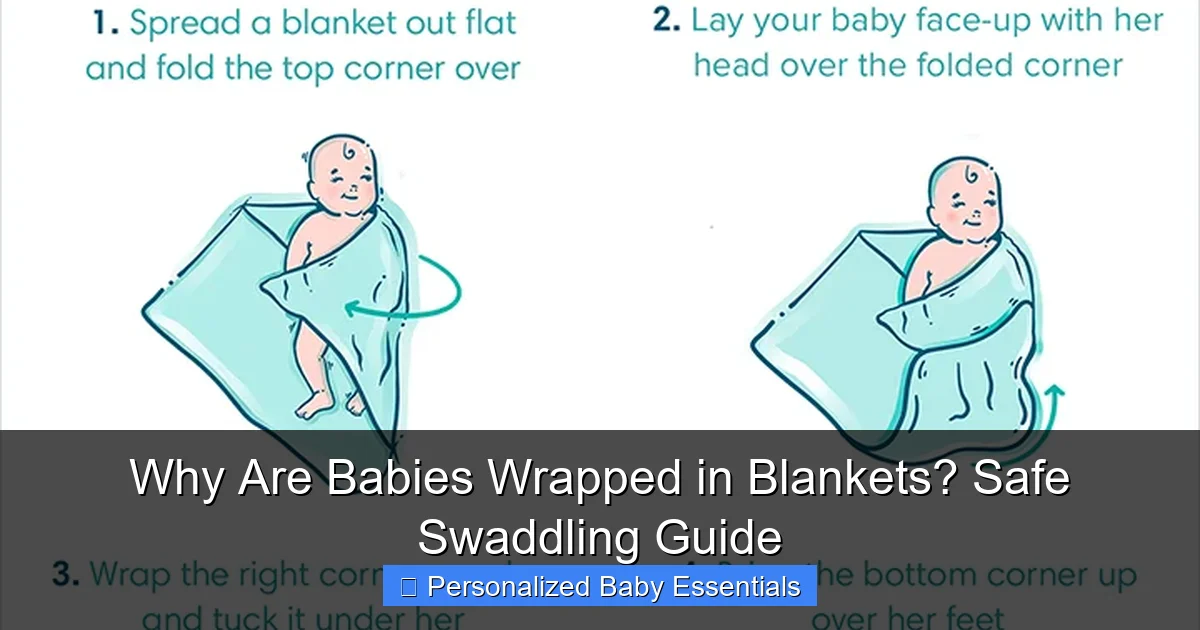
Lay the cloth flat. Fold one corner down and place the baby with the shoulders below the fold. The head must remain above the fabric.
Position the arms gently. Keep them in a natural position rather than forcing them tightly against the body.
Secure the sides. Wrap across the chest without covering the face or creating pressure that makes breathing look difficult.
Check the lower half. The pouch around the legs should be roomy. Put the baby down on the back and check again after settling.
Never wrap a baby so tightly that the chest cannot expand normally. Stop and seek medical advice if your baby appears overheated, struggles to breathe, has unusual color, or cannot move comfortably.
Blanket Material, Fit, and Temperature
A thin cotton or muslin cloth is often easier to manage than a thick, padded blanket. The reason is simple: layers trap heat. Overheating can be difficult to notice when you are focused on getting a sleepy baby settled, so feel the chest or back rather than relying only on hands and feet, which may naturally feel cool.
Fit matters just as much as material. A wrap that comes undone can become loose bedding. A wrap that is too small may ride upward or press against the hips. Always follow the size and weight guidance supplied with a wearable swaddle, and check the fabric before every use for loose threads, tears, or stretched closures.
When to Stop Swaddling
The most important stopping point is when a baby shows signs of rolling or trying to roll. That may happen earlier than expected. Once a wrapped baby can turn onto the side or stomach, the arms need to be free so the baby can use them to adjust position. Don’t wait for a perfect full roll.
This is one reason why babies are wrapped in blankets only during a short newborn stage. Swaddling may be calming before mobility develops, but the same restricted arms become a safety concern when the baby starts moving deliberately. Transition to an arms-free wearable sleep layer according to the product instructions.
If you aren’t sure whether a movement counts as rolling, ask your pediatrician. The CDC safe sleep guidance is also a useful reference for keeping the sleep space clear and appropriate.
Common Swaddling Problems and Better Choices
Most swaddling problems come from a wrap that loosens, a baby who overheats, or a caregiver who keeps using it after the baby becomes more mobile. A quick check at every sleep is more useful than assuming yesterday’s wrap is still secure today.
Mistakes Parents Often Make
One common mistake is treating a swaddle like a loose nighttime blanket. It isn’t. If the fabric can move over the baby’s face, it doesn’t belong in the sleep space. Another mistake is wrapping the legs straight and tightly. Newborn hips need room to flex and open.
Some caregivers also add a hat indoors or use several layers because a baby’s hands feel cool. That can add heat without solving the real issue. Check the torso, keep the room comfortable, and follow medical advice for premature or medically fragile babies.
Finally, don’t use a weighted swaddle or weighted blanket unless a qualified healthcare professional specifically directs you. Extra weight can affect breathing and movement, and product claims do not replace safe sleep guidance.
Practical Tips for the Bedtime Routine
Use the same short sequence each night: feed, burp, diaper, dim the lights, wrap if your baby is still safely at the swaddling stage, and place the baby on the back in the bassinet. Consistency can help signal that sleep is coming, even when the night is messy.
Keep one clean backup wrap nearby. A spit-up stain or damp corner should not lead you to reuse a wet cloth. Wash according to the care label, and retire any fabric with torn seams, damaged fasteners, or stretched areas that no longer stay secure.
And remember, a quiet baby is not always a comfortable baby. Look at breathing, skin temperature, posture, and the fit of the wrap. If something seems wrong, remove the wrap and contact your pediatrician or emergency services when symptoms are urgent.
When to Ask a Healthcare Professional
Ask your pediatrician for individual advice if your baby was premature, has breathing concerns, has a hip condition, has unusual muscle tone, or cannot tolerate ordinary sleep clothing. Medical conditions can change what is appropriate, so general swaddling instructions may not fit every child.
Contact a professional promptly if your baby has trouble breathing, turns blue or gray, is difficult to wake, feels unusually hot, or is repeatedly slipping into an unsafe position. For product recalls or hazards involving sleep items, check official CPSC recall information.
Helpful Kitchen Products
Digital Food Thermometer
A simple kitchen tool that helps check doneness more confidently.
Airtight Food Storage Containers
Helpful for leftovers, pantry staples, and cleaner kitchen organization.
Frequently Asked Questions
Why are babies wrapped in blankets?
Babies are wrapped through swaddling because the snug feeling may reduce the startle reflex and help some newborns settle. It must be done with a light, secure wrap and safe sleep positioning.
Can a swaddled baby sleep on the side?
No. Place a swaddled baby on the back for every sleep. If the baby rolls or tries to roll, stop swaddling and keep the arms free.
How tight should a baby swaddle be?
It should be snug around the chest but loose enough for normal breathing. The hips and legs need room to bend and move naturally.
When should I stop swaddling my baby?
Stop at the first signs of rolling or attempts to roll. Moving to an arms-free sleep layer allows the baby to use the arms during movement.
Are thick blankets safe for newborn swaddling?
Thin, breathable fabric is generally easier to manage than thick fabric. Thick layers may increase warmth, so follow clothing guidance and check the baby’s chest or back.
What should I do if my baby hates being swaddled?
Don’t force it. Try a properly fitted arms-free sleep layer when appropriate, or ask your pediatrician for guidance based on your baby’s age and movement.
Final Thoughts
Why are babies wrapped in blankets? Swaddling can limit the startle reflex and offer comfort during the early newborn weeks, but it only works safely when the face stays clear, the hips stay loose, the baby sleeps on the back, and wrapping stops at the first rolling signs. When in doubt, choose a simpler sleep setup and ask your pediatrician.