Most newborn blankets measure about 30 by 40 inches, while crib blankets are often 40 by 60 inches. Choose the size by use, fabric, and age—not by size alone. A baby blanket measurement chart is a starting point, not a substitute for safe supervision.
Choosing a baby blanket sounds simple until you compare stroller blankets, receiving blankets, crib blankets, and handmade designs. Each one serves a different routine. I find the easiest approach is to begin with the sleeping or carrying space, then add enough fabric for comfortable coverage without creating loose material around a young baby.
Use this guide when shopping, sewing, gifting, or checking whether an older blanket still fits its purpose. The measurements are practical U.S. guidelines, so always compare them with the product listing and the manufacturer’s care instructions.
crib and stroller use
safe fabric choices
sewing measurements
What the Measurements Actually Mean
A blanket size is normally written as width by length. For example, 30 by 40 inches means the shorter side is 30 inches and the longer side is 40 inches. That sounds obvious, but handmade blankets can shrink after washing, and thick borders can make the usable center feel smaller than the listed dimensions.
The right measurement depends on the job. A receiving blanket needs to fold easily. A stroller blanket should cover a child without dragging near wheels. A decorative toddler throw can be larger because it is used while an adult is nearby. In other words, there isn’t one universal best size.
Measure the blanket after washing if you are checking a handmade item. Cotton and some bamboo blends may change size, especially when washed warm or dried on high heat.
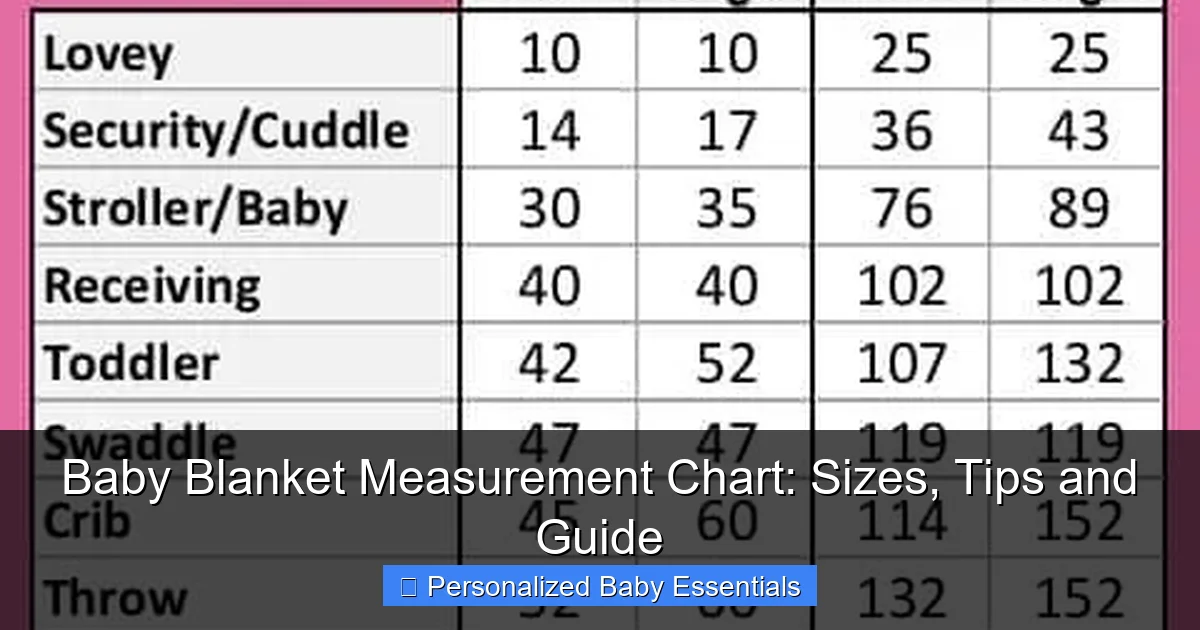
Baby Blanket Measurement Chart by Use
This baby blanket measurement chart separates common sizes by real-life use. The ranges are not strict rules. They help you compare options before buying fabric or placing an order.
How to Choose the Right Size
Start by measuring the space, not the baby. For a stroller, measure the seat area and leave room for straps and movement. For a changing bag, choose a folded size that fits without crushing other supplies. If you are sewing, add seam allowance before cutting. A half-inch seam on four sides can reduce the finished size by about one inch in both directions.
Next, think about fabric weight. Fleece, sherpa, and chunky knits feel warmer but take up more room when folded. Muslin and lightweight cotton fold flat and dry faster. Nine times out of ten, a smaller washable blanket is more useful for errands than a large, heavy one that stays damp in the laundry basket.
The simple size decision path
Arms, stroller, floor, couch, or supervised play.
Choose lighter fabric for warm rooms and layers for flexible use.
Allow for shrinkage and select a size that fits your laundry routine.
Infant sleep use requires a much stricter safety check than a toddler couch throw.
Fabric, Borders, and Finished Measurements
Fabric content changes how a measurement behaves. Cotton is breathable and familiar, but it may shrink. Polyester fleece usually keeps its size better and dries quickly, though some babies may feel warm under it. Wool can insulate well but needs careful laundering and may irritate sensitive skin. Check the care label rather than guessing from touch alone.
For sewing, distinguish cut size from finished size. If you want a 30 by 40 inch blanket with a half-inch seam allowance, cut approximately 31 by 41 inches when joining two layers, depending on your construction method. Quilted blankets may also contract after washing because stitching pulls the layers together.
Beginner check
Lay the blanket flat without stretching it. Measure from edge to edge in two places. If the numbers differ by more than an inch, the fabric may be skewed or the border may be pulling.
Experienced eye
Look at drape, not just numbers. A stiff 36-inch blanket may cover less comfortably than a soft 30-inch one because it does not settle around the body.
Safety Checks for Infant Use
Size and safety are connected, but they are not the same thing. A blanket can be the “right” size and still be unsafe in an infant sleep space. The American Academy of Pediatrics recommends keeping loose blankets and other soft bedding out of an infant’s sleep area. Use the CPSC safe sleep guidance and your pediatrician’s advice when setting up a crib.
For supervised holding, a blanket should never cover a baby’s face or make the baby sweaty. Check the neck and chest rather than relying on cold hands. In a stroller, keep the material clear of wheels, harness buckles, and ventilation openings. Avoid cords, long ribbons, loose pom-poms, and poorly attached appliques.
Never use a loose blanket as a replacement for an approved sleep sack or wearable blanket during infant sleep. Follow current safe-sleep recommendations and the product instructions.
Measuring, Washing, and Storing
Use a flexible tape measure on a clean, dry surface. Smooth the blanket without pulling. Record width and length separately, then check the care label before washing. If the blanket is a gift, measure it again after the first wash; this gives you the honest finished size.
Wash baby textiles with a mild detergent and rinse thoroughly. Avoid fabric softener if it leaves a coating or fragrance that bothers the child. Dry completely before folding, because a slightly damp blanket can develop a musty smell in a drawer. Store it in a breathable shelf or cotton bag rather than sealing damp fabric in plastic.
Useful Measuring Tools
You don’t need a specialized sewing studio. A soft tape measure is best for finished blankets because it follows rounded corners. A rigid ruler helps check border width, while paper or masking tape can mark a clean measuring line on a table. Measure twice before cutting—fabric mistakes are expensive and frustrating.
Flexible Sewing Tape Measure
Best for: checking finished width, rounded corners, and fabric before cutting.
Choose a tape with clear inch markings that won’t twist easily. It is a small tool, but it makes a noticeable difference when a blanket has a curved edge or thick binding.
Washable Fabric Marking Pencil
Best for: marking seam allowances and cutting lines on sewing projects.
Test any marking tool on a fabric scrap first. A mark that disappears on one cotton may remain on fleece or a printed fabric.
Common Mistakes to Avoid
The biggest mistake is choosing a large blanket because it seems more useful. Large fabric can bunch, drag, or become difficult to wash. Another common error is measuring only before washing. A blanket that starts at 30 by 40 inches may finish smaller after heat and agitation.
People also confuse a crib-size blanket with safe crib bedding. Those are different questions. A product can fit the mattress and still not belong in an infant’s sleep space. Finally, don’t judge warmth by thickness alone. Layering clothing, room temperature, fabric breathability, and the child’s comfort all matter.
If you enjoy personal gifts, a measured blanket can be paired with a name card or keepsake note. For inspiration, you might browse meaningful baby boy names, unique baby girl names, or uncommon baby girl names before adding a personalized label. Keep the decoration securely outside the baby’s reach.
When to Replace a Blanket
Replace or repair a blanket when seams open, stuffing escapes, edges fray badly, or decorations loosen. Stains alone don’t always mean replacement if the fabric can be cleaned safely, but persistent odor, mildew, or damage is a different matter. If you can’t make the item secure after washing, retire it from baby use.
As a child grows, the same blanket may move from supervised stroller use to a couch or reading chair. That change can make a larger throw practical later. Still, follow the child’s age and the intended sleep guidance rather than assuming an older child has no risks.
Frequently Asked Questions
What is the most common newborn blanket size?
A receiving blanket around 30 by 40 inches is common. It folds easily and works for supervised holding, nursing, or travel.
What size blanket fits a crib?
Crib blankets are often about 40 by 60 inches, but size does not determine safe sleep use. Loose blankets should not be placed in an infant’s sleep area.
Should I prewash fabric before making a blanket?
Usually, yes. Prewashing can reveal shrinkage and helps the finished blanket keep a more predictable size.
Is a larger baby blanket better?
Not necessarily. A larger blanket may cover more, but it can bunch, overheat, drag near stroller parts, or become harder to wash.
How do I measure a handmade blanket?
Lay it flat without stretching, measure width and length in two places, and record the smaller finished measurement if the edges vary.
Final Thoughts
Use the chart as a practical starting point, then confirm the blanket’s fabric, finished size, washing behavior, and intended use. For infants, safety matters more than extra coverage. A well-sized, washable blanket is usually the one that fits your real routine—not simply the largest option.