The best crochet pattern for baby blanket projects is usually a simple, tightly worked pattern with a smooth texture, a manageable size, and no loose decorations. Choose a pattern you can check for even edges, secure ends, and easy washing.
Choosing a crochet pattern for a baby blanket is less about finding the most elaborate design and more about matching the stitch, fabric, size, and care routine to the baby’s use. A calm, repeatable pattern is easier to finish neatly and inspect before it reaches a child.
This guide focuses on pattern selection, beginner checks, construction steps, safe use, washing, and troubleshooting. It also keeps an important distinction clear: a handmade blanket may be suitable for supervised awake time, but that does not automatically make it suitable for infant sleep.
Beginner crochet
Baby blanket pattern
Care and safety checks
What Makes a Crochet Pattern Suitable?
The best crochet pattern for baby blanket use is one that creates a stable fabric without difficult-to-inspect gaps or loose additions. “Best” doesn’t mean one exact stitch works for every family. It means the pattern fits the maker’s skill, the intended blanket size, the expected washing routine, and the baby’s supervised use.
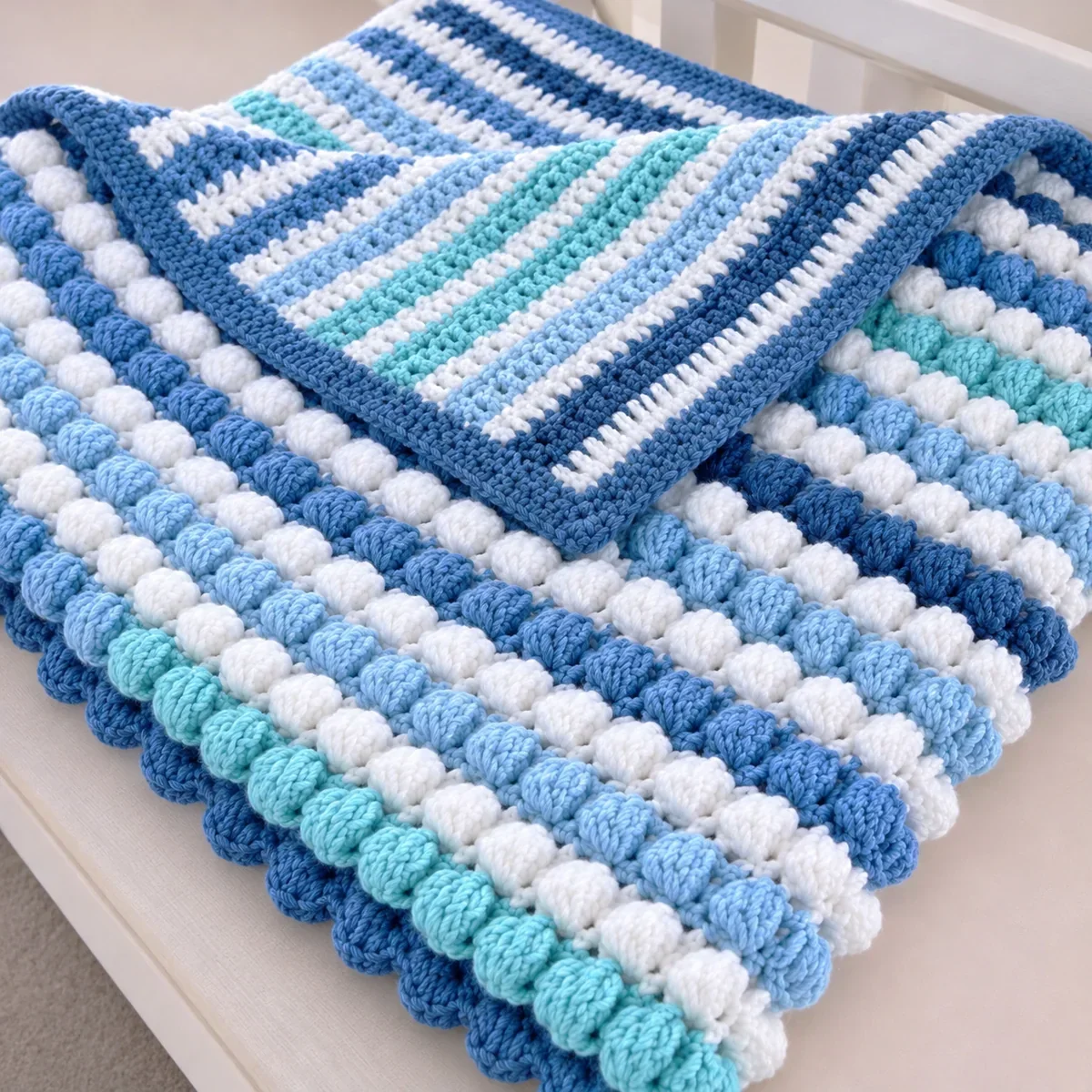
For many beginners, a repeating stitch is easier to manage than a pattern with frequent shape changes. Repetition makes it simpler to notice a missed stitch, compare rows, and keep the blanket rectangular. A smooth surface can also be easier to examine than a highly textured surface where loops, tails, or attachments may hide.
Before starting, read the entire pattern once. Look for the stitch abbreviations, turning instructions, stated gauge, finishing method, and any special edging. If the pattern assumes skills you don’t have, choose a simpler version or practice the stitch on a small swatch first.
Can you repeat the stitch and count the row?
Does the finished fabric stay stable when gently handled?
Will an adult supervise the baby’s awake use?
Compare Stitch Features Before You Begin
Start with the fabric you want, then choose the stitch pattern that can create it. A very open design may have more visible spaces, while a dense design may feel heavier or take longer to complete. Neither description alone proves that a pattern is safe or unsafe; it simply tells you what to inspect and how the blanket may behave.
For a first project, prioritize clear row repeats and edges that are easy to count. A decorative border can be added later only if it remains secure and doesn’t create dangling loops. If a pattern includes appliqués, tassels, buttons, beads, or other attachments, treat each attachment as a separate inspection point.
Prepare the Pattern and Materials
Preparation prevents most avoidable crochet blanket problems. You need the written pattern, a crochet hook that matches its instructions, yarn suitable for the pattern, a way to count rows, and a blunt tool for weaving in ends. The pattern’s instructions should take priority over generic assumptions about hook size or yarn weight.
Make a small swatch when the pattern gives a gauge. Gauge describes how many stitches and rows fit into a stated area. If your stitches are tighter, the blanket may become smaller and firmer; if they are looser, it may become larger and more open. Measure the swatch after it has been handled according to the pattern’s care directions when those directions are provided.
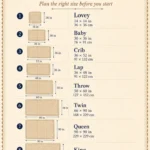
Confirm the finished measurements before you chain the foundation. Our baby blanket measurement chart can help you think through the intended size, but the pattern’s own measurements and your actual gauge still matter. Size labels vary, so don’t rely on a name such as “receiving” or “stroller” without checking dimensions.
Photograph or write down the row count whenever you stop. This makes it easier to restart at the correct place and notice whether the edges are gradually changing shape.
A Practical Step-by-Step Method
Work in short checkpoints instead of waiting until the final row to inspect the blanket. This approach catches counting and tension problems while they are still easy to correct.
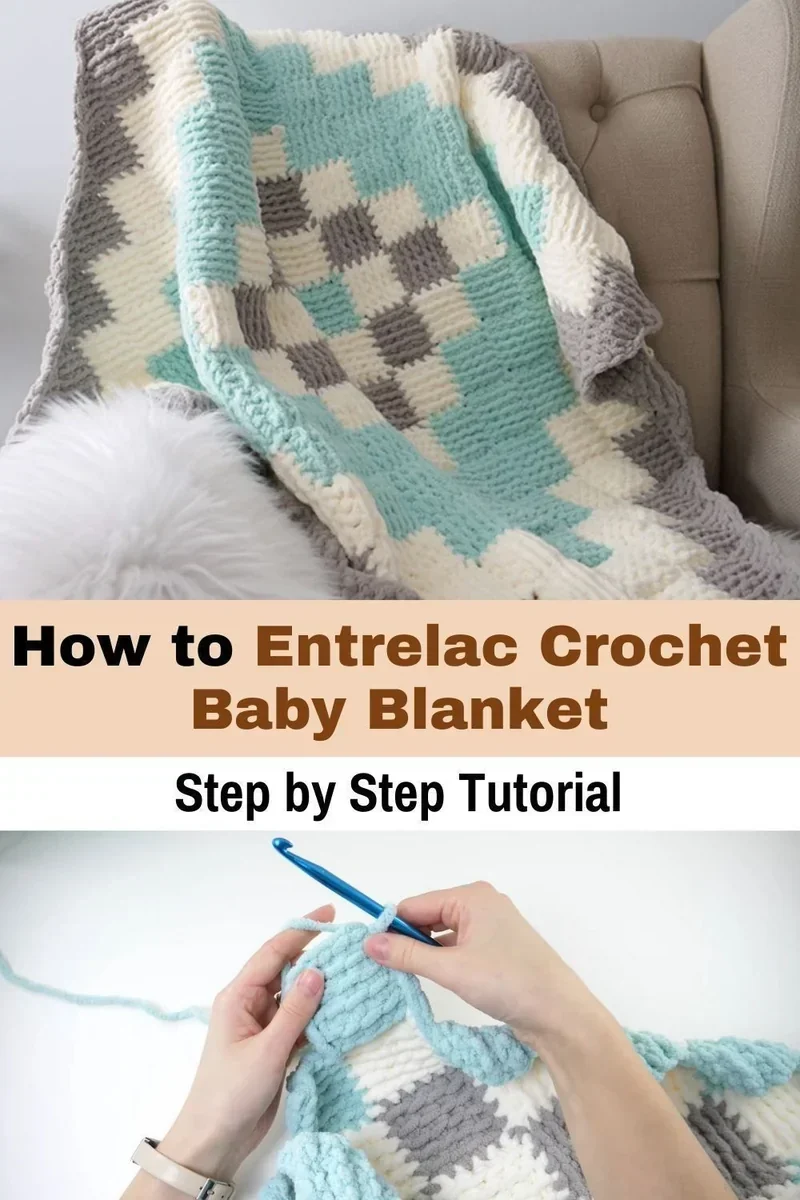
Read and mark the repeat. Highlight the section that repeats and note whether the turning chain counts as a stitch. This small detail affects row counts and edge shape.
Make the foundation carefully. Count the starting chain or foundation stitches before beginning the first row. A foundation that is too tight can pull the lower edge inward.
Pause after several rows. Lay the work flat and compare both sides. Look for missing stitches, widening edges, curling, or a visible change in tension.
Finish without rushing. Secure the final loop, weave in ends according to the pattern, and inspect the border. Trim only after the ends are secure.
Safety and Use Checks
Use a crochet baby blanket only with supervision unless current, authoritative guidance specifically supports another use. A blanket’s handmade appearance, soft feel, or pattern name doesn’t establish that it is appropriate for infant sleep. For sleep questions, review the guidance at CPSC Safe Sleep and follow the baby’s care instructions from a qualified healthcare source.
Before use, inspect the entire blanket in bright light. Check the center, corners, border, color-change joins, and every decorative attachment. Gently handle the fabric to find loose ends or parts that pull away. Stop using it if you find a hole, unraveling section, detachable decoration, or damage that you can’t securely repair.
Don’t use a loose blanket as a sleep covering for an infant simply because the crochet pattern is dense. Keep the blanket separate from the baby’s sleep space unless reliable, age-appropriate guidance says otherwise.
Washing, Drying, and Storage
Follow the pattern or yarn-care instructions and test the finished fabric’s response before regular use. Different fibers and stitch structures can react differently to water, agitation, heat, and stretching. Avoid assuming that two yarns with similar appearances can be cleaned in exactly the same way.
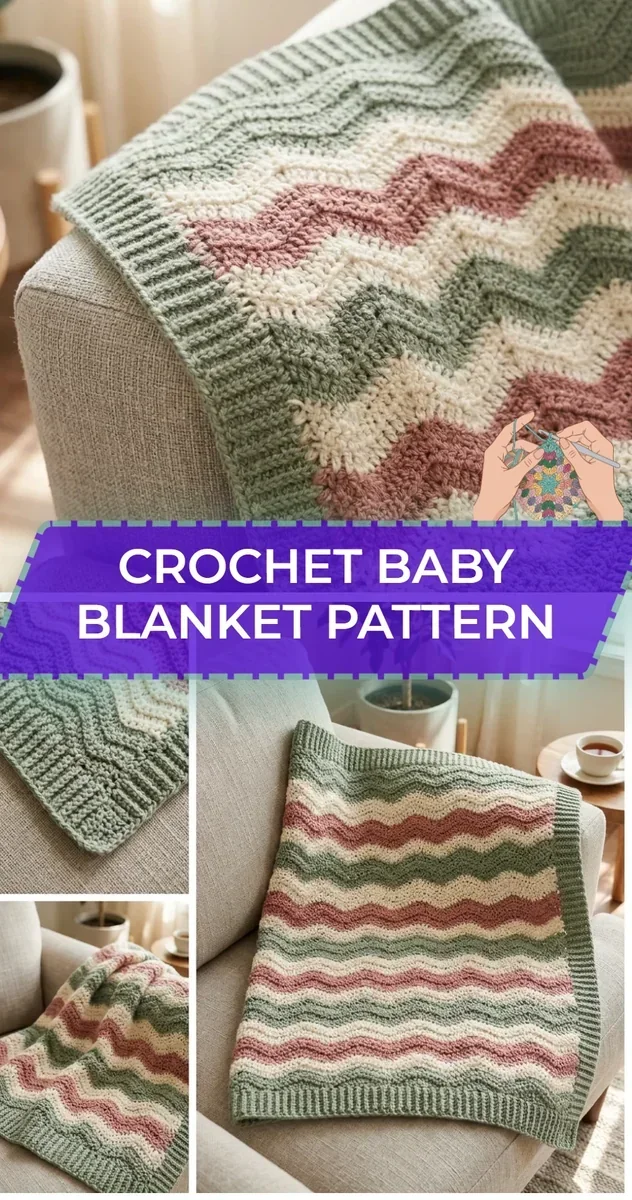
After washing, reshape the blanket gently if needed and allow it to dry according to the care directions. Don’t pull hard on wet stitches. Store it clean and completely dry, with no sharp objects or loose decorations pressed against the fabric.
Common Problems and Fixes
Most crochet blanket problems come from counting, tension, or finishing—not from the basic idea of the pattern. Fix the smallest confirmed problem first. If you keep changing hook size, stitch count, and yarn at the same time, you won’t know which change helped.
Edges are widening
A stitch may be added at the row end. Compare the current row with the pattern and count the first and last stitches before continuing.
Fabric curls
The foundation or early tension may be too tight, or the stitch may naturally need more rows before it settles. Check the pattern before forcing it flat.
Loose tail appears
Stop and secure it rather than trimming immediately. A loose end can become a larger unraveling problem after handling or washing.
Mistakes to Avoid
Don’t choose a pattern only because its picture looks attractive. A photo may not show the fabric’s underside, the amount of counting required, the finishing work, or how attachments are secured. Read the construction details and decide whether you can inspect every part.
Another common mistake is skipping the finished-size check. A blanket made for supervised cuddling may not fit the same routine as one intended for a stroller or floor play. Keep those uses separate, and review our guide to when a baby can have a blanket before treating the project as a sleep item.
Finally, avoid adding ribbons, small buttons, beads, or long fringe just to personalize the design. Personal touches can be attractive, but every added element creates another place to check for looseness, snagging, or separation.
Your Final Pattern Checklist
Choose the pattern you can make, inspect, clean, and use responsibly. Before beginning, answer these questions: Can you explain the stitch repeat? Can you count the rows? Do you know the finished measurements? Can you follow the care directions? Will an adult supervise the baby’s use?
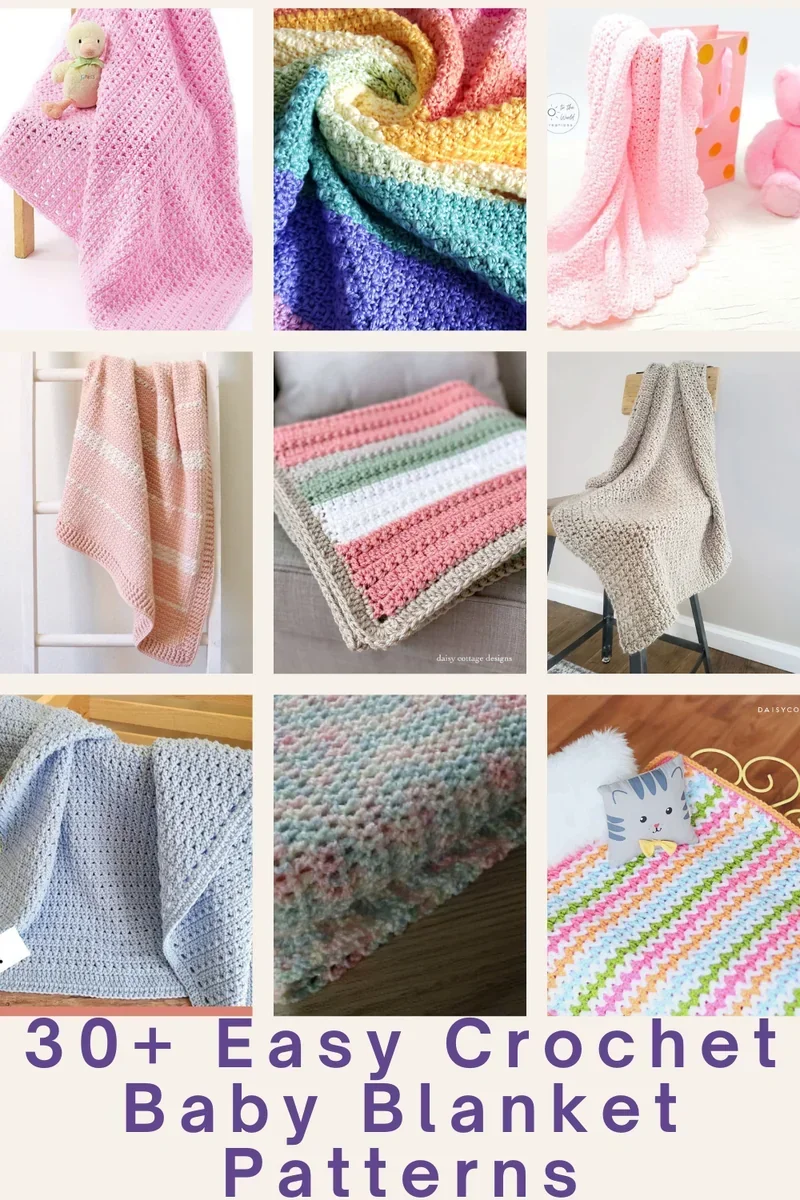
If the answer to any question is no, pause and resolve that uncertainty first. You can practice the stitch, make a swatch, simplify the edging, or select a different pattern structure. The most successful beginner project is usually the one with clear instructions and a realistic finishing plan.
Frequently Asked Questions
What is the best crochet pattern for baby blanket beginners?
A repeating pattern with clear rows, simple edges, and few or no attachments is often the easiest starting point. Make a swatch and confirm the finished size before continuing.
Should a crochet baby blanket have a tight stitch?
It should create a stable fabric appropriate for the intended supervised use, but “tight” alone doesn’t prove suitability. Inspect gaps, loops, edges, and attachments.
Can a crochet blanket be used in a baby’s crib?
Don’t assume it can. Infant sleep guidance should take priority, and a loose blanket should not be treated as a crib-safe item without authoritative, age-appropriate guidance.
Why is my crochet baby blanket getting wider?
You may be adding a stitch at the beginning or end of rows, or the turning chain may be counted incorrectly. Compare one row with the instructions and recount its stitches.
How should I check a finished crochet baby blanket?
Inspect it in bright light, gently handle the edges and joins, check all decorations, secure loose ends, and confirm that it is clean and fully dry before supervised use.
Final Thoughts
The best crochet pattern for baby blanket projects is clear, manageable, inspectable, and suited to supervised use. Start with a swatch, track your stitch count, check the finished fabric, and follow reliable infant sleep guidance separately. Your next practical step is to read one pattern from beginning to end before making the foundation chain.