For a practical starting point, measure the baby blanket’s planned use first, then choose a square or rectangular size that matches it. Crochet a gauge swatch, allow for edging, and check that the finished fabric has no loose loops or long openings.
A baby blanket crochet size guide is most useful when it treats size as a design decision, not a single universal measurement. A small cover for supervised cuddling has a different purpose from a larger floor blanket, stroller layer, or keepsake.
Use the guide below to plan dimensions, calculate stitches, check the finished fabric, and avoid common mistakes. The measurements are planning examples rather than mandatory standards. The baby’s routine, the blanket’s construction, and the level of supervision matter just as much as the tape measure.
Gauge planning
Supervised use
What size should a crocheted baby blanket be?
There isn’t one official baby blanket size that suits every situation. Start with the blanket’s job: a compact lap or cuddle blanket needs less fabric than a floor blanket, while a decorative keepsake can be sized around a name, motif, or border.
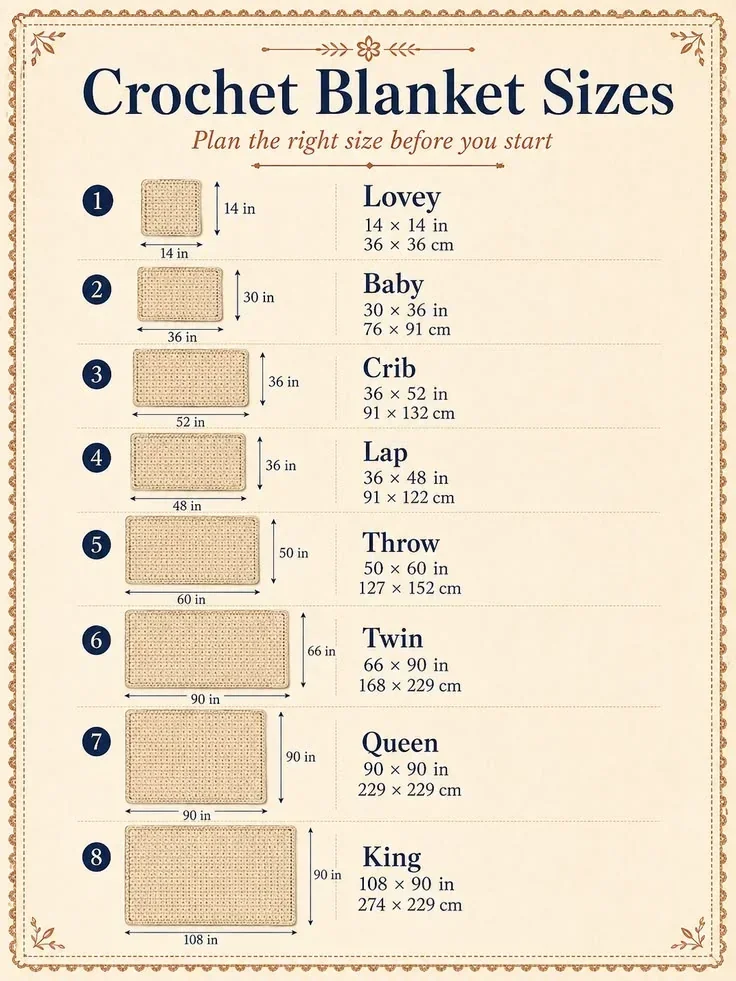
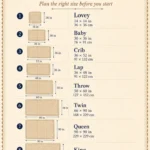
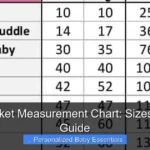
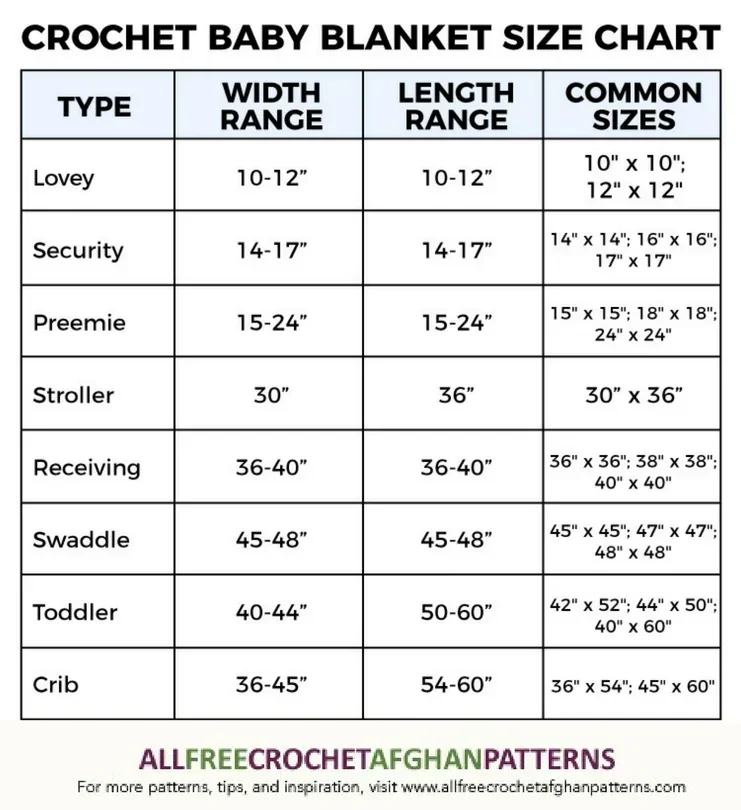
The table gives useful starting points for planning. Treat each range as a design example, not a promise that the blanket is suitable for sleep or transport. Add the border only after deciding whether the listed dimensions describe the center panel or the completed blanket.
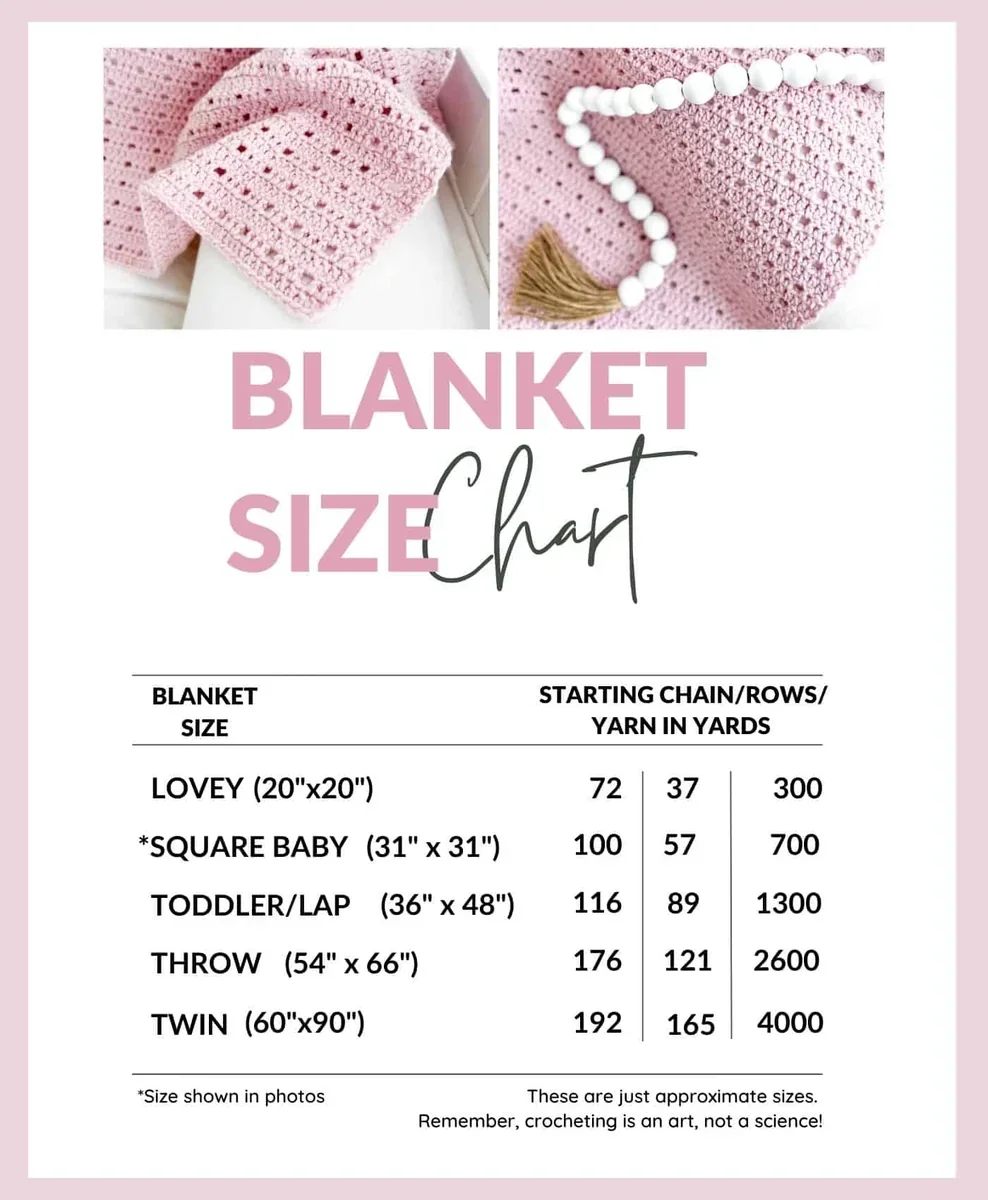
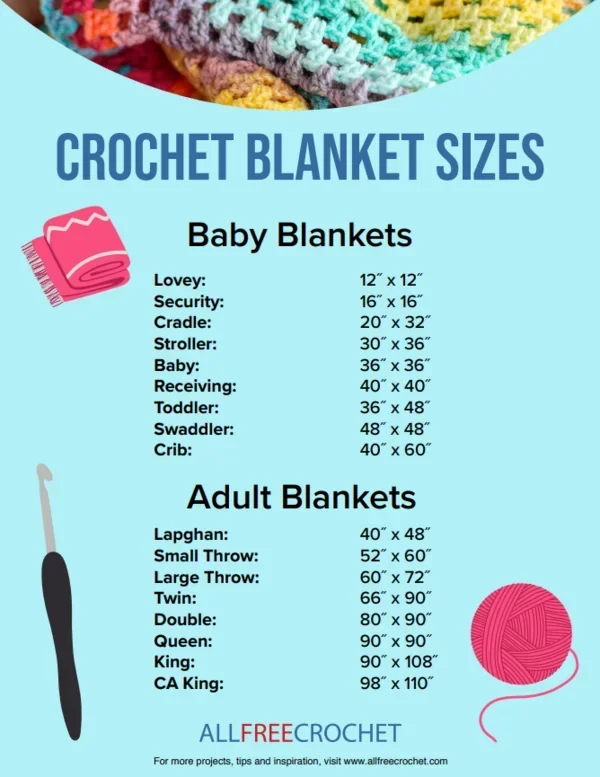
For more measurement examples, compare your plan with this baby blanket measurement chart. If the blanket will be a gift, ask about its intended routine instead of assuming that “baby blanket” means one standard shape.
Choose the shape and use before you crochet
Choose the use first, because the use determines the most helpful length, width, drape, and border. A square is simple for repeating motifs, while a rectangle can give more coverage in one direction without making the whole blanket wide.
Also decide whether the finished piece is for supervised awake time, a floor activity, a photo prop, or decoration. These are different settings. A blanket made for a supervised cuddle should not automatically be treated as bedding for an unattended infant.
Square plan
Choose this if you want balanced edges, easy folding, or a centered motif. Check that the final border doesn’t make the blanket noticeably larger than the space where it will be used.
Rectangle plan
Choose this if you want more length than width, a directional stripe, or a design that follows the body without being wrapped tightly around it.
Decide where supervised use will happen.
Pick length and width before stitch count.
Test how many stitches fit your fabric.
Measure again after edging and washing.
How crochet gauge changes the finished size
Gauge is the relationship between your stitches, rows, yarn, hook, and tension. If your stitches are larger than the pattern example, the blanket can finish wider or longer than expected. If they are smaller, the same stitch count can produce a more compact blanket.
A beginner check is simple: crochet a small sample in the actual stitch pattern, then measure the middle area rather than relying on the outer edge. Measure across several stitches and rows. The goal is not always to match a pattern perfectly; it is to know how your fabric behaves before committing to a full blanket.
Measure the target. Write down the desired finished width and length, including whether the border is part of that measurement.
Make a gauge swatch. Use the stitch, hook, and yarn planned for the blanket. A different stitch can change the fabric and the calculation.
Calculate and recheck. Divide the target width by the width per stitch, then round to fit the pattern repeat. Recheck after several rows.
If the design uses a repeating stitch pattern, the starting chain may need to be adjusted by the repeat number. It’s better to change the starting count than to force an uneven final edge.
Check the fabric, edges, and finished dimensions
Size alone doesn’t tell you whether a crocheted blanket is practical. The fabric should lie reasonably flat, the edges should not curl severely, and the border should be secure. Openwork patterns may look attractive but can create larger openings or loops than a caregiver intended.
Run your fingers over the whole blanket after weaving in ends. Look for loose tails, skipped joins, stretched corners, or decorative pieces that could detach. If you find a problem, repair it before use rather than trimming it and hoping the issue disappears.
A crocheted blanket should not be treated as loose bedding for an unattended infant. Keep sleep guidance separate from supervised awake use, and review this guide on when a baby can have a blanket for the specific situation.
Common mistakes and simple fixes
The most common sizing mistake is starting with a stitch count instead of a finished measurement. Stitch counts vary with yarn, hook size, stitch pattern, and personal tension. A second mistake is forgetting that a wide border can add several inches to the final result.
Another issue is measuring before the fabric settles. If the care instructions allow washing, follow them before taking the final measurement. Never assume that blocking will correct a blanket that has uneven tension, weak joins, or insecure ends.
For upkeep, inspect the blanket before each use, especially after washing. Stop using it if the fabric develops loose strands, detached decorations, severe stretching, or openings that weren’t present in the original design. Store it clean and fully dry, folded loosely rather than compressed while damp.
Three practical planning examples
Example one: You want a compact blanket for supervised cuddling. Choose a square plan, decide whether the completed size should be closer to 24 or 30 inches, and keep the border narrow enough that it doesn’t change the intended proportion.
Example two: You’re making a rectangular floor blanket. Measure the available clean floor area first, then choose a size that can be folded and washed without becoming difficult to handle. A simple stitch pattern may make it easier to maintain consistent tension across a larger project.
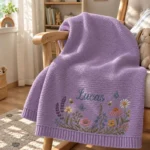
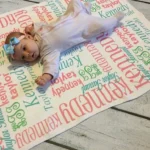
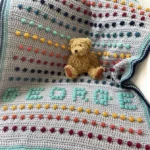
Example three: You’re crocheting a keepsake with a name or central motif. Plan the motif area before selecting the outer dimensions. If you need ideas for personalization, browse these baby blanket name ideas, then leave enough plain space around the lettering for a readable border.
Frequently asked questions
What is the best crochet size for a baby blanket?
A square around 30–36 inches is a practical planning example for a general supervised-use blanket, but there is no universal best size. Choose based on the intended routine, then measure the completed piece. Next action: write down the use before choosing stitches.
Should a baby blanket be square or rectangular?
Either shape can work for supervised use. Choose square for balanced motifs and easy folding; choose rectangular when you want more length than width. Next action: sketch the shape with its finished border included.
Why is my crochet blanket larger than the pattern?
Your stitch gauge may be looser, or the border may add more width than expected. Measure a gauge swatch and compare the center fabric, not only the edge. Next action: check gauge before continuing.
Does the border count in baby blanket measurements?
It should count if you are recording the finished dimensions. Decide at the start whether your target applies to the center panel or the complete blanket. Next action: label your notes “panel” or “finished.”
Can a crocheted baby blanket be used for infant sleep?
Don’t assume that a handmade blanket is suitable as loose bedding for an unattended infant. Keep it separate from supervised awake use and follow current safe-sleep guidance. Next action: confirm the intended setting before giving or using it.
How do I know when to stop using a crocheted blanket?
Stop using it when you find loose strands, detached decorations, damaged joins, or stretched openings that can’t be securely repaired. Next action: inspect the whole blanket before its next use.
Final thoughts
The best baby blanket crochet size guide starts with purpose, confirms dimensions with a gauge swatch, and ends with a careful fabric and safety check. Choose the shape that suits the routine, count the border in the final measurement, and keep supervised use separate from infant sleep.