Baby quilts and memory blankets are fabric keepsakes made for comfort, display, or preserving meaningful clothing and textiles. Check construction, loose parts, laundering needs, and the child’s use setting before giving one to a baby.
Baby Quilts & Memory Blankets can carry more than warmth. A quilt may mark a birth, preserve outgrown clothing, or gather small pieces of family history into one useful textile. The important question is not only how attractive the blanket looks, but also how it was made, where it will be used, and how its fabrics should be handled.
This guide explains the difference between everyday baby quilts and memory blankets, how to inspect them, how to clean them carefully, and how to decide whether a blanket belongs in supervised use, display, or long-term storage.
Baby quilts
Memory blankets
Textile keepsakes
What Are Baby Quilts and Memory Blankets?
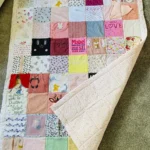
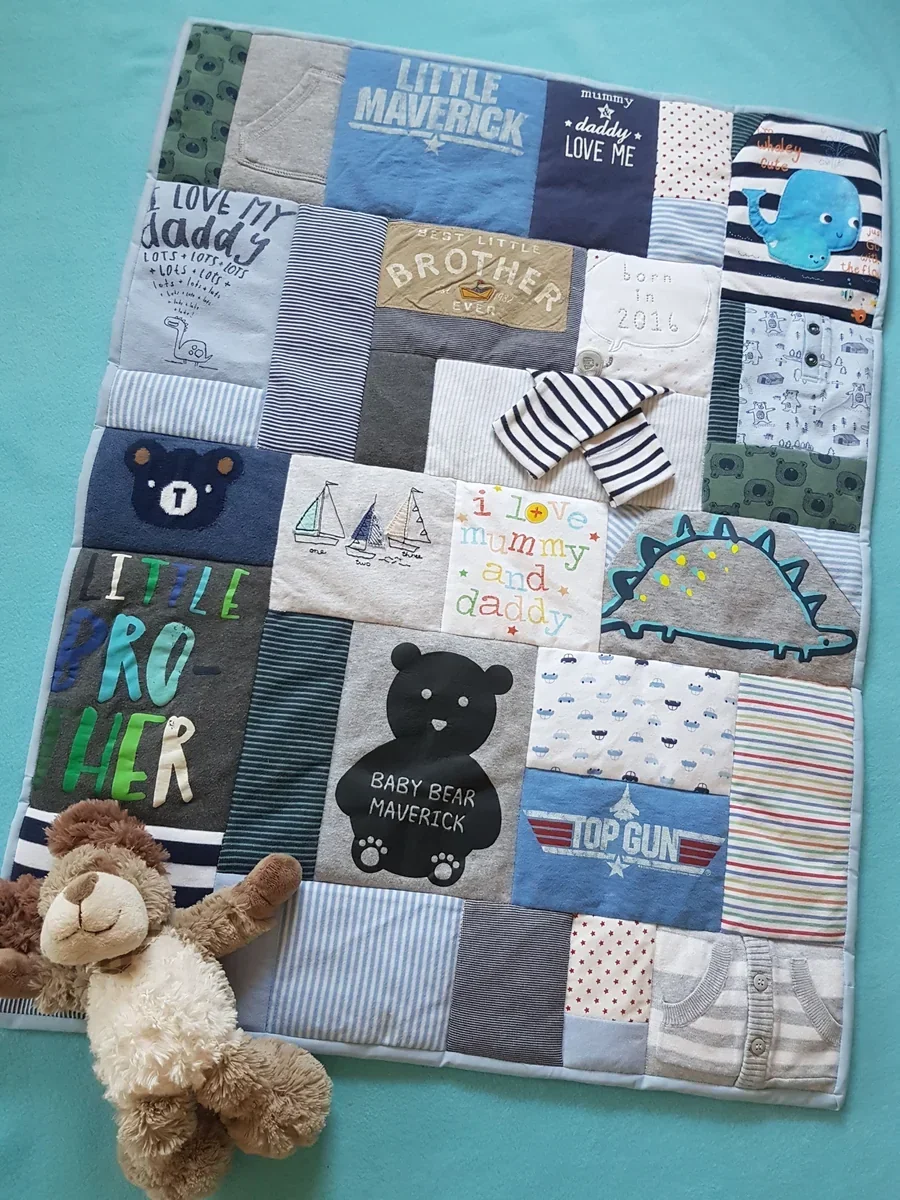
Baby quilts are layered fabric coverings usually made with a top, a soft middle layer, and a backing. They may be pieced from squares, made from one fabric, or finished with stitched lines that hold the layers together. A memory blanket is defined more by its purpose: it preserves meaningful textiles such as baby clothes, receiving blankets, school shirts, or family garments.
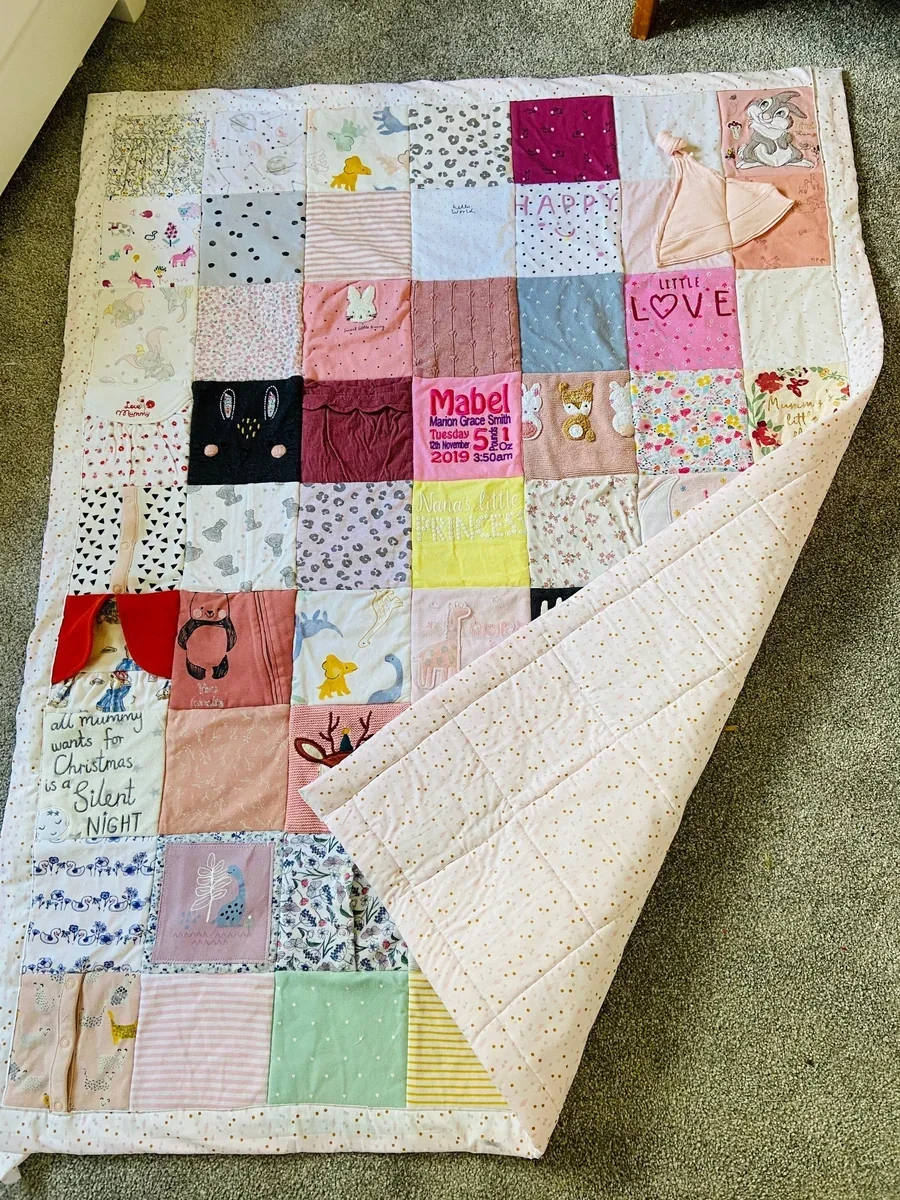
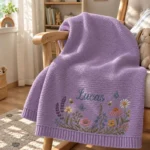
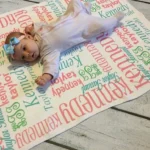
These categories can overlap. A quilt made from a child’s first outfits is both a quilt and a memory blanket. A fleece blanket printed with a child’s name may be a keepsake, but it is not necessarily a quilt because it may not have separate stitched layers.
The best first step is to identify the blanket’s role. A washable cotton quilt used during supervised floor play has different care and safety questions from a fragile blanket made from old garments that is mainly displayed. Treating every sentimental blanket as ordinary bedding can lead to avoidable fading, stretching, or damage.
Soft, intact fabric for supervised awake use.
Meaningful clothing or textiles preserved in a new form.
A fragile or sentimental piece protected from daily wear.
Materials and Construction to Check
Start with the fabric, then examine the layers. Natural and synthetic textiles can respond differently to water, heat, friction, and sunlight. A memory blanket may also combine fabrics of different ages and weights. That mix can make one washing method unsuitable for the whole item.
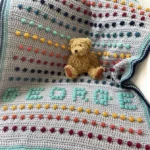
Look closely at seams, binding, quilting stitches, appliqués, embroidery, snaps, buttons, ribbons, and decorative patches. A loose thread is not automatically dangerous, but it is a sign that the blanket needs repair or should be kept away from active use until the issue is addressed. Small attached pieces deserve extra attention around babies and young children.
A decorative name, ribbon, button, or appliqué does not prove that a blanket is suitable for infant sleep. Keep sleep decisions separate from the blanket’s sentimental value, and follow current safe-sleep guidance for your setting. For a related age question, see this guide to when a baby can have a blanket.
How to Clean and Care for Them
Clean a baby quilt or memory blanket according to its weakest or most delicate component, not merely its toughest fabric. Before washing, photograph the blanket, read its label if present, and inspect for color transfer, loose seams, or fragile areas. If the materials are unknown or historically valuable, gentle professional textile advice may be more appropriate than trial-and-error washing.
Document the condition. Photograph stains, labels, patches, and any loose stitching. This gives you a reference if the shape or color changes.
Check for color movement. A hidden-area test can reveal whether dye transfers when damp. Do not continue if colors bleed noticeably or fabric becomes weak.
Choose the least stressful method. Follow the care label when available. Avoid heat or aggressive agitation when shrinkage, fading, or distortion is a concern.
Dry fully before storage or use. Damp layers can develop odor and encourage deterioration. Support the quilt rather than pulling one corner while it is wet.
For everyday spills, blot rather than scrub. Rubbing can spread a stain and stress the surface fibers. A memory blanket made from old clothing may have weakened areas that look fine when dry but tear when wet. When the blanket has strong sentimental value, preservation is often more important than making every mark disappear.
If a blanket contains fabrics with different care labels, treat that conflict as a warning. Separate display from daily use, or ask a textile-care professional before attempting a full wash.
Storage and Preservation Checks
Store a memory blanket clean, completely dry, and protected from crushing, moisture, pests, and strong light. Folding it tightly in the same lines for years can create permanent stress, especially where the quilt has thick seams or heavy decorations.
Use breathable protection rather than sealing an uncertainly dry textile in a way that traps moisture. Keep the blanket away from areas with leaks, temperature swings, or direct sunlight. If the item is folded, refold it occasionally along different lines when practical. A display piece should also be checked periodically for fading, dust, loose threads, and changes in odor.
For supervised use
Check the surface before each use. Look for loose threads, detached decorations, rough edges, dampness, or damage that could worsen when handled.
For long-term keeping
Use clean hands, reduce light exposure, support the whole textile when moving it, and keep notes about its story and original materials.
Choosing the Right Use Setting
The same blanket can be appropriate in one setting and unsuitable in another. Use supervised awake time, transport, and infant sleep as separate decisions. A caregiver may place a quilt on the floor for a supervised activity, use it as a photo background, or preserve it in a memory box. None of those examples automatically makes it suitable for unattended sleep.
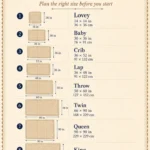
Size also matters for practical handling. A blanket should not create excess fabric around a moving baby, and it should not be used to cover equipment unless the equipment instructions specifically allow it. For general measurement language, compare the blanket’s actual dimensions with a baby blanket measurement chart, but do not treat a size label as proof of safe use.
Common Problems and Practical Fixes
Most problems become easier to manage when you stop using the blanket temporarily and identify the cause. Do not pull at a loose thread to remove it, and do not cut a structural seam without knowing what holds the layers together. A quick repair can sometimes prevent a small opening from spreading, but fragile or historically important pieces may need professional textile repair.
Fading often comes from light exposure, while distortion can follow uneven shrinkage or pulling. Odor may indicate trapped moisture, but fragrance alone does not solve the underlying problem. Air the textile in a clean, dry area when appropriate, and investigate dampness before placing it back into storage.
Do not judge a memory blanket by appearance alone. A clean-looking quilt can still have weak stitching, unstable dyes, or decorations that loosen during handling.
Making the Keepsake More Meaningful
A memory blanket becomes easier to understand years later when its story is recorded. Add a separate note with the child’s name, the dates or occasions connected to the fabrics, who made it, and any care limits. Avoid writing directly on a valuable textile unless the method is known to be appropriate.
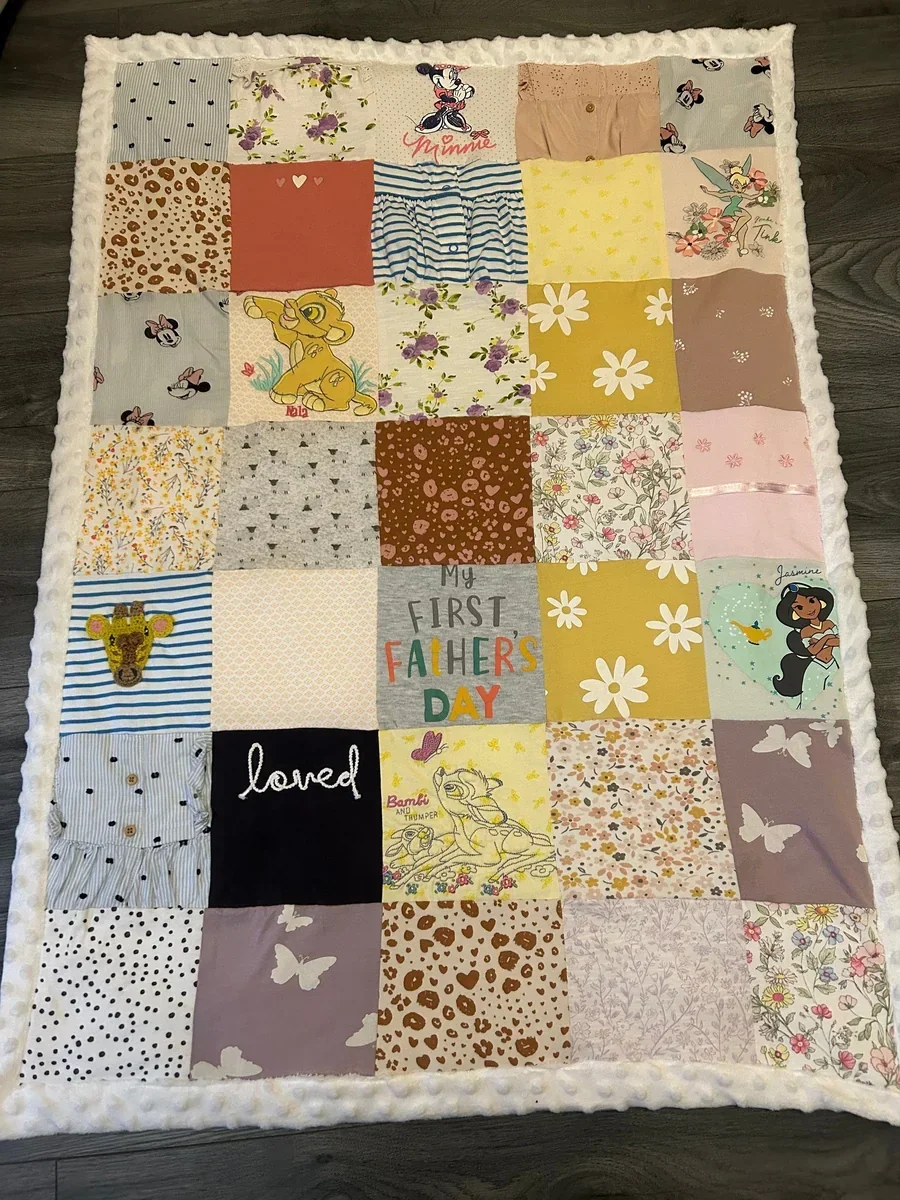
You can also record which squares came from which garments. This helps family members recognize the source of a small patch and prevents the blanket’s history from becoming vague. If you are planning a label or title, these baby blanket name ideas may help inspire a personal, non-permanent note for the storage record.
Frequently Asked Questions
Are baby quilts and memory blankets the same thing?
Not always. A baby quilt describes construction or use, while a memory blanket describes the purpose of preserving meaningful textiles. Next, check whether the blanket has layered quilting and sentimental fabric.
Can a memory blanket be washed?
Sometimes, but the correct method depends on the fabrics, stitching, dyes, and decorations. Read care information and stop if the textile is fragile or colors bleed. Next, photograph and inspect it before cleaning.
Are baby quilts safe for infant sleep?
Do not assume they are. Infant sleep requires separate safe-sleep guidance, and softness or a small size does not establish suitability. Next, review current guidance for your baby’s sleep space.
How should a memory blanket be stored?
Store it clean and fully dry, protected from strong light, moisture, pests, and crushing. Next, inspect the storage area and refold the textile differently when practical.
When should a baby quilt stop being used?
Stop active use when seams open, threads become accessible, decorations loosen, fabric weakens, or moisture damage appears. Next, move it to display or repair until the condition is assessed.
Final Thoughts
Baby Quilts & Memory Blankets are both practical textiles and family records. Identify the intended use, inspect the construction, clean conservatively, and store sentimental pieces with care. A simple condition check before each use can protect both the child and the keepsake.