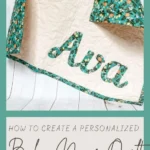
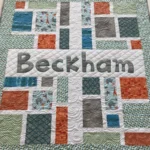
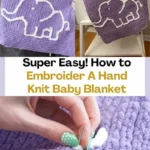
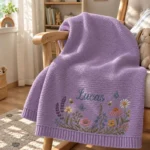
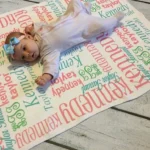
Quick Answer: To put a name on a baby quilt, choose the lettering and placement, mark the fabric, then add the name with embroidery, appliqué, fabric paint, or heat-transfer lettering. Test the method first, secure every edge, and wash according to the quilt’s fabric and embellishment.
A named baby quilt can become a keepsake, a welcome gift, or a useful way to distinguish one blanket from another. The best method depends on the quilt’s construction, the name’s length, the desired look, and whether the quilt will be handled often. This guide explains how to put a name on a baby quilt without guessing about materials or rushing the finishing work.
Name placement
Quilt care
Prepare the Baby Quilt Before Adding the Name
Start with a clean, dry, fully finished quilt and decide whether the name will be decorative, identifying, or both. A quilt that has not been washed or pressed may change slightly after its first laundering. That movement can affect straight lines, spacing, and the position of a name.
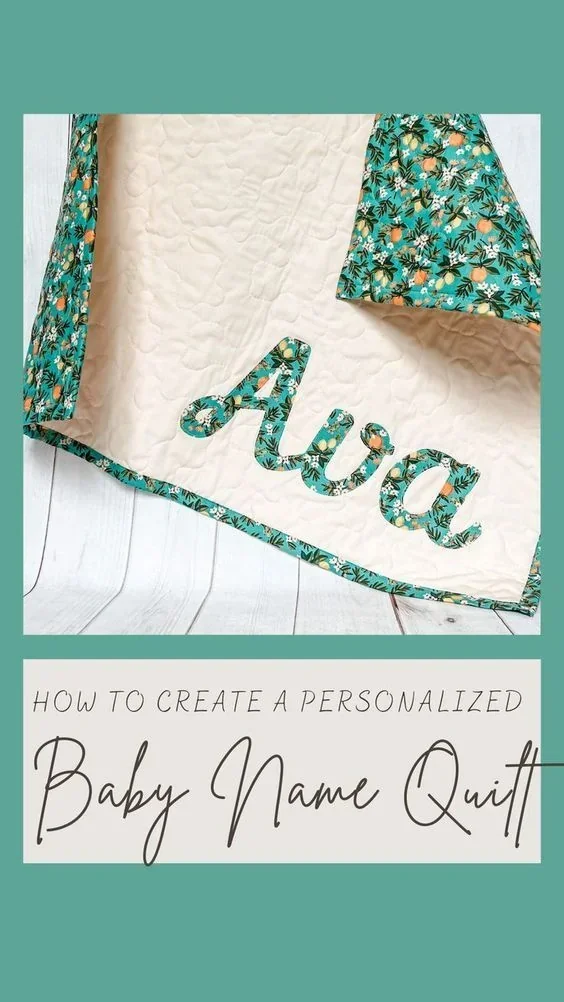
Check the quilt top, batting, backing, and binding before marking it. Avoid placing lettering across a thick seam, a raised appliqué, a heavily quilted line, or a weak area of fabric. A smoother patch or open block usually gives a beginner more control. If the quilt has a directional design, turn it as the recipient will normally see it before choosing the top and bottom.
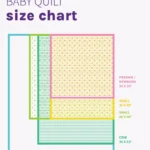
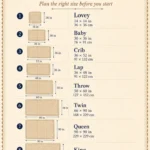
Measure the available area rather than choosing letters first. A short name may fit comfortably in one line, while a longer name may need smaller lettering, two lines, or a separate label on the back. For general planning, the baby blanket measurement chart can help you think about the quilt’s overall proportions before deciding how large the name should appear.
The placement path
Lay the quilt flat and identify the most visible open area.
Reserve space for the full name, margins, and any border.
Use temporary guides before applying permanent lettering.
Check the method on a fabric scrap or hidden area first.
Choose a Name-Adding Method
The simplest choice depends on your skill, the quilt fabric, and how permanent you want the lettering to be. Embroidery creates a stitched keepsake, appliqué adds a bold fabric shape, and fabric paint can work when the surface is smooth and the paint is intended for textiles. A sewn label offers another option when you want the name kept away from the main quilt design.
There is no single best method for every baby quilt. A stretchy knit, textured minky-like surface, loosely woven fabric, or heavily quilted panel may make neat lettering harder. Read the care directions for any marking medium, adhesive, or paint you use. If the instructions are missing, test for bleeding, stiffness, peeling, and color transfer before continuing.
Helpful planning note
If the name is not finalized, wait before making permanent marks. You can gather ideas in this guide to baby blanket name ideas, then confirm spelling, capitalization, and whether a middle name or date belongs on the quilt.
How to Put a Name on a Baby Quilt Step by Step
Use a temporary layout before making the first permanent stitch or mark. This prevents the most common problem: a name that is centered on one block but looks off-center on the quilt as a whole.
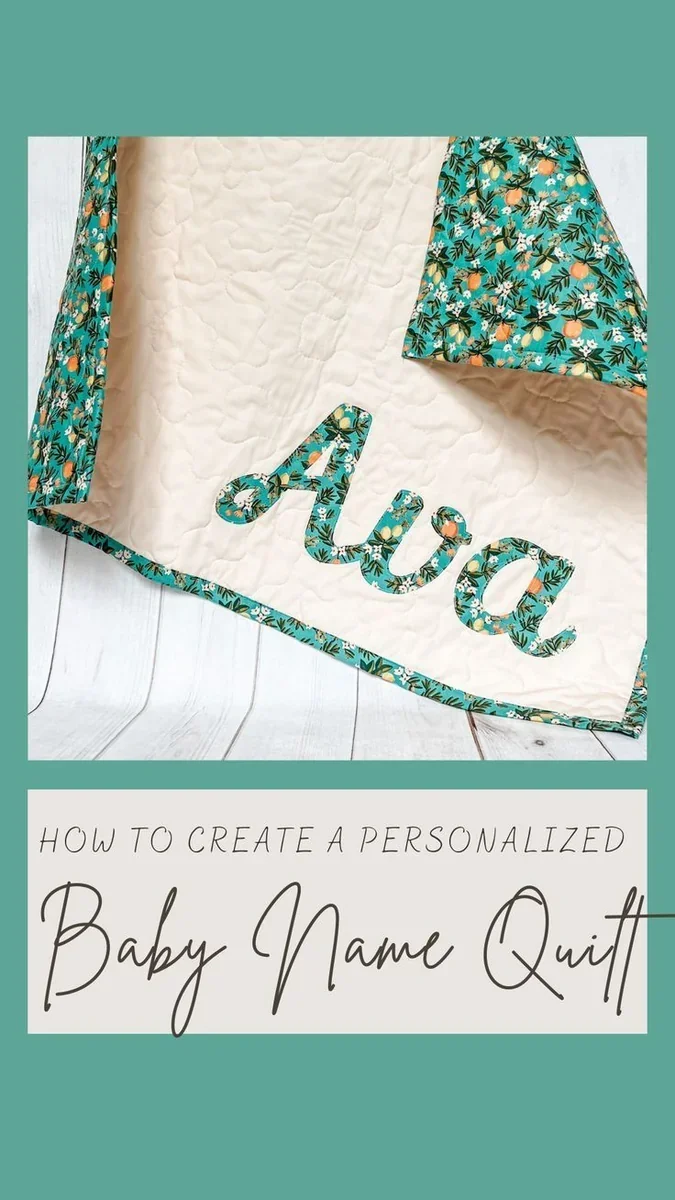
Confirm the exact text.
Write the name exactly as it should appear. Decide whether to use uppercase, lowercase, a nickname, a middle name, or a date. Ask another adult to check it if the quilt is a gift.
Create a paper layout.
Print or handwrite the name at the approximate size. Move the paper around the quilt and view it from a short distance. Leave a clear margin from seams, binding, and edges.
Transfer the guide lightly.
Use a temporary fabric-marking method suitable for the quilt fabric. Avoid pressing hard or using a permanent pen unless the method specifically calls for it.
Apply the lettering slowly.
For embroidery, keep the thread tension even. For appliqué, position every letter before securing it. For paint, use light layers instead of flooding the fabric.
Secure and finish the back.
Trim loose threads, check that no edge lifts, and inspect the reverse side for knots or rough areas. The back should be as tidy and comfortable as the front.
Check Safety, Comfort, and Durability
For a quilt intended for a baby, inspect the finished name before use and after laundering. Loose thread, lifting fabric, peeling paint, or a stiff patch can become a problem during handling. The name should remain flat, secure, and free of detachable pieces.
Safety Note
A personalized quilt is not automatically suitable for infant sleep. Follow current safe-sleep guidance and the caregiver’s instructions for where and when the quilt may be used. If the quilt is used around a baby, supervise its condition and keep loose embellishments, detachable decorations, and long unsecured threads out of reach.
Placement matters for comfort as well as appearance. Avoid thick embroidery knots, bulky appliqué joins, scratchy backing, or hard raised details in an area that may touch a baby’s face or skin. If the name creates a rough patch, place it on a border or separate label instead. For a broader discussion of blanket timing and use, see when a baby can have a blanket.
Wash and Maintain the Named Quilt
Care for the quilt according to its most delicate component, not just the base fabric. Thread, paint, adhesive, batting, backing, and label material may respond differently to water, heat, and friction. Follow any care instructions that came with the quilt or the materials used.
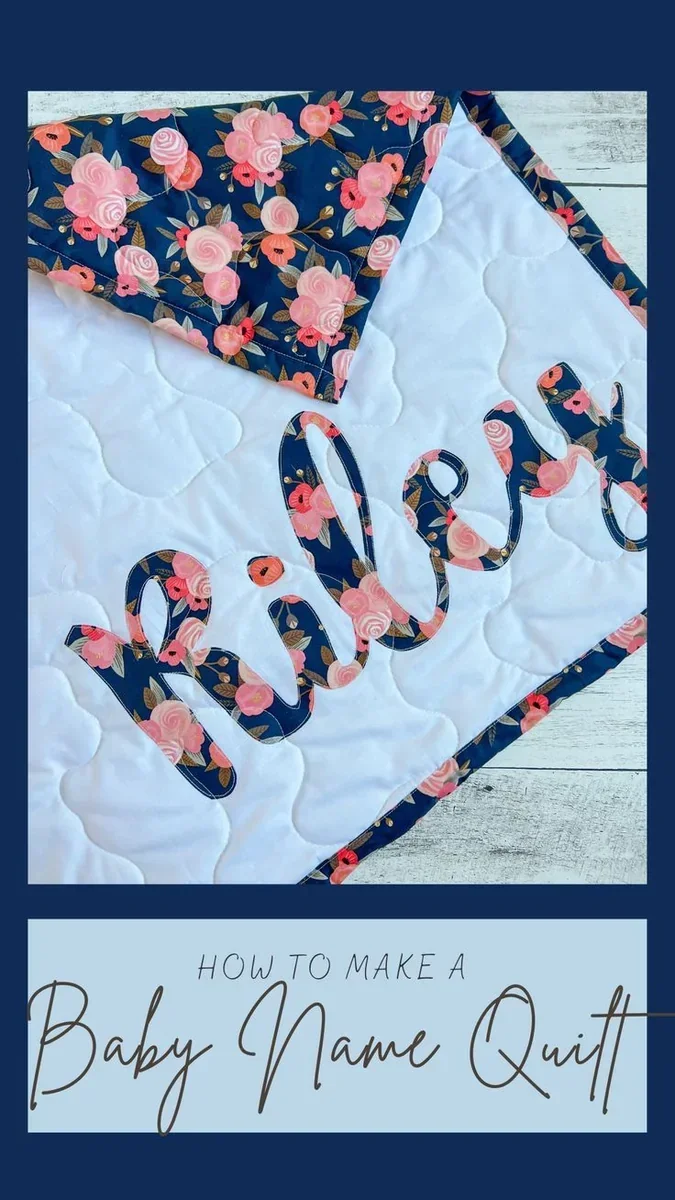
Before the first wash, inspect the lettering and test for color transfer if you have a fabric scrap. Turn the quilt according to its construction only when that will not strain attached details. Avoid treating a loose letter as a minor cosmetic issue; repair it before laundering so movement does not worsen the damage.
Before washing
Check for loose stitches, peeling corners, bleeding color, and any roughness on the reverse side. Repair first if needed.
After washing
Lay the quilt flat or use the care method that suits its construction. Check that the name remains attached, readable, and comfortable.
Common Mistakes to Avoid
The most frequent mistake is starting with permanent lettering before checking scale. A name may look attractive on paper but become crowded beside the quilt’s blocks. Another mistake is placing it too close to the binding, where later handling can distort the edge or hide part of a letter.
Do not assume that a method suitable for one fabric will work on another. A smooth cotton panel and a thick textured surface can react very differently. Skip any technique that makes the quilt stiff, leaves a strong odor, bleeds during testing, or produces a detachable decoration.
Beginner rule
When in doubt, use a separate, flat name label on a stable area rather than forcing lettering onto a seam, stretch panel, or textured section. A simpler design is easier to inspect and maintain.
Final Checklist Before the Quilt Is Finished
Lay the quilt flat one last time and view the name from both sides. Confirm the spelling, alignment, contrast, attachment, and comfort of the finished area. Then check whether the care method still suits the added lettering.
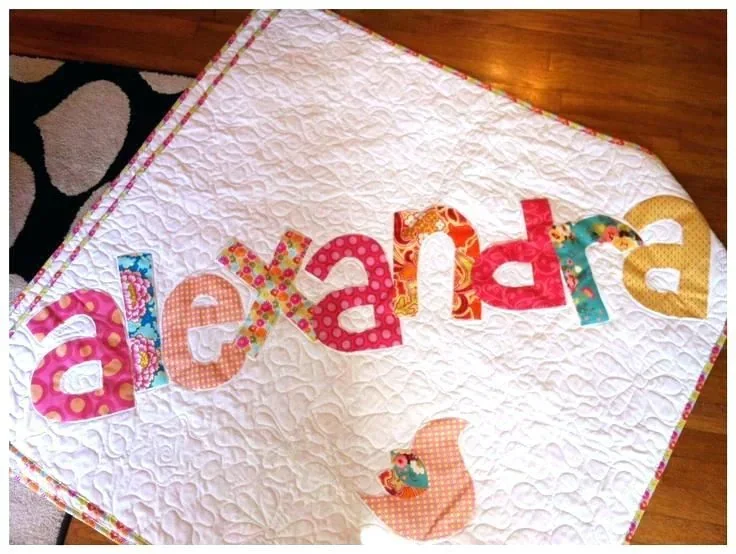
- The name is spelled and capitalized correctly.
- The lettering is balanced within the quilt’s design.
- Edges, stitches, and corners are secure.
- The reverse side has no loose or scratchy details.
- The finished quilt has been checked for color transfer and care needs.
- Its use around a baby follows appropriate supervision and safe-sleep practices.
Frequently Asked Questions
What is the easiest way to put a name on a baby quilt?
A sewn label or simple embroidery is often easiest for a beginner because you can plan the name separately and inspect the attachment. First test the method on a fabric scrap.
Where should a name go on a baby quilt?
Place it in a stable, visible area with space around every letter. Avoid seams, binding, thick quilting, and sections that may touch a baby’s face.
Can I use fabric paint on a baby quilt?
You can consider fabric paint when the surface is smooth and the paint is made for textiles, but test flexibility, colorfastness, and wash care before applying it to the quilt.
How large should the name be on a baby quilt?
Make the lettering large enough to read while leaving a clear margin around it. Use a paper mock-up to compare the name with the quilt’s blocks before marking the fabric.
Is a personalized baby quilt safe for infant sleep?
Personalization does not determine sleep safety. Follow current safe-sleep guidance, inspect for loose parts, and use the quilt only in an appropriate, supervised context.
What should I do if the name starts to come loose?
Stop using the quilt around the baby, trim or secure the loose area, and inspect the surrounding lettering before washing or using it again.
Final Thoughts
The reliable way to put a name on a baby quilt is to plan the layout, test the lettering method, apply it to a stable area, and inspect the finished work carefully. Take a final look at spelling, security, comfort, care, and intended use before calling the quilt complete.