A practical baby quilt often measures about 36 by 45 inches, but the best size depends on whether it is for supervised floor time, a stroller, a crib display, or another use. Measure the intended space first, then allow enough fabric for quilting and washing changes.
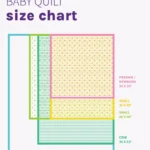
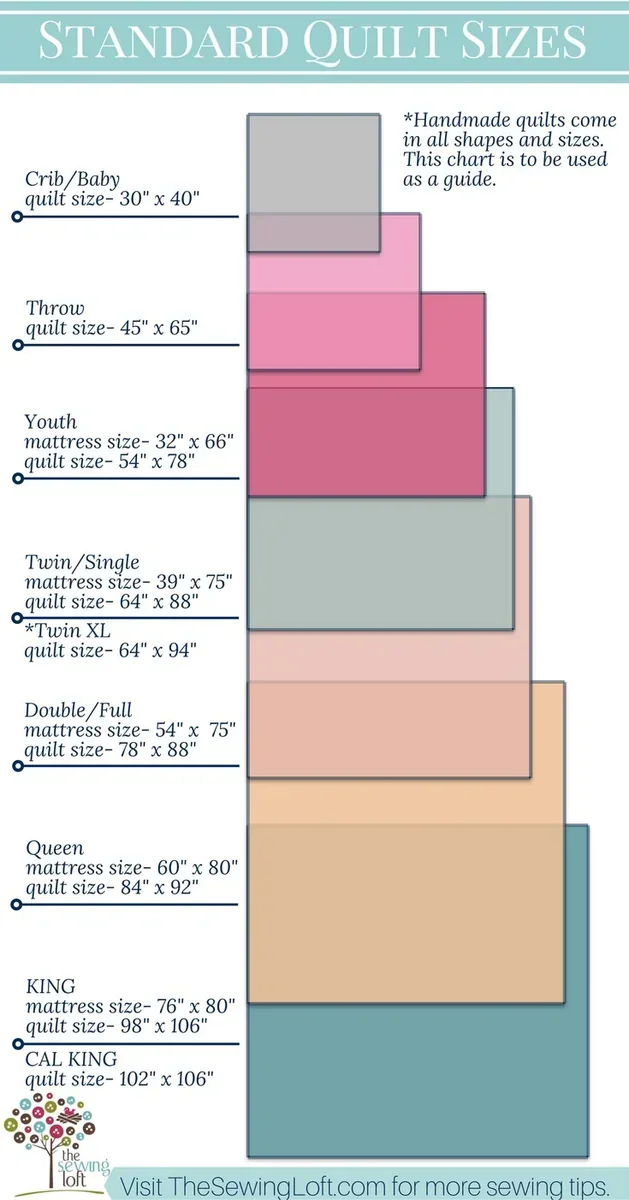
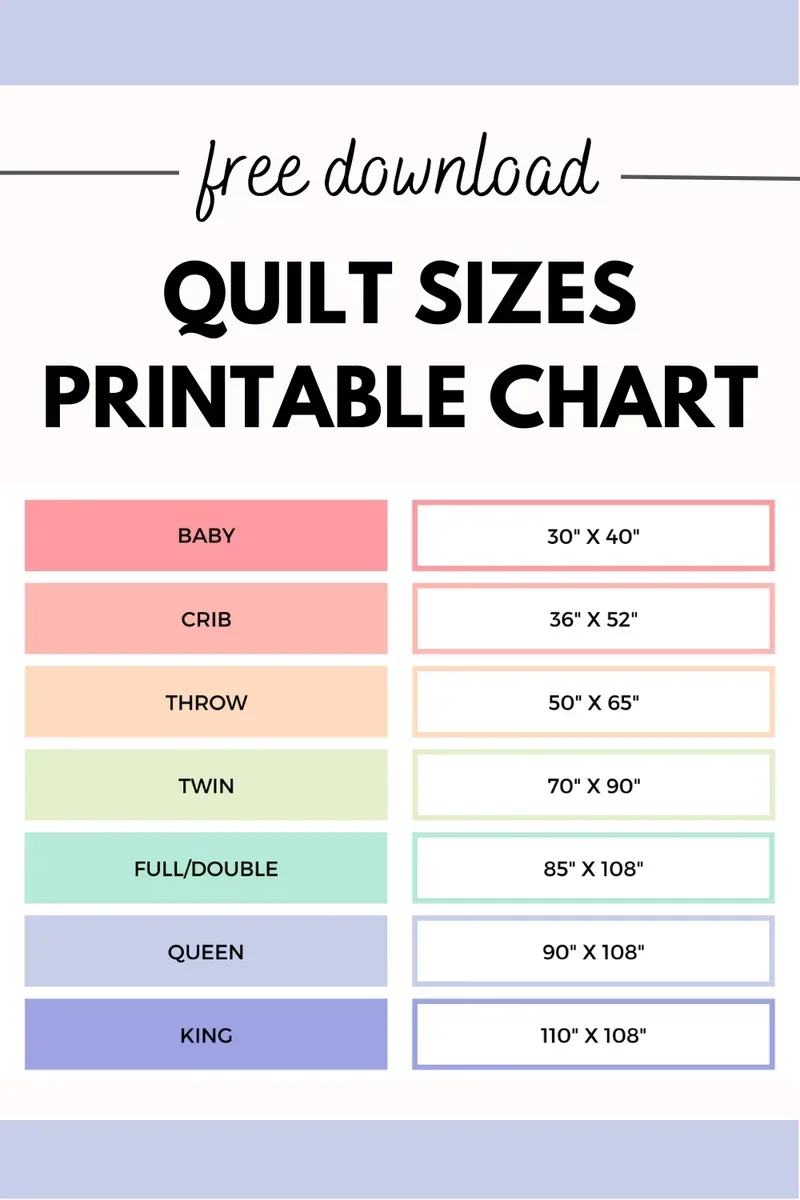
Choosing a baby quilt size sounds simple until you consider the baby’s age, the intended setting, the mattress or play surface, and whether the quilt is decorative or used during supervised awake time. This quilt size chart for baby quilt planning gives you a clear starting point without pretending that one measurement fits every situation.
The measurements below are planning ranges, not universal rules. A handmade quilt may finish slightly smaller than its cut size because seams, quilting, binding, and laundering can change the final result.
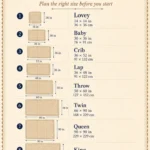
Baby quilt measurements
Supervised use
Fit and care checks
What a Baby Quilt Size Chart Actually Tells You
A baby quilt size chart is a planning guide, not a safety standard or a guarantee of fit. It compares approximate finished dimensions with common uses, such as tummy-time padding, a decorative crib layer, or a supervised stroller cover. The same quilt can work well in one setting and be awkward in another.
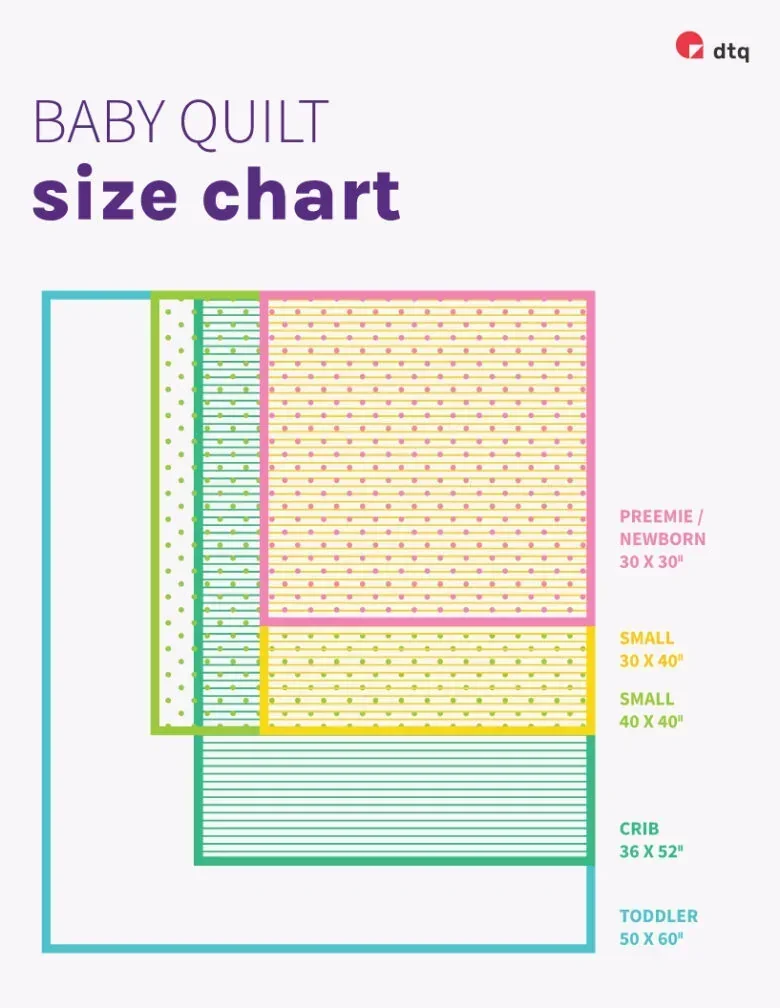
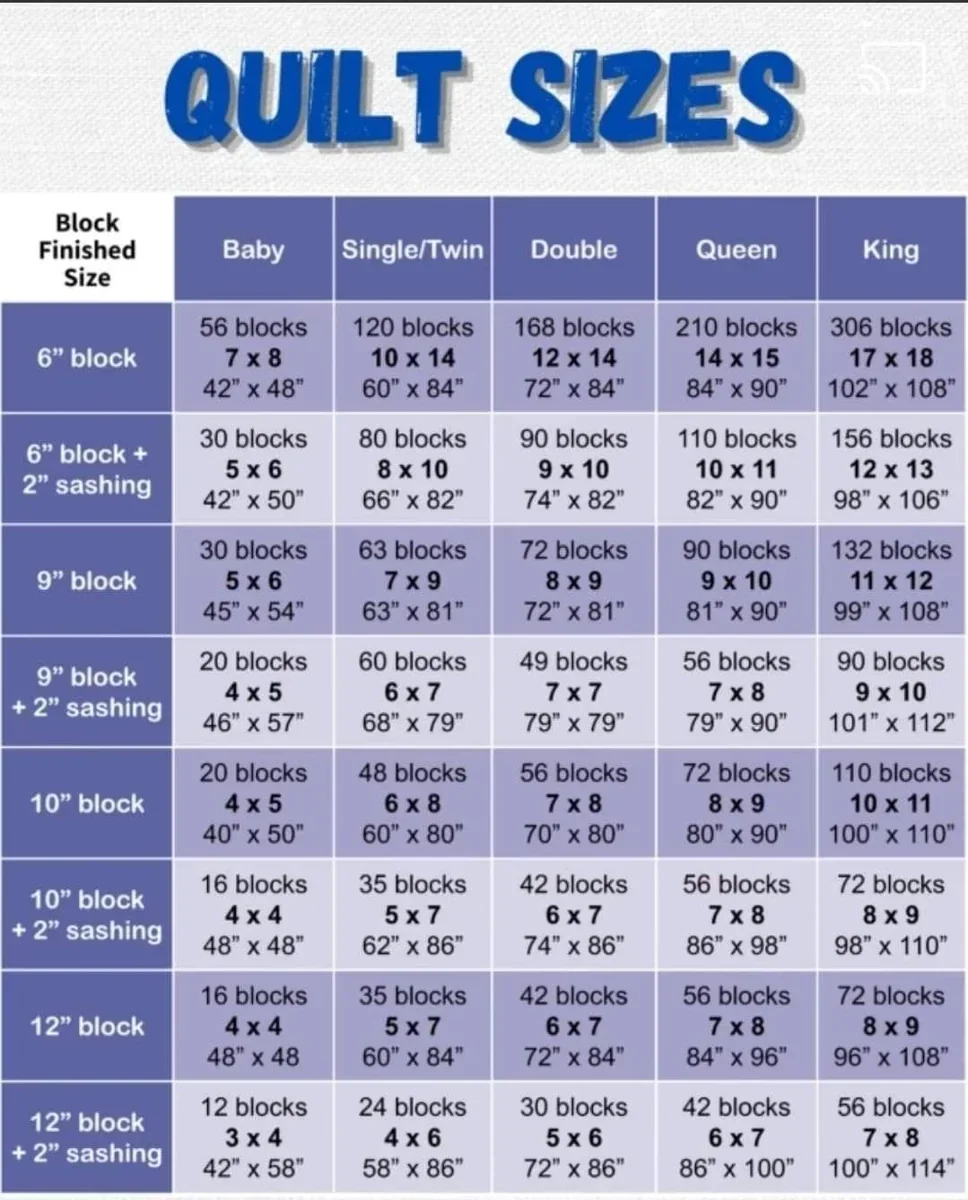
Start with the finished size you want to hold in your hands. Then work backward to account for seam allowances, quilting, and binding. For example, if your target is 36 by 45 inches, the fabric pieces may need to be larger than that final measurement. The exact adjustment depends on the construction method.
Before cutting, write down three details: the intended use, the available surface, and the finished size. This prevents a common mistake—copying a measurement from a chart without checking whether the quilt needs to lie flat, tuck under anything, or fold into a small carrying size.
For a broader comparison with non-quilted blankets, see this baby blanket measurement chart. Blanket and quilt dimensions can overlap, but their construction, thickness, and intended use may differ.
Choose the Size by Intended Use
The intended use should decide the quilt’s dimensions before the pattern does. A quilt for supervised floor play needs enough room for the baby’s position and nearby caregiver space. A decorative quilt may be chosen for visual proportion instead. A stroller or travel quilt usually benefits from a smaller, easier-to-fold shape.
Do not treat a baby quilt as automatically suitable for unsupervised infant sleep. The word “baby” describes the audience, not the safety conditions. For sleep questions, review current safe-sleep guidance and keep decorative or loose quilts out of the infant’s sleep space unless qualified guidance specifically addresses the situation. You can also read more about when a baby can have a blanket.
Floor, stroller, display, or another supervised area.
Check length, width, edges, and folding room.
Account for seams, quilting, binding, and washing.
Floor play and supervised awake use
A mid-range rectangle, such as 36 by 45 inches, is a practical starting point for many supervised awake activities. It gives a caregiver a defined surface without being as bulky as a larger quilt. The right choice still depends on the floor area and whether other safe play items must share that space.
Decorative crib or nursery use
A quilt displayed on a crib, wall, chair, or nursery surface should be measured against that surface rather than against the baby’s age. If it is placed near an infant sleep space, follow current safe-sleep guidance and remove loose bedding before sleep. Decorative placement and sleep use are separate decisions.
Travel and stroller use
A smaller quilt may fold more easily, but folding convenience does not make it appropriate for every restraint or transport setup. Never allow a quilt to interfere with harnesses, buckles, ventilation, or the manufacturer’s instructions for a stroller or carrier. When the equipment instructions are unclear, leave the quilt out of that setup.
How to Measure and Plan a Baby Quilt
Measure the space first, then calculate the quilt’s finished dimensions. This order matters because a pattern may be attractive but poorly suited to the surface where you plan to use it.
Define the job. Write “supervised floor use,” “display,” or another precise purpose. Avoid using one vague label such as “baby blanket.”
Measure the destination. Use a tape measure for the usable length and width. Include nearby edges, furniture, and the space needed to fold or store the quilt.
Select a finished size. Compare the measured area with the chart. Choose a smaller size if it would bunch, hang into a walkway, or become difficult to supervise.
Plan construction changes. Add the required amount for seams, quilting, and binding according to your pattern or method. The cut size is not the finished size.
A finished quilt can be slightly different from the original plan. Re-measure after quilting and binding instead of assuming the cut dimensions stayed unchanged.
Fit, Safety, and Comfort Checks
A correct measurement is only one part of a suitable baby quilt. Check the quilt’s edges, thickness, weight, surface condition, and location each time it is used. These checks matter because a quilt may shift, bunch, or become uncomfortable even when its dimensions look right.
Surface check
Lay the quilt flat and look for bunching, curling corners, loose threads, or openings in the seams. Stop using it until a damaged area is repaired.
Location check
Keep supervised use separate from infant sleep. Do not place a loose quilt where it can cover a sleeping baby’s face or body.
Fit check
Make sure the quilt does not obstruct harnesses, wheels, ventilation, or equipment controls when used near transport gear.
A baby quilt is not automatically a safe sleep item. Use it only in a setting appropriate to its purpose, supervise awake use, and follow current safe-sleep guidance for sleep spaces.
Washing, Storage, and Rechecking the Size
Care instructions should match the quilt’s materials and construction. Read the care information supplied with the fabric or pattern, and test a small area when the materials are unfamiliar. Heat, moisture, and agitation can affect fabric, batting, stitching, and shape.
After washing, lay the quilt flat or use the method appropriate for its construction. Do not pull it aggressively into its old dimensions. Once dry, check the finished length and width again, then inspect seams, binding, quilting lines, and any decorative details.
Store the quilt clean and fully dry. A breathable folded storage area helps you notice moisture or damage sooner than a tightly compressed, forgotten bundle. If the quilt becomes damp, stained, torn, or heavily worn, pause use until it has been cleaned or repaired appropriately.
Common Size Mistakes to Avoid
The most common mistake is choosing a number before choosing a use. A larger quilt is not always better. Extra material can create storage problems, bunching, or interference with nearby equipment. A smaller quilt may be easier to supervise, but it may not cover the intended surface.
Another mistake is confusing a mattress measurement, a cut measurement, and a finished measurement. Keep those numbers in separate notes. If the pattern includes a border, binding, or shrinkage allowance, include those details before cutting.
For a hypothetical example, imagine a caregiver wants a quilt for a 34-inch-wide supervised play area. A 40-inch-wide finished quilt may provide extra coverage, but it could also extend into a walkway. The better choice depends on the surrounding space, not simply on the larger number.
Use masking tape on the floor to outline the proposed finished size. This quick visual check shows whether the quilt will crowd furniture, block a path, or leave too little usable surface.
A Beginner’s Final Planning Checklist
Before cutting fabric, confirm the use, finished size, safety setting, and care method. These four checks catch most avoidable problems.
- Have you measured the actual surface rather than guessing?
- Are you recording the finished dimensions, not only the cut dimensions?
- Is the quilt intended for supervised awake use, display, or another clearly defined purpose?
- Will the quilt remain clear of harnesses, controls, vents, and walkways?
- Can you wash, dry, inspect, and store it according to its materials?
If the quilt is meant to become a comfort object later, remember that a security blanket for babies is a separate topic from choosing a quilt’s finished dimensions. Comfort use, sleep use, and supervised play should not be treated as interchangeable.
Frequently Asked Questions
What is a common finished size for a baby quilt?
A common planning range is about 36 by 45 inches, although smaller or larger sizes may suit different uses. Measure your intended surface before choosing. Next, compare it with the chart above.
Is a baby quilt safe for infant sleep?
Not automatically. A loose quilt should not be treated as a universal infant sleep item. Keep sleep guidance separate from supervised awake use, and follow current safe-sleep recommendations. Check the intended setting before use.
What is the difference between cut size and finished quilt size?
Cut size is the measurement before construction. Finished size is the measurement after seams, quilting, borders, and binding. Use finished size when checking whether the quilt fits a surface.
Should a stroller quilt be the same size as a floor quilt?
No. A stroller quilt may need to be smaller and easier to fold, while a floor quilt may need broader coverage. Keep any quilt clear of harnesses, wheels, controls, and ventilation. Measure the equipment area first.
Can washing change a baby quilt’s size?
Yes, washing and drying can affect the finished shape or dimensions, depending on the materials and care method. Follow the relevant care instructions, then re-measure and inspect the quilt before using it again.
Final Thoughts
The best quilt size chart for baby quilt planning is a starting point, not a fixed rule. Choose the intended use, measure the space, confirm the finished dimensions, and keep supervised awake use separate from infant sleep. Before cutting, outline the proposed size on the floor and check the materials’ care needs.