The phrase baby quilt meaning usually refers to what a baby quilt is, how it differs from a general blanket, and what it represents in a family routine. A quilt may be made for warmth, decoration, a birth celebration, or long-term memory. Its meaning depends on how the family uses it, not simply on its name.
A thoughtful explanation also needs a practical boundary: a quilt can be appropriate for supervised awake time or as a decorative keepsake, while infant sleep requires separate safety decisions. This guide explains the construction, purpose, materials, care checks, and common misunderstandings in plain language.
Caregiver checks
Keepsake meaning
What does baby quilt mean?
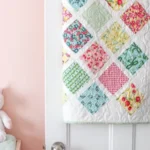
Baby quilt means a smaller quilt made for a baby’s space, routine, or keepsake collection. The word “quilt” describes the construction: usually, two fabric layers hold a filling layer between them, and stitching joins the layers together. The stitching may follow lines, squares, shapes, or another pattern.
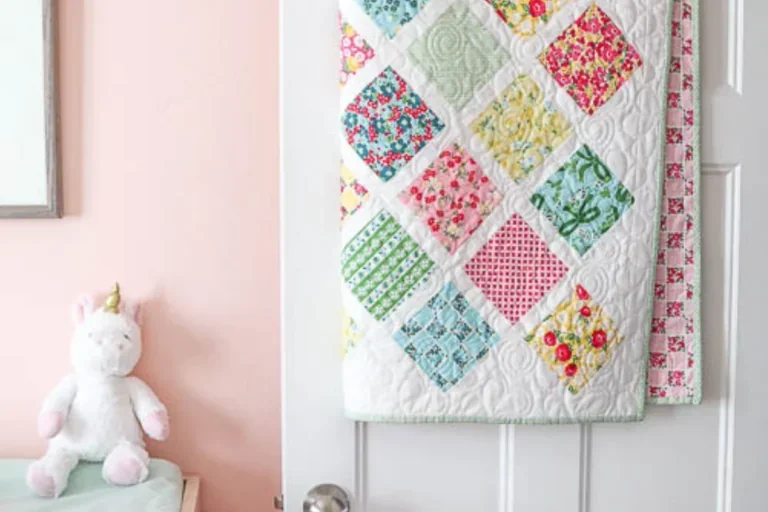
The word “baby” generally points to the quilt’s intended scale, appearance, or sentimental purpose. It does not, by itself, confirm a particular size, fabric, warmth level, age range, or sleep use. Two items called baby quilts can differ greatly in thickness, weight, stitching, and care instructions.
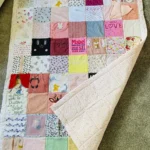
Families often connect quilts with comfort, welcome, creativity, and continuity. A quilt may include colors chosen for a nursery, fabric from family clothing, embroidered initials, or blocks made by several relatives. Those associations are interpretations rather than fixed dictionary meanings. The practical meaning comes from the quilt’s construction and the way a caregiver chooses to use it.
If someone says, “We made a baby quilt,” they may be describing a handmade textile, a welcome gift, or a family memory. If they say, “The baby quilt is in the crib,” that describes location, not proof that the quilt is suitable for infant sleep.
Why the meaning matters in daily baby care
The meaning matters because “quilt,” “blanket,” and “comforter” are sometimes used as if they were interchangeable. They can overlap in everyday conversation, but the labels do not answer every care question. Construction, thickness, loose parts, condition, and the planned setting matter more than the decorative name.
For example, a caregiver may spread a quilt on the floor during supervised awake play. In that situation, the adult can watch the baby and remove the textile if it bunches, sheds threads, or becomes damp. A different decision applies when the baby is unattended or sleeping. The quilt should not be treated as automatically safe just because it is small, handmade, or marketed for babies.
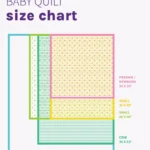
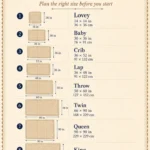
For a broader measurement reference, compare the dimensions and intended use described in a baby blanket measurement chart. A measurement chart can help you describe an item accurately, but dimensions alone cannot establish sleep suitability.
Symbolic meaning
A quilt can represent welcome, family effort, cultural creativity, memory, or a wish for comfort. These meanings come from the maker and family, not from a universal rule.
Practical meaning
A quilt is a layered textile with a particular condition, care need, and use setting. Check those details before placing it near a baby.
How a baby quilt is made
A traditional quilt has three functional layers: a top, an inner filling, and a backing. The top may use one piece of fabric or many joined pieces. The filling gives the quilt body. The backing covers the opposite side. Stitching holds the layers together and helps prevent the filling from shifting freely.
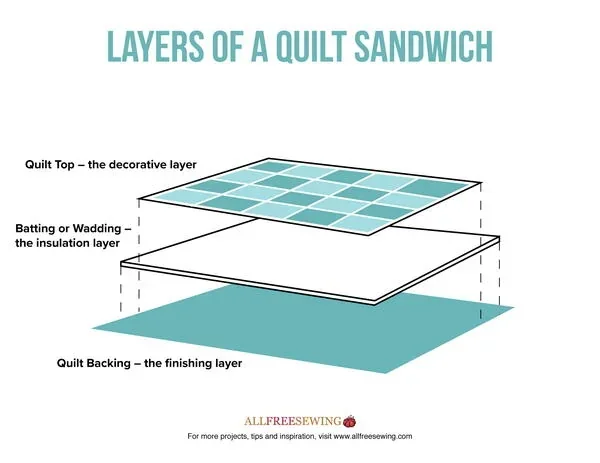
Not every item described casually as a baby quilt has the same three-layer structure. Some are thin decorative panels. Others may be padded textiles with edge binding, appliqué, embroidery, or attached labels. That is why a name on a tag should be treated as a starting description, not a complete technical specification.
The quilt structure at a glance
The visible design, which may be pieced, plain, printed, or decorated.
The inner layer that adds body; its material and thickness can vary.
The underside that completes the textile and touches the surface beneath it.
The joined pattern that helps secure the layers and gives the quilt its appearance.
Quilt versus blanket: a simple distinction
A blanket is a broad everyday term for a covering. A quilt is more specific because it usually refers to joined layers secured by stitching. The terms can overlap in conversation, but a thin single-layer cover may be a blanket without being a quilt. Conversely, a quilt can function as a cover while still having a distinct layered construction.
Can a baby quilt be used for sleep?
Not automatically. A baby quilt’s small size or soft appearance does not make it appropriate for unsupervised infant sleep. Keep decorative or loose bedding decisions separate from supervised awake use, travel, and sleep. For current U.S. safe-sleep guidance, review the CPSC safe sleep information rather than relying on the word “baby” in a product or gift description.
During supervised awake time, an adult can observe how the quilt behaves. Stop using it in that setting if it develops loose threads, detached decorations, damaged seams, or dampness. For sleep, follow current guidance for the baby’s age and sleep space. If you’re unsure whether a textile belongs in the sleep area, leave it out and check authoritative guidance.
Never infer sleep suitability from a quilt’s name, handmade status, thin appearance, or family tradition. The safest next step is to identify the setting first, then check current infant-sleep guidance for that setting.
How to check and care for a baby quilt
Begin with the intended use, then inspect the quilt before each new type of use. A keepsake stored in a chest has different needs from a quilt placed on a supervised play surface. The key is to notice changes early, because washing, folding, pets, storage, and repeated handling can affect seams and embellishments.
Identify the setting. Decide whether the quilt is for display, storage, supervised awake use, or another routine. Don’t combine these categories.
Inspect the surface. Look for unraveling edges, pulled threads, holes, loose buttons, beads, ribbons, or appliqué that has started to detach.
Read the care information. Follow the maker’s washing, drying, and temperature directions when they are available. Different fillings and fabrics can react differently to heat and agitation.
Dry it fully. Damp fabric can develop odor or mildew. Confirm that the whole quilt is dry before folding or returning it to storage.
Recheck after care. Look again at the binding, seams, stitching, and decorations. If damage appeared, keep the quilt away from the baby until it is repaired or reserved as a display item.
Common misunderstandings about baby quilts
The most common mistake is treating “baby” as a safety guarantee. The label may describe the intended audience, color scheme, or gift tradition, but it doesn’t prove that the item belongs in every baby-care setting. Always translate the label into a specific question: Where will it be used, who will supervise, and what condition is it in?
Another mistake is assuming that handmade means fragile or, conversely, that handmade means naturally safer. Craft quality varies. A carefully stitched quilt can still have a loose ribbon, while a simple commercial textile can still become worn after repeated washing. Inspect the actual item instead of judging it by origin.
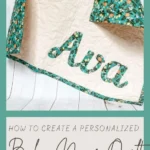
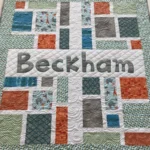
Families may also use a quilt as a naming or memory object. An embroidered name, date, or message can make the quilt meaningful, but personalization does not change its construction or care requirements. If you want ideas for wording or themes, see these baby blanket name ideas, then keep the practical safety check separate from the sentimental choice.
Keep the emotional meaning and the care decision in separate boxes in your mind. A quilt can be precious and still need repair, careful storage, or display-only use.
A beginner’s baby quilt checklist
When you first receive or uncover a baby quilt, use this short sequence. It prevents the most common mix-up: deciding where the quilt belongs before checking what it is.
Is it quilted, padded, embroidered, or simply a single-layer blanket?
Check seams, edges, filling, stitching, and every attached decoration.
Separate display, supervised awake use, transport, and infant sleep decisions.
Note who made it, what the colors or name represent, and how it should be preserved.
If you need to explain the quilt to another caregiver, use precise language: “This is a stitched keepsake for supervised use,” or “This is a display quilt.” Clear wording reduces the chance that a sentimental item will be moved into an unsuitable setting by mistake.
Frequently asked questions
What is the simple baby quilt meaning?
A baby quilt is a small, layered textile joined with stitching. It may be used for supervised awake time, decoration, or as a keepsake. Next, check its condition and intended setting.
Is a baby quilt the same as a baby blanket?
Not always. “Blanket” is a broad term for a covering, while “quilt” usually describes layered fabric secured with stitching. Inspect the actual construction rather than relying on the label.
Does a baby quilt belong in an infant’s sleep space?
Not automatically. A quilt’s name, size, or handmade appearance does not confirm sleep suitability. Check current safe-sleep guidance for the baby’s age and sleep setting before using it there.
What makes a quilt meaningful as a baby gift?
Its meaning may come from handmade effort, family fabric, colors, embroidery, a name, or a message. Those are personal associations, not universal meanings. Write down the story for future caregivers.
How can I tell if a baby quilt needs attention?
Look for loose threads, damaged seams, holes, detached decorations, dampness, or unusual odor. Remove it from baby use until it is properly cleaned or repaired.
What should I do first with a newly received baby quilt?
Identify its layers, inspect its condition, read any care information, and decide whether it is for display or supervised use. Keep it out of an infant sleep space unless current guidance supports that use.
Final thoughts
The baby quilt meaning combines structure, purpose, and personal memory. It usually describes a stitched, layered textile made for a baby’s environment, but the label alone cannot answer care or sleep questions. Start with the setting, inspect the quilt, follow its care information, and preserve the family story separately from the safety decision.