Crochet can make soft, flexible fabric for baby blankets, hats, clothing, toys, and small care accessories. But the word “crochet” describes how an item is made, not whether it is safe for every baby, age, or routine. Stitch size, yarn, shape, fasteners, fit, and supervision all matter.
Use this guide to understand crochet in a baby-care setting. It explains what to check before use, how to handle cleaning and storage, which features deserve extra attention, and why a handmade item should be assessed on its actual construction rather than its label.
Baby care
Safety checks
Cleaning and storage
What crochet means in baby care
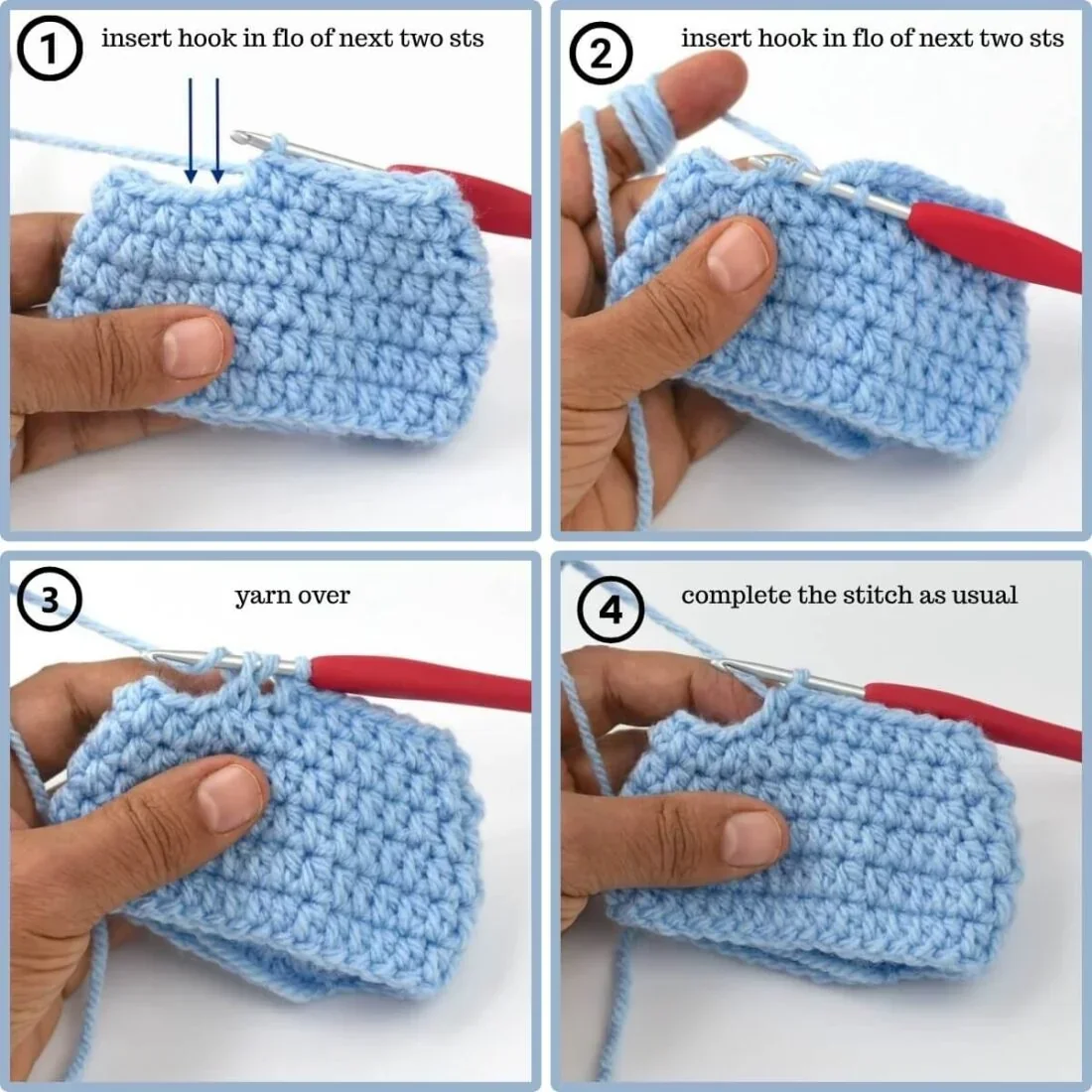
Crochet is a craft technique that creates fabric by pulling loops of yarn through other loops with a single hook. A finished piece may be dense and firm, open and airy, stretchy, textured, or layered. Those differences affect how it feels against skin and how it behaves during ordinary care.
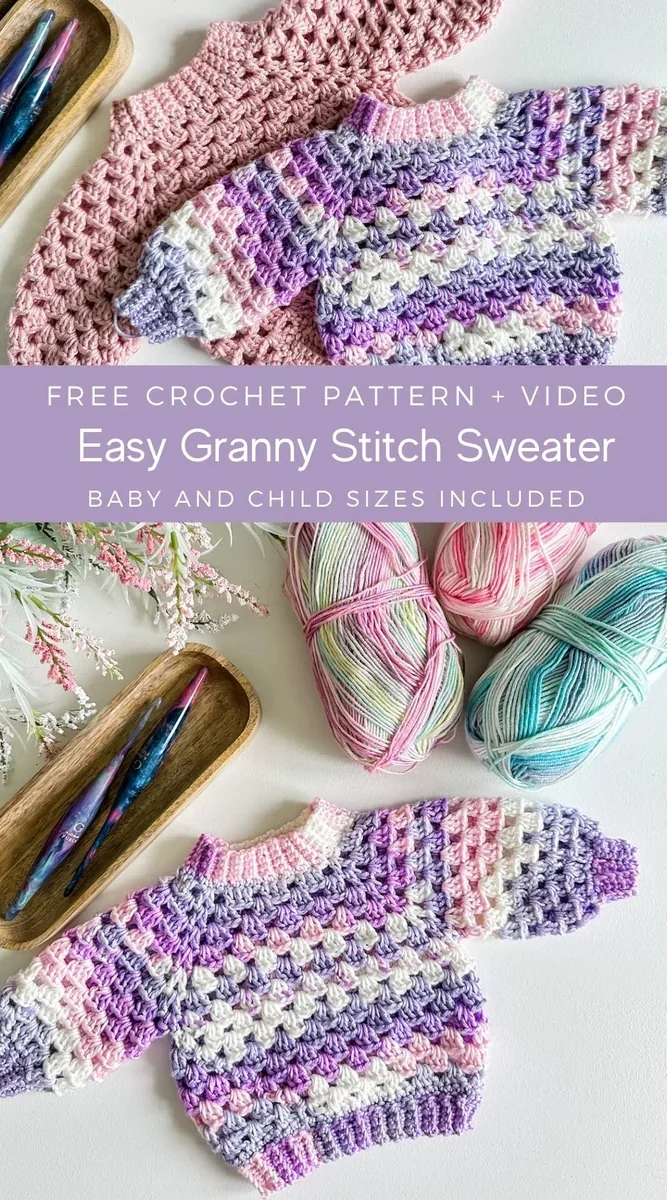
For example, a tightly worked crochet hat may hold its shape, while a loose, open stitch may stretch more easily and allow fingers or toes to catch. A blanket with a simple edge has a different risk profile from a toy with sewn-on parts, embroidered details, or long yarn ends. The material and construction must therefore be checked separately.
Check the surface, edges, seams, and decorations.
Notice scratchy fibers, rough knots, stiffness, or snagging.
Gently inspect stretch, attachment points, and loose ends.
Use only when the item suits the baby’s activity and supervision.
Where crochet fits—and where it does not
Crochet can fit into supervised, awake routines when the item is intact, comfortable, and appropriate for its purpose. A caregiver might use a crochet hat during a brief outdoor outing, a cardigan while holding a baby, or a toy during direct play. The adult should remain able to see and respond to the child.
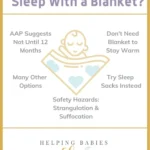
Crochet should not be treated as automatically suitable for infant sleep. Loose or open fabric, long ties, decorative pieces, and excess material can create hazards in a sleep environment. A crochet blanket or comfort item should not be placed in an infant’s sleep space simply because it feels soft or handmade. Keep sleep arrangements separate from supervised awake activities.
Do not use crochet items as crib bedding, bumpers, sleep positioners, or loose objects around a sleeping infant. For awake use, stop if the baby can pull off a piece, place the item in the mouth, become tangled, or show signs of overheating or skin irritation.
Materials, stitches, and construction checks
There is no single “baby-safe” crochet material based on the word alone. Check the actual yarn label when available, then consider how the finished item feels and behaves. Some fibers may feel smooth to one child and irritating to another. Color, texture, and finishing treatments can also affect comfort, so observe the baby’s skin and behavior during use.
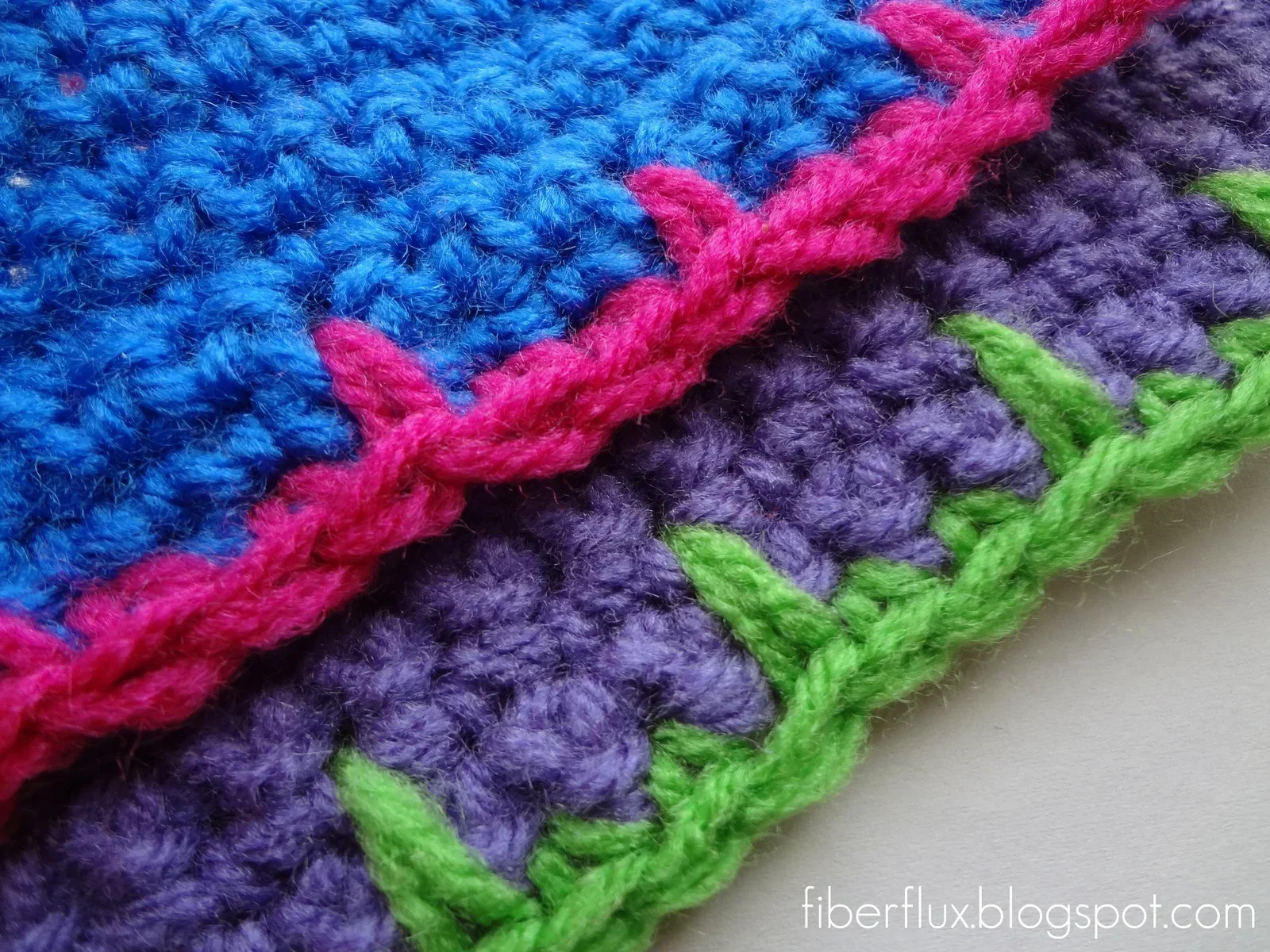
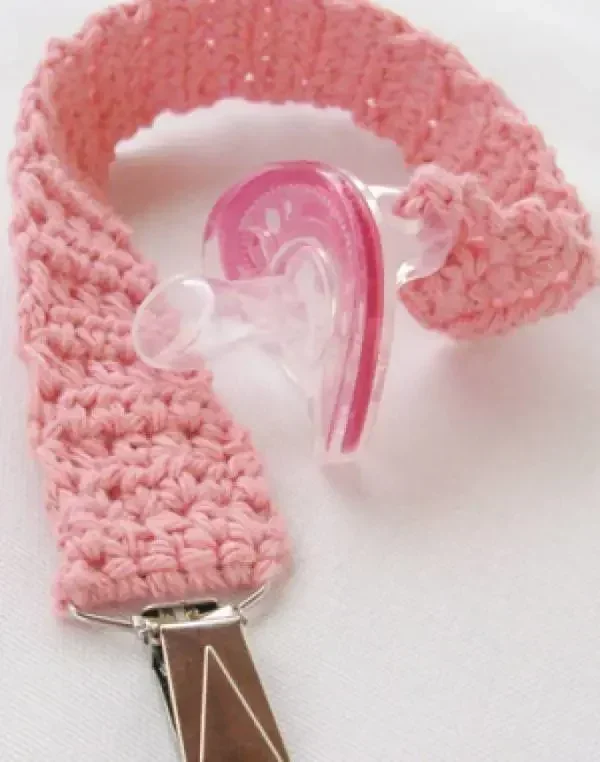
Stitch density matters too. Dense stitches may make a firm fabric, while open stitches create larger gaps. Neither automatically makes an item acceptable or unacceptable; the correct choice depends on the use. Large openings can catch fingers, toes, or pacifier clips, while a very thick item may add unwanted warmth.
The beginner inspection sequence
Spread it flat. Look for holes, uneven edges, unraveling, and pulled loops.
Turn it inside out. Check knots, joins, hidden tails, sewn labels, and rough finishing.
Gently stretch it. Stop if loops separate, a seam opens, or a decoration shifts.
Check the baby’s activity. A design that works for holding may not work for crawling, mouthing, or independent play.
If you cannot tell whether a decoration is firmly attached, treat it as loose. Remove the decoration or reserve the item for display rather than placing it within a baby’s reach.
Cleaning, drying, and storage
Clean crochet according to the yarn label or the maker’s care instructions when those details are available. Washing can change shape, loosen stitches, cause colors to bleed, or create extra wear at seams. If there are no instructions, avoid guessing that the item can tolerate heat, vigorous agitation, or a dryer.
Before washing, inspect the item and note any existing damage. After washing, reshape it gently on a clean, dry surface if the care directions allow. Let it dry fully before storage or use. Damp yarn can develop an unpleasant odor and may encourage material breakdown over time.
Common crochet problems and fixes
Start with a low-risk visual check rather than pulling hard on a damaged stitch. A loose yarn tail may be harmless in an adult craft project, but it can become accessible to a baby’s fingers or mouth. A small snag can also spread when the item is stretched or washed.
Loose thread
Stop use until the thread is safely secured or the item is repaired. Don’t simply cut a visible tail if cutting could release the stitch.
Stretched opening
Remove the item from the baby’s routine. An opening that catches a finger or toe is a reason to repair, redesign, or retire it.
Poor fit
Do not force a hat, sleeve, mitten, or clothing item into place. Tightness, slipping, or restricted movement means the item does not fit that routine.
Retire an item when repairs cannot restore secure construction, when the yarn repeatedly unravels, when a decoration keeps loosening, or when the material has become rough and irritating. A sentimental item can still be preserved outside the baby’s reach.
Mistakes to avoid
The most common mistake is assuming that handmade means safer or gentler. Crochet quality varies with the yarn, pattern, finishing, and repair history. Another mistake is judging an item only by its appearance. A neat surface can hide a loose knot or weak attachment on the reverse side.
Also avoid choosing an item by age label alone. Babies develop at different rates, and an item that fit last month may now be loose, tight, or easy to pull off. Recheck the item whenever the child’s activity changes, especially when reaching, mouthing, crawling, or independent movement begins.
A crochet item should be evaluated for its intended activity, not just its intended recipient. “For a baby” does not answer whether it is for clothing, supervised play, carrying, or sleep.
A practical crochet checklist
Before using crochet in a baby routine, ask five questions: Is the item intact? Is the yarn comfortable? Is the fit appropriate? Are there small parts or long loose ends? Will an adult supervise the activity? If any answer is uncertain, pause and choose a different routine until the concern is resolved.
For a handmade item, keep the pattern or care information if it is available. That record can help identify the yarn, washing method, stitch structure, and intended dimensions. If a repair changes the shape or adds a new attachment, repeat the full inspection instead of assuming the original check still applies.
Crochet can be useful in baby care when its construction, fit, material, and purpose all match the routine. Inspect it before use, supervise awake activities, keep it out of infant sleep spaces, and remove any item that develops loose threads, weak seams, unsafe decorations, or poor fit.
Crochet questions from caregivers
Is crochet safe for babies?
Crochet can be suitable for supervised awake use when it is intact, comfortable, well-fitted, and free from loose threads or detachable parts. Inspect the specific item before each new type of use.
Can a crochet blanket go in a baby’s crib?
A crochet blanket should not be used as loose bedding in an infant’s sleep space. Keep it for supervised awake use and follow a separate, clear sleep routine.
What should I check on a crochet baby toy?
Check seams, stuffing, eyes, buttons, embroidered details, and yarn ends. If any part loosens or can be pulled free, remove the toy and repair or retire it before offering it again.
How should crochet baby items be washed?
Follow the yarn label or maker’s care directions. If instructions are missing, avoid heat and rough handling, then dry the item fully and check its shape and seams before reuse.
Are open crochet stitches a problem?
Not always, but large openings can catch fingers or toes and may allow a baby to pull at loops. Match the stitch structure to the activity and stop use if the fabric snags or stretches.
When should I stop using a crochet item?
Stop when it has loose threads, weak seams, detachable decorations, uncomfortable texture, moisture damage, or a poor fit. Keep it away from the baby until it is safely repaired or retired.