Quick Answer: A security blanket for babies is a familiar soft object that may help a child feel calm during separation, rest, or changes in routine. It can be useful during supervised awake time, but loose blankets and comfort objects should stay out of an infant’s sleep space.
Parents often ask what is a security blanket for babies because the phrase can describe several different comfort objects. It may mean a small blanket, a soft cloth, or another familiar item that a child associates with a caregiver, bedtime, or a predictable routine. The important distinction is not the name of the object but how, when, and where it is used.
This guide explains the idea in plain language, separates supervised comfort from infant sleep safety, and gives simple checks for cleanliness, condition, and routine use.
Baby comfort object
Safe-use basics
Routine and attachment
What does a security blanket mean?
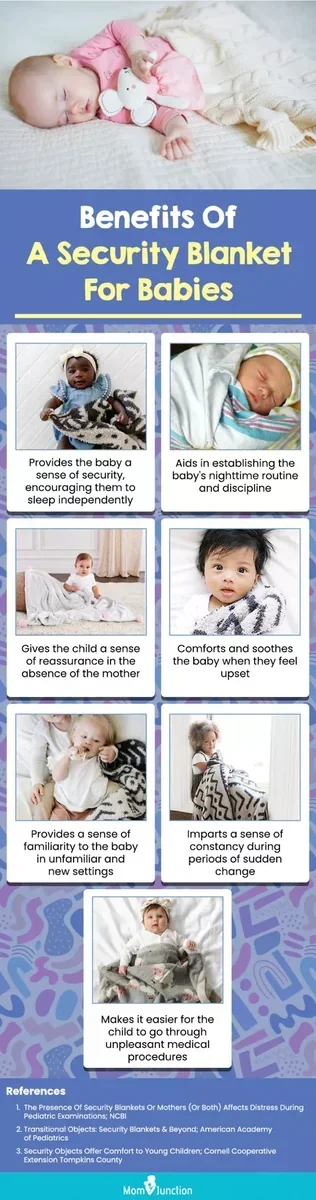
A security blanket is a familiar comfort object that a baby or young child may hold, touch, smell, or look for during a change in routine. The object itself doesn’t provide emotional security in a clinical sense. Instead, its familiar feel and connection with a repeated routine may help a child settle when a caregiver leaves, a nap begins, or an unfamiliar setting feels overwhelming.
The term “blanket” can be broad. One family may use a small fabric square, while another may use a soft cloth or a simple item that is easy for the child to recognize. A caregiver shouldn’t assume that every item marketed or described as a security blanket is suitable for every age or situation. Size, loose parts, fabric condition, and the child’s ability to handle the item all matter.
It also isn’t the same as swaddling. Swaddling wraps an infant for a specific care purpose, while a security blanket is a familiar object used for comfort. For a clear explanation of wrapping, see why babies are wrapped in blankets. The two practices shouldn’t be treated as interchangeable.
Why do babies and toddlers become attached to one?
A familiar object can make a routine feel more predictable. Babies learn through repeated sights, sounds, textures, and caregiving patterns. When the same clean object appears during a calm activity, the child may begin to recognize it as part of that routine. This is an explanation of familiarity, not a promise that every baby will want a security blanket.
Comfort objects may be especially noticeable during transitions. Examples include moving from play to rest, starting child care, meeting a new caregiver, or spending time away from home. An object can act as a small, familiar link between settings. It doesn’t replace responsive caregiving, feeding, sleep routines, or attention to the child’s needs.
It appears during a calm, supervised routine.
The child recognizes its feel, smell, or appearance.
The object may help connect one routine with another.
When can a security blanket be used?
Use a security blanket as a supervised comfort item when the baby is awake and an adult can observe the child. That may include cuddling, reading, traveling while held by a caregiver, or calming down before a routine change. Supervision lets the adult notice if the item covers the child’s face, catches on something, sheds material, or becomes damaged.
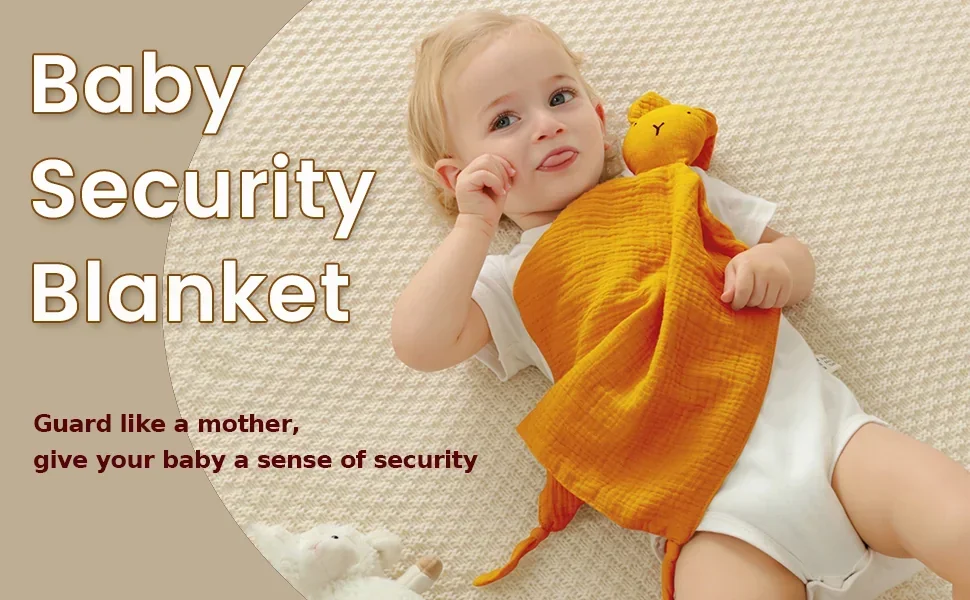
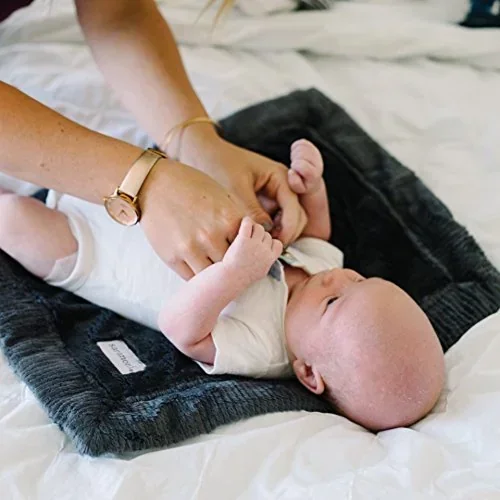
Infant sleep is different. The U.S. Consumer Product Safety Commission’s safe sleep guidance advises keeping soft objects and loose bedding out of an infant’s sleep area. Therefore, a caregiver shouldn’t place a loose security blanket in a crib, bassinet, or other infant sleep space simply because the child likes it.
Don’t use a comfort object to cover a baby’s face, secure the baby in place, prop the baby, or alter a sleep surface. If a child falls asleep while holding one during supervised care, move the item away from the infant sleep space before leaving the child to sleep. For more detail about blanket timing, read when a baby can have a blanket.
A comfort object may be appropriate for supervised awake time but not for an infant’s unattended sleep area. When in doubt, follow current safe-sleep guidance and ask the child’s pediatric clinician about an individual situation.
What should caregivers check?
Start with the object, the setting, and the child. A security blanket should never be treated as automatically safe just because it is small or intended for babies. Check it before each use when the child is young, and check it more often after washing or heavy handling.
Material feel also matters for comfort, but “soft” doesn’t mean risk-free. Very loose, fluffy, stringed, or decorated materials need closer inspection. Avoid tying the item to a crib, clothing, car seat, stroller, or caregiver’s body unless the specific equipment instructions clearly address that use. A tied object can create an entanglement or strangulation concern.
How to introduce one safely
Introduce a comfort object during a calm, supervised routine rather than using it as a quick fix for crying. The goal is to make the routine predictable while the caregiver remains the main source of comfort and observation.
Choose a calm moment. Offer it during cuddling, reading, or another supervised activity when the child is alert enough to respond.
Pair it with a routine. Use the same simple pattern, such as a story followed by a cuddle, instead of making the object the only calming step.
Watch the child’s response. Some babies ignore comfort objects, while others show interest gradually. Don’t force the item into the child’s hands or face.
Remove it for infant sleep. Keep loose comfort items out of the sleep area and continue using the safe sleep setup recommended for the child’s age and situation.
Cleaning, storage, and replacement checks
Keep the object clean and completely dry. Follow the care instructions supplied with that specific item rather than guessing about washing temperature, drying, or disinfecting. If no care information is available, use a cautious approach and avoid applying chemicals that could remain in the fabric or alter its structure.
A spare identical comfort item may help a family manage washing or loss, but caregivers shouldn’t assume two items are interchangeable unless the child accepts both. Store any spare in a clean, dry place. Never attach multiple comfort objects together or place extras in an infant’s sleep space.
Keep using it when
The item is intact, clean, dry, and used only in an appropriate supervised setting. The child can handle it without it covering the face or becoming caught on nearby objects.
Stop and reassess when
It develops holes, loose parts, heavy fraying, persistent dampness, or an odor that remains after proper cleaning. Also reassess if the child uses it in a way that creates a safety concern.
Common mistakes to avoid
The most common mistake is confusing emotional comfort with sleep safety. A child may strongly prefer an object, but preference doesn’t make a loose item suitable for an infant crib. Another mistake is assuming that a smaller object is automatically safe. Small parts, strings, and damaged edges can still create problems.
Caregivers can also rely too heavily on the blanket when the child needs something else, such as feeding, a diaper change, warmth, connection, or medical attention. Look at the whole situation first. A comfort object can support a routine, but it shouldn’t hide or replace a basic need.
Finally, avoid using a blanket to restrain, wrap, cover, or position a baby. If you have a concern about breathing, unusual sleep behavior, skin irritation, swallowing, or a damaged object, stop using it and contact a qualified pediatric professional for personal guidance.
A simple decision guide for caregivers
Use this three-question check whenever the object enters the routine: Is the child awake or asleep? Is an adult actively supervising? Is the item clean, intact, and free from loose parts? If the answer to any question raises concern, pause and remove the object until the situation is clear.
Frequently asked questions
What is a security blanket for babies used for?
It is used as a familiar comfort object during supervised awake routines, such as cuddling, reading, or transitions. The next step is to check the item’s condition and keep it out of an infant’s sleep space.
Can a baby sleep with a security blanket?
Loose blankets and soft comfort objects should not be placed in an infant’s sleep area. Remove the item before unattended infant sleep and follow current safe-sleep guidance.
Is every small blanket a security blanket?
No. A security blanket is defined by its familiar comfort role, not simply by its size or shape. Check the material, condition, loose parts, and intended setting.
What should I do if the blanket is damaged?
Stop using it if holes, fraying, loose threads, or detachable parts create a concern. Inspect it after cleaning and replace the routine with another safe comfort method if needed.
Can a security blanket replace caregiver comfort?
No. It may support a familiar routine, but it doesn’t replace responsive caregiving or attention to feeding, hygiene, warmth, sleep, or health needs.
Final thoughts
A security blanket for babies is a familiar comfort object, not a sleep aid or substitute for caregiving. Use it during supervised awake time, inspect it regularly, keep it clean and intact, and remove it from an infant’s sleep area. Your next practical step is to review the object and the setting together before using it.