Quick Answer: A baby should not sleep with a loose blanket during infancy. For supervised awake time, a light blanket may be used briefly while an adult watches closely. For sleep, wait until your child can safely manage loose bedding and confirm the advice that applies to your child.
Wondering when can a baby have a blanket is really a question about sleep safety, supervision, movement, and the difference between loose bedding and a wearable layer. The answer is not based on blanket size or softness alone. It depends on where the baby is, whether an adult is watching, and whether the child can move the blanket away from the face.
This guide separates infant sleep from supervised awake use, explains the checks that matter, and gives a practical way to decide what to do next without relying on a blanket’s age label.
Infant sleep
Blanket safety
Parent checklist
The short answer depends on where the blanket is used
For unsupervised sleep, keep a loose blanket out of the baby’s sleep space during infancy. A blanket can shift when a baby kicks, turns, or pulls. If it covers the nose or mouth, a young infant may not be able to uncover their face or change position effectively.
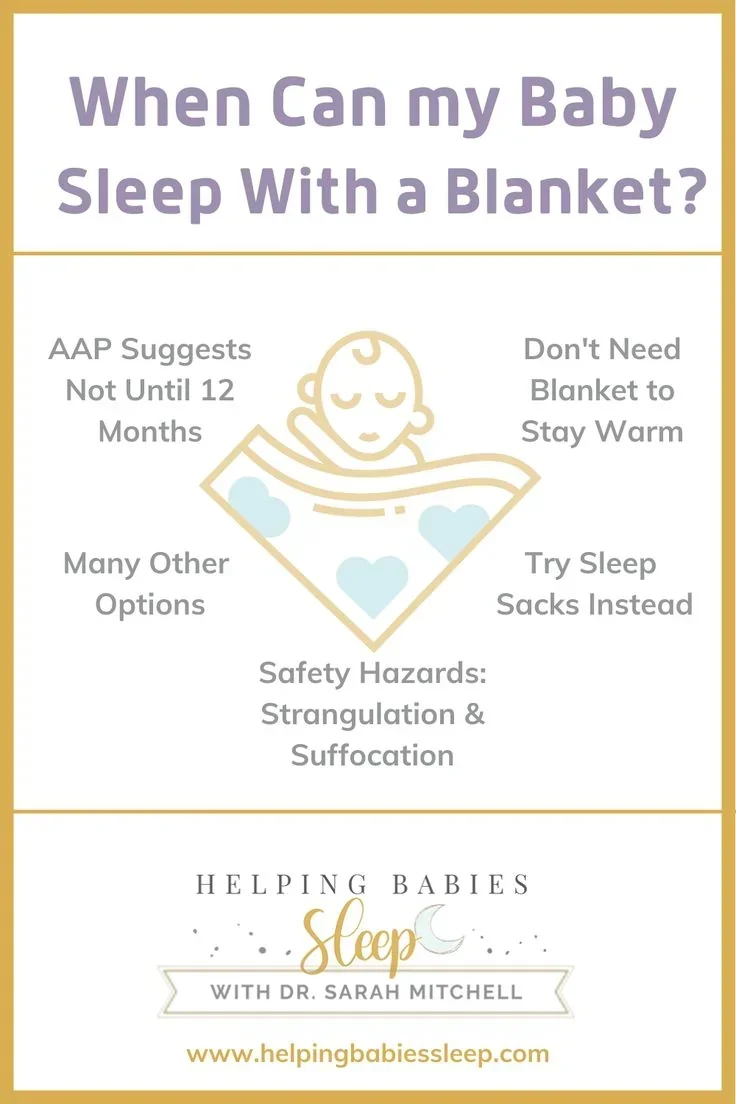
For supervised awake time, the situation is different. An adult can watch the baby, keep the face clear, and remove the blanket if it moves upward or becomes tangled. This might happen during a brief cuddle, floor play, or an outdoor rest while the caregiver remains close and attentive.
There is no blanket material, pattern, or small size that removes the need for supervision. A thin blanket is still loose bedding. A larger blanket creates more material that can bunch, while a smaller one may still reach the face. The important question is not “Is this blanket soft?” but “Can the baby keep the airway clear, and is someone watching right now?”
Do not use a loose blanket as a way to solve a suspected illness, breathing problem, or temperature concern. If your baby seems unusually hot, cold, lethargic, or uncomfortable, contact qualified pediatric care rather than adjusting bedding alone.
Sleep, supervised use, and comfort are not the same
A blanket used while a baby is awake and watched should not automatically be treated as safe for sleep. Caregivers often move a blanket from a stroller, lap, or play area into a crib because the baby looks sleepy. That change removes the active supervision that made the earlier use different.
A comfort object also has a separate role from a covering. Some older babies and toddlers become attached to a familiar cloth item, but attachment does not make loose bedding appropriate for every sleep stage. If you want to understand the difference between emotional comfort and a sleep covering, read this explanation of what a security blanket is for babies.
If yes, remove loose bedding unless current professional guidance for your child says otherwise.
If not, do not treat awake-time blanket use as supervised use.
If the blanket reaches the face, remove it immediately.
Why age alone cannot answer the question
Age is useful context, but movement and sleep habits matter too. Babies develop at different speeds. One child may roll and reposition confidently while another of the same age may not. A caregiver should not use a birthday as the only reason to add loose bedding.
Before considering a blanket for sleep, look at the child’s ability to move freely, change position, and clear material from the face. Also consider the sleep setting. A blanket in a crib, bassinet, or other infant sleep space presents a different concern from a blanket held over a baby during a fully supervised cuddle.
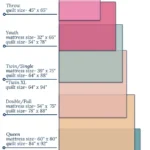
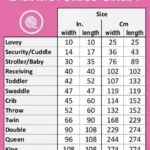
For a practical size reference, a baby blanket measurement chart can explain common dimensions. However, measurements do not establish sleep safety. A smaller blanket may be easier to handle, but it remains loose material if placed in an infant’s sleep space.
A simple check before using a blanket
Start by identifying the routine, then check the child and the environment. This prevents a blanket that was suitable for a supervised moment from being carried into an unattended nap.
Name the setting. Is this a lap, play mat, stroller, car ride, crib, bassinet, or bed? Treat sleep spaces and transport situations separately.
Check supervision. The adult should be awake, close enough to see the baby, and ready to remove the blanket. A nearby adult who is also asleep does not count as active supervision.
Watch movement. If the baby pulls, kicks, rolls, or wriggles the blanket upward, remove it rather than repeatedly repositioning it.
Stop when sleep begins. If the baby becomes drowsy, move the child to an appropriate sleep arrangement and remove the loose blanket.
Use a clear verbal rule in shared caregiving: “Blanket only while awake and watched.” Simple wording can prevent a grandparent, sitter, or older sibling from assuming that a supervised comfort item is suitable for a nap.
Common mistakes caregivers make
The most common mistake is focusing on the blanket instead of the situation. A thin, breathable, handmade, or sentimental blanket may still become loose bedding when it is left with a sleeping infant. Another mistake is tucking the blanket around the baby and assuming it cannot move. Kicking and turning can loosen it.
Do not weigh a blanket down, tie it to the crib, attach it to clothing, or place it under a mattress to keep it from moving unless qualified guidance specifically addresses that arrangement. These changes can create separate hazards and should not be improvised.
What to do if your baby seems cold
Check the baby’s overall comfort and the room routine before adding loose bedding. A blanket is not the only way to respond to cool hands or feet, and those areas may not reflect the child’s overall temperature. Look at the baby’s chest or back, observe behavior, and follow the care advice given for your child.
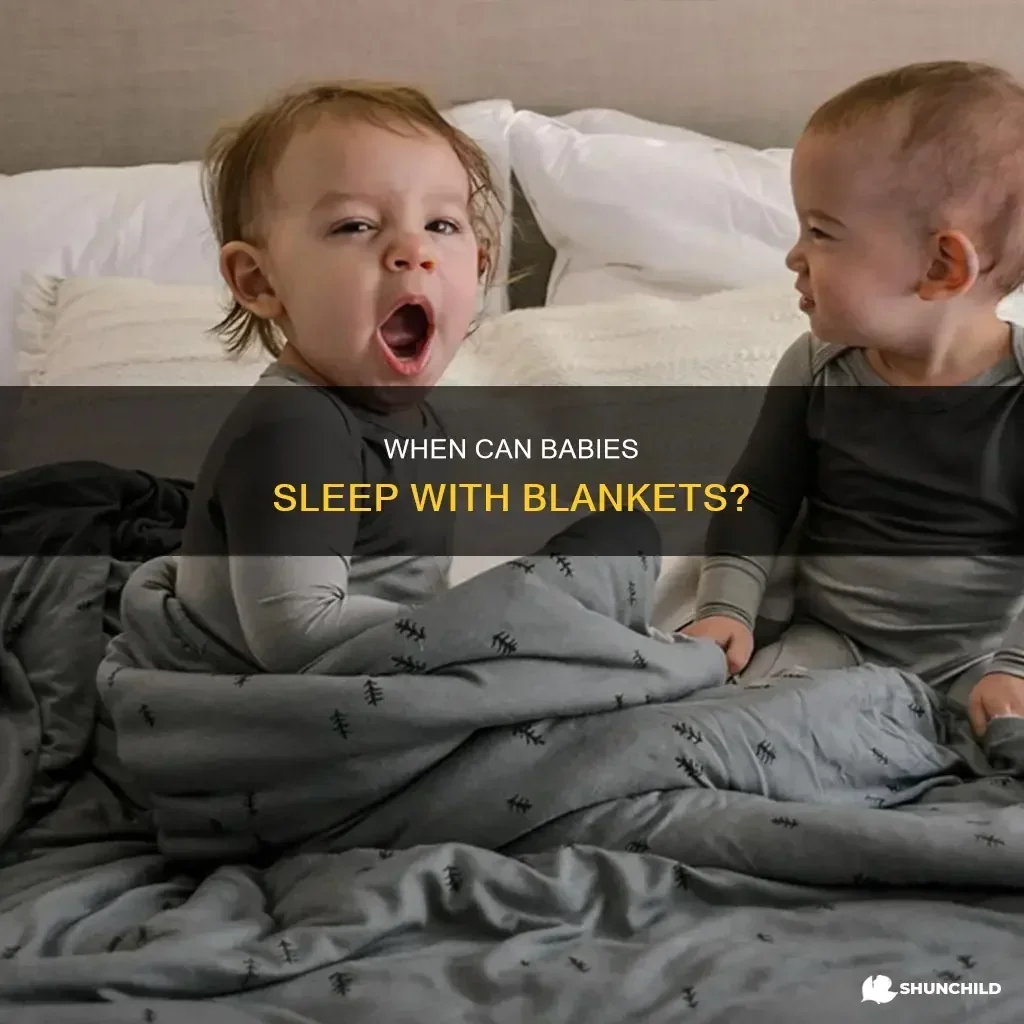
Clothing layers should be selected carefully so the baby does not become overheated. Avoid covering the head indoors during sleep and do not use a blanket to hide signs of illness. If you are unsure whether your baby is too warm, too cold, or showing concerning symptoms, ask a pediatric professional for individualized advice.
Sentimental blankets can still have a useful place outside infant sleep. They may be used for photographs, supervised floor time, or family traditions, provided the baby remains watched and the fabric stays away from the face. If you are choosing a name or message for a keepsake, you can browse these baby blanket name ideas, but decoration does not change the safety checks.
When to ask for individual advice
Ask a qualified pediatric professional when your child has special medical, developmental, or mobility needs. General blanket guidance may not address a baby who has breathing concerns, unusual muscle tone, restricted movement, or a condition that affects temperature regulation.
It is also worth asking when caregivers disagree about readiness. Bring a clear description of the setting: where the child sleeps, whether the blanket is loose, how the child moves, and what happens when the child becomes drowsy. Specific details make the question easier to answer than simply asking whether a blanket is “safe.”
Instead of asking, “Can my baby have a blanket now?” ask, “My child is awake during a supervised cuddle,” or “My child sleeps independently and can move bedding away from the face. What guidance applies?” The routine changes the answer.
A practical decision rule for families
If the baby is asleep and the blanket is loose, remove it. If the baby is awake, an alert adult is close, and the face remains clear, brief blanket use may be appropriate for that supervised moment. If the child becomes sleepy, end the blanket use and follow your established sleep routine.

This rule is intentionally simple. It avoids relying on a blanket’s thickness, brand description, decoration, or exact measurement. It also helps every caregiver respond consistently, including during travel, visits, and changes in the daily schedule.
Choose supervised use
The baby is awake, the caregiver is attentive, and the blanket can be removed immediately if it moves.
Avoid loose sleep bedding
The baby is napping or sleeping without an adult actively watching, even if the blanket seemed fine moments earlier.
Frequently asked questions
When can a baby have a blanket at night?
There is no single birthday that makes every blanket arrangement safe. Keep loose blankets out of infant sleep spaces, then ask a qualified pediatric professional when your child’s movement and sleep setting make a change reasonable. Your next step: review the entire sleep space, not just the blanket.
Can a baby use a blanket while awake?
Yes, a blanket may be used briefly during awake time when an alert adult watches closely and keeps the baby’s face clear. Remove it if the baby becomes drowsy or pulls it upward. Your next step: stay within immediate reach.
Does a small blanket make sleep safer?
No blanket size removes the concern created by loose bedding during infant sleep. A small blanket can still move toward the face. Your next step: do not use size as the only safety test.
Can a security blanket stay in the crib?
A security blanket is a comfort object, not an automatic exception to loose-bedding guidance. Whether it is appropriate depends on the child’s age, development, and sleep setting. Your next step: ask about the specific object and routine.
What should I do if my baby falls asleep under a blanket?
Remove the loose blanket and move the baby into the established sleep arrangement. Check that the face is clear and observe the child. Your next step: tell other caregivers what to do when awake-time use turns into sleep.
When should I ask a pediatric professional?
Ask when your child has medical or developmental needs, when caregivers disagree, or when you are unsure about temperature or movement. Your next step: describe the exact sleep setting and the child’s abilities.
Final thoughts
The safest answer to “when can a baby have a blanket?” begins with the setting. Keep loose blankets out of infant sleep spaces, use them only briefly during closely supervised awake time, and reassess as your child develops. When in doubt, remove the blanket and ask qualified pediatric care about your child’s specific routine.