Baby quilt meaning usually refers to a small, layered textile made from fabric pieces, batting, and backing, often used for decoration, supervised awake time, gifting, or keepsake purposes. It isn’t automatically suitable for infant sleep.
The phrase baby quilt meaning can describe both a physical item and the feeling attached to it. In practical terms, a baby quilt is a small quilted covering. In family life, it may represent welcome, remembrance, handiwork, heritage, or a child’s early milestones. Understanding both meanings helps you use the quilt appropriately and preserve its value.
Baby blanket difference
Keepsake meaning
Care and safety
What Does Baby Quilt Meaning Include?
Baby quilt meaning starts with construction: a quilt normally has three functional layers—a top, an inner layer often called batting, and a backing—held together with stitching. The top may use one fabric or many fabric pieces. The stitching can be decorative, practical, or both.
The word “baby” usually describes the intended scale, theme, recipient, or occasion rather than a universal technical standard. There is no single material, shape, pattern, or measurement that makes every quilt a baby quilt. One may be square, rectangular, personalized, patchwork, embroidered, or made from meaningful fabric.
That distinction matters because people sometimes use “quilt,” “blanket,” and “throw” as if they mean exactly the same thing. A blanket may be a single woven, knitted, or fleece layer. A quilt is identified more by its layered construction and stitching. A quilt can be a blanket in everyday use, but not every baby blanket is a quilt.
Practical meaning
A layered, stitched textile that may provide light warmth or a soft surface during an appropriate supervised activity.
Emotional meaning
A handmade or personalized gift that can mark birth, adoption, family connection, celebration, or remembrance.
Why the Meaning Matters in Everyday Use
The meaning matters because intended use changes the checks you need to make. A quilt displayed on a nursery wall has different requirements from one placed on the floor for supervised play. A family keepsake may be handled rarely, while a washable everyday covering may face frequent spills and laundering.
A thoughtful gift also communicates something beyond warmth. Fabric colors may reflect a family’s preferences, while stitched names, dates, or motifs can record a particular event. Those details are personal interpretations, not fixed meanings shared by every family. Avoid assuming that a color, animal, or pattern has one universal message.
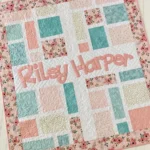
Some quilts are made from old clothing or fabric connected to relatives. If you’re considering this type of memory project, a guide to baby quilts and memory blankets can help separate the keepsake purpose from the everyday-care purpose.
Meaning-to-use pathway
Gift, display, supervised activity, or keepsake
Layers, stitching, seams, trim, and attachments
Condition, cleanliness, size, and supervision needs
Follow the material and stitching requirements
How a Baby Quilt Works
A quilt works by joining layers into one stable textile. The top provides the visible design, the middle adds body, and the backing creates the underside. Stitching helps hold the layers together and may create lines, squares, curves, or other patterns.
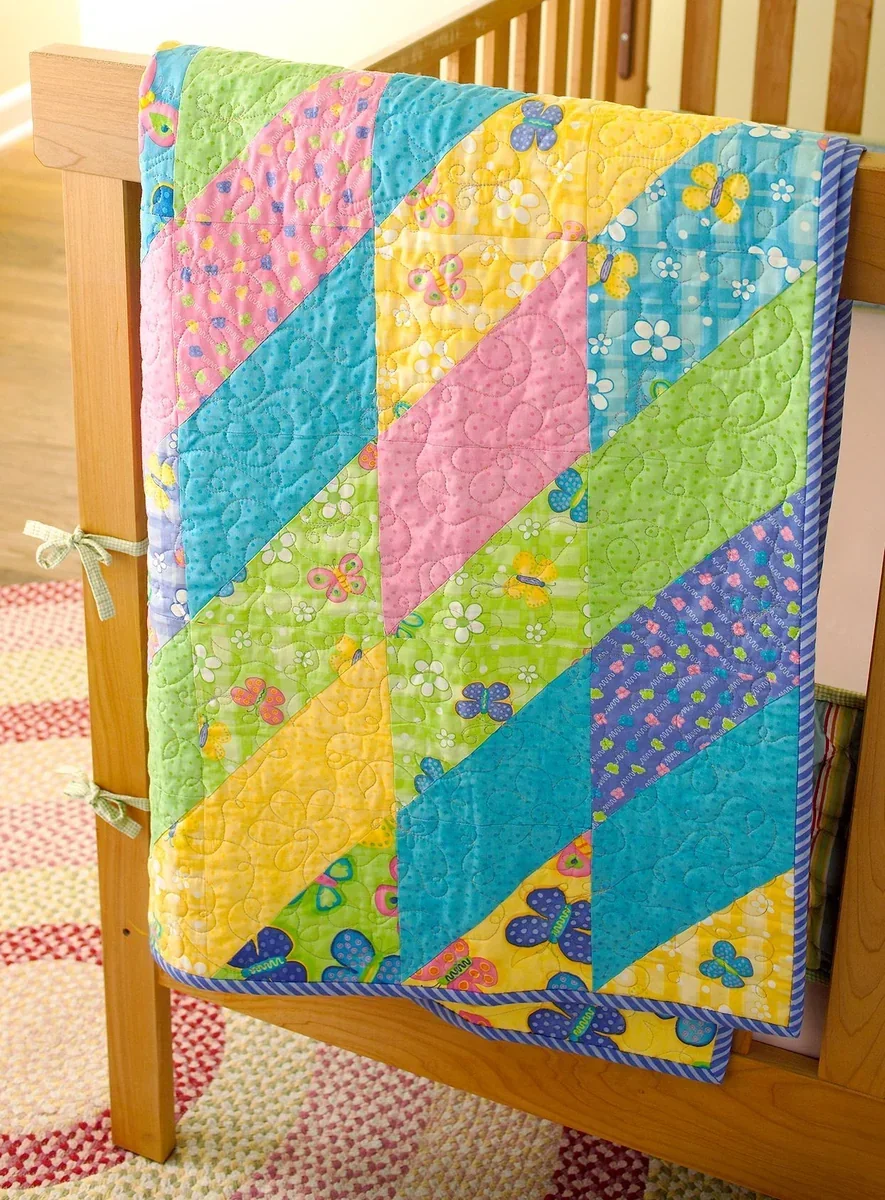
The result can feel different from a thin blanket. It may have more structure, visible seams, and areas where stitching changes the flexibility of the fabric. These features are part of the quilt’s character, but they also create places to inspect for loose threads, separated seams, or damaged edging.
Size and Purpose Checks
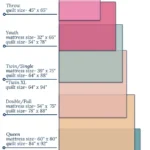
There is no universal baby quilt size, so measure the actual item and match it to the intended purpose. A small quilt may work as a display piece or supervised floor layer, while a larger one may be designed for a bed or later childhood use. The label “baby” alone doesn’t confirm where or when it should be used.
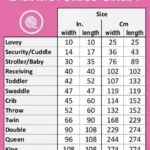
For measurement help, compare the item with a baby blanket measurement chart, but treat general charts as reference points rather than proof that a particular quilt fits a crib, stroller, or bed. Check the real dimensions and the space around the child.
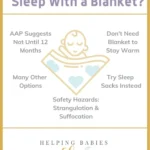
A quilt’s name, softness, thinness, or small size does not establish infant sleep suitability. Keep sleep decisions separate from decorative or supervised-awake use, and follow current guidance for the child’s age and sleep space.
How to Check, Clean, and Store a Baby Quilt
Start with a condition check before every hands-on use. Spread the quilt on a clean surface, inspect both sides, and run your eyes along the edges. Look for loose threads, open seams, detached appliqués, damaged snaps, or rough areas. Stop using it around a baby if a part can detach or wrap around fingers.
Read the care information. Follow the maker’s instructions when they exist. If the quilt is handmade or old, identify fragile fabrics, color bleeding, delicate stitching, and nonwashable decorations first.
Check for color and fabric risks. Test an inconspicuous area only when appropriate, especially if the fabric is old or brightly colored. Avoid guessing when a keepsake may be damaged by water or friction.
Clean gently when needed. Use the least aggressive method that suits the fabric and construction. Don’t pull, wring, or scrub areas where stitching is weak.
Dry it completely. Damp storage can lead to odor and fabric damage. Make sure the inner layer is dry, not just the top and backing.
Store without pressure or moisture. Fold it loosely or support it in a clean, dry place. For a valuable keepsake, avoid placing heavy objects on top of it.
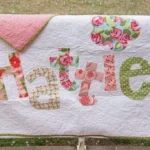
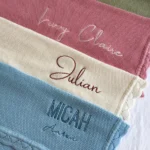
If you want to add a name or date, decide whether the quilt is for frequent washing or occasional display first. Techniques such as embroidering on a baby blanket may suit a personalization project, but added stitching should remain secure and should not create loose or detachable parts.
Common Misunderstandings to Avoid
The most common mistake is treating the word “baby” as a safety rating. It usually identifies the audience or theme, not a tested use condition. A quilt can be beautifully made and still need close supervision during use.
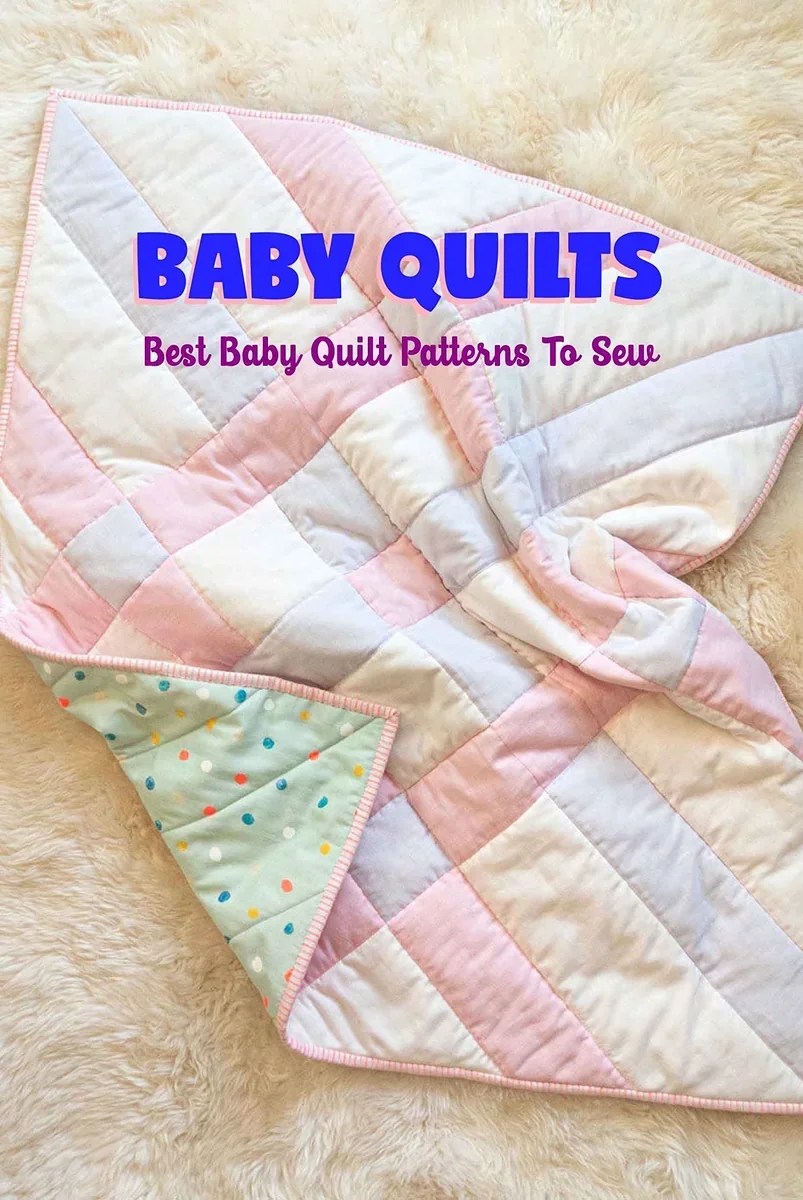
Another mistake is judging quality only by appearance. A neat front may hide worn backing, weak seams, or damp filling. Turn the quilt over, inspect the edges, and consider how it will be cleaned. When a quilt has sentimental value, preservation may be more important than frequent handling.
Choose the use first, then check the quilt. If the purpose is display, focus on preservation. If it’s supervised awake time, focus on condition and cleanliness. If it involves infant sleep or transport, consult the relevant safety instructions instead of relying on the word “quilt.”
The Keepsake and Gift Meaning
A baby quilt often becomes meaningful because of the time, thought, and personal connection behind it. A handmade quilt may represent effort. A quilt made from family fabric may connect a child with relatives or an earlier chapter of family life. A personalized quilt may record a name, date, place, or message chosen by the giver.
Still, the meaning belongs to the people involved. There is no universal symbolic interpretation for every pattern or color. The clearest way to preserve the story is to record it separately: note who made the quilt, which fabrics were used, why the design was chosen, and when it was given.
That small record can prevent uncertainty years later, especially if the quilt is stored rather than used every day. It turns a textile into a documented family keepsake without requiring anyone to assign a meaning the maker never intended.
Baby Quilt Meaning FAQ
What is the simple baby quilt meaning?
A baby quilt is a small, layered, stitched textile made for a baby-themed, gifting, decorative, supervised, or keepsake purpose. Next, check its construction and intended use.
Is a baby quilt the same as a baby blanket?
No. A quilt usually has joined layers held by stitching, while a blanket may be one woven, knitted, or manufactured layer. Inspect the item instead of relying on the label.
Does “baby quilt” mean it is safe for infant sleep?
No. The name does not establish sleep suitability. Keep infant sleep decisions separate and follow current safe-sleep guidance for the child and sleep space.
What makes a baby quilt meaningful?
Its meaning may come from the maker, fabric history, personalization, occasion, or family memories. There is no single meaning for every pattern or color.
How should I check a baby quilt before use?
Inspect both sides, seams, edges, threads, decorations, cleanliness, and moisture. If anything can detach or wrap around fingers, stop using it around a baby until the issue is resolved.
How can I preserve a meaningful baby quilt?
Record its story, follow suitable care instructions, keep it fully dry, and store it in a clean place without heavy pressure. Check it periodically for damage.
Final Thoughts
The baby quilt meaning combines construction with connection: it is a layered, stitched textile that may also carry family memories. Define the purpose, inspect the actual quilt, keep sleep use separate, and care for the fabric according to its materials and condition.