Naming a baby blanket can turn an ordinary care item into a family keepsake. The name might celebrate a baby’s identity, describe its soft personality, or capture a memory from the early months. This guide shares baby blanket name ideas for personalized labels, family nicknames, nursery stories, and sentimental keepsakes.
Unique ideas
Keepsake names
Family nicknames
What Makes a Good Baby Blanket Name?
A good baby blanket name is one your family can say naturally and recognize quickly. It doesn’t need to be a formal baby name. A word such as “Bunny,” “Blue,” or “Cuddle” may feel more memorable than a long title, especially when the blanket becomes part of a daily routine.
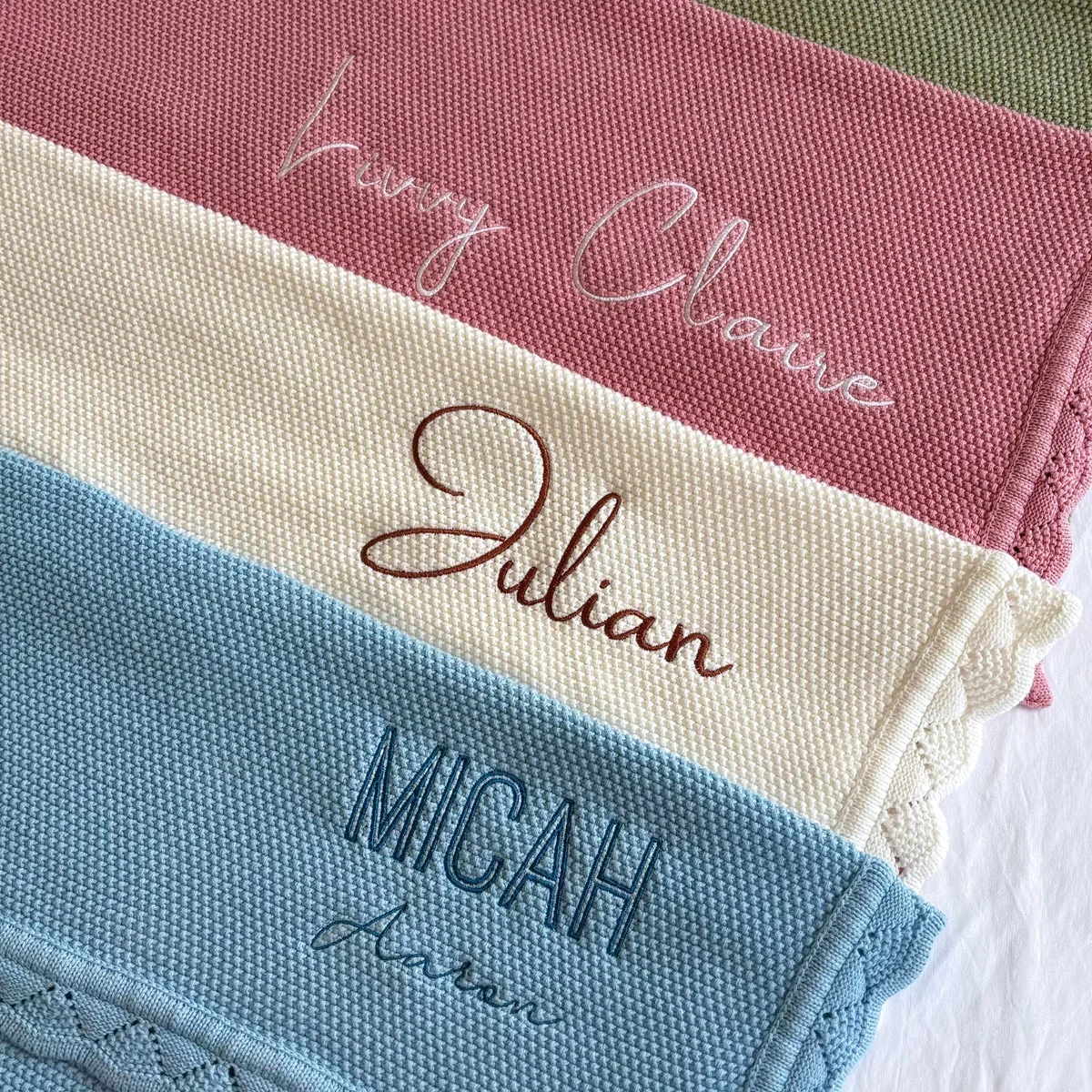
Start by deciding what the name is meant to do. A keepsake label may suit a full first name and birth year. A family nickname may work better for a small blanket that travels between rooms. If the name will be spoken by a young child, choose clear sounds and avoid spelling that everyone has to explain.
Say the name aloud in a realistic sentence: “Where is ___?” and “It’s time to wash ___.” If it sounds comfortable in both sentences, it is more likely to become a lasting family name.
Baby Blanket Name Ideas by Style
Choose a naming style first, then narrow the list to two or three favorites. The categories below are starting points rather than fixed rules. A name can be cute and meaningful, or simple and imaginative, depending on your family’s language.
Personal names
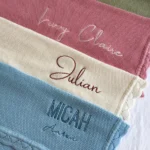
Use the baby’s first name, middle name, initials, or a shortened form. Examples include “Mia’s Blanket,” “Theo,” “J.R.,” and “Little June.” These choices connect the blanket directly to the child.
Soft and playful
These names describe the feeling or mood: “Cuddles,” “Snuggle,” “Cloud,” “Marshmallow,” “Bunny,” “Cozy,” and “Mittens.” They work well when the blanket has a gentle pattern or a family story behind it.
Nature-inspired
Try “Daisy,” “Clover,” “Willow,” “River,” “Sunny,” “Meadow,” or “Bluebird.” Treat these as style choices, not guaranteed name meanings or origins, unless you verify those details separately.
Memory-based
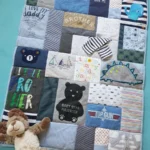
Name the blanket after a place, event, person, or family phrase. “Hospital Blanket,” “Campout,” “Grandma’s Quilt,” or “First Winter” can preserve a moment without needing a traditional name.
How to Choose a Name Step by Step
The easiest approach is to create a broad list first and judge it later. Trying to find one perfect name immediately can make a simple family decision feel harder than it needs to be.
The four-part naming path
Color, pattern, texture, or size.
Baby, family, place, or memory.
Keep three names with different styles.
Say, write, and revisit each choice.
Observe the blanket. Write down visible details such as a star pattern, a green color, a family stitch, or a soft animal design. These observations create useful prompts.
Choose the connection. Decide whether the name should point to the child, the blanket, or a shared memory. Mixing all three can produce a name that feels unclear.
Check everyday use. Consider whether a caregiver, sibling, or child can pronounce and remember it. A short name is usually easier to call out during a busy routine.
Leave room to change. A baby’s blanket name can evolve. You may begin with “Baby Blue” and later use “Blue,” a nickname, or a completely different family phrase.
Checks Before You Settle on One
Before writing or attaching a name, check how it looks in the format you plan to use. A long phrase may be charming in a memory box but difficult to read on a small label. Initials may look neat, but they can lose meaning if relatives don’t know what they represent.
If you use a name with cultural, religious, or language-specific meaning, verify the spelling, pronunciation, and intended meaning with a reliable source or a fluent speaker. Don’t assume a social-media list gives a complete or accurate origin.
Keep Naming Separate From Blanket Safety
A blanket name is a language choice, not a safety label. Whether a blanket is appropriate depends on the baby’s age, developmental stage, setting, and the current guidance for that use. A name such as “Sleepy Cloud” does not make a blanket suitable for unsupervised infant sleep.
For questions about when a blanket may be appropriate, review this guide on when a baby can have a blanket. If the item is used as a comfort object, the idea may also overlap with a security blanket, which is explained in what a security blanket is for babies.
Do not use a cute name as a reason to place a loose blanket in an infant’s sleep space. Keep naming decisions separate from safe-sleep decisions, and follow current pediatric and safety guidance for the baby’s age and situation.
Match the Name to the Blanket’s Role
The blanket’s intended role can guide the tone. A small comfort item may suit a warm nickname, while a larger family keepsake may deserve a full phrase. Size does not determine safety or suitability, but it can affect how much text is practical to display.
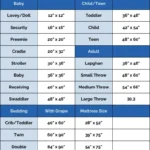
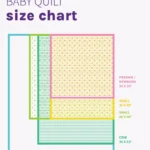
For planning dimensions or comparing common blanket measurements, use this baby blanket measurement chart. Then decide whether the name belongs on the blanket, on a storage note, or only in the family’s spoken vocabulary.
Common Mistakes to Avoid
The most common mistake is choosing a name because it looks attractive in writing but feels awkward when spoken. Another is treating an uncertain name meaning or origin as a confirmed fact. If the name depends on a language, family tradition, or religious reference, check the details before presenting them as fact.
It’s also easy to make the name too specific. “Newborn Star Blanket” may be adorable now, but “Star” could remain useful as the child grows. A flexible name gives the family more room to keep using it without feeling tied to one stage.
Avoid putting private details, such as a full birth date or home address, on an item that regularly leaves the home. A first name, nickname, or family phrase is usually enough for a keepsake label.
A Simple Final Checklist
Read your shortlist one last time before making it permanent. The right choice should feel natural rather than forced, and everyone who uses the blanket should understand what the name refers to.
- Can the family say and spell it easily?
- Does it connect to the baby, blanket, or a meaningful memory?
- Will it still sound pleasant as the child grows?
- Have uncertain meanings or origins been checked?
- Does the name avoid revealing unnecessary personal information?
- Have you kept the naming decision separate from sleep-safety decisions?
Frequently Asked Questions
What are some cute baby blanket name ideas?
Cute options include Cuddles, Bunny, Cozy, Cloud, Snuggle, Blue, and Little Star. Choose the one that matches your family’s language and the blanket’s appearance. Next, say it aloud in an everyday sentence.
Should a baby blanket be named after the baby?
It can be, but it doesn’t have to be. A first name, nickname, initials, color, animal, or family memory can work just as well. Next, decide whether the name should identify the child or the blanket.
What makes a baby blanket name meaningful?
A meaningful name usually connects to a person, place, event, family phrase, or shared memory. Meaning is personal, so you don’t need to rely on a claimed name origin. Next, write down the story behind your favorite choice.
Should the blanket name be short?
A short name is often easier to say, remember, and display, but a longer keepsake phrase can be appropriate. Next, test the name in writing and in conversation before choosing.
Can a blanket name change over time?
Yes. Families often use a formal name, a nickname, or several names at different ages. Next, choose the name that feels natural now and allow the family vocabulary to develop.
Does naming a blanket make it safe for infant sleep?
No. A name has no effect on sleep safety or age suitability. Next, check current safe-sleep guidance separately from your naming decision.
Final Thoughts
The best baby blanket name ideas are easy to say, personal to your family, and flexible enough to last beyond the newborn stage. Start with the blanket’s story, shortlist a few styles, and choose the name that feels most natural in everyday life. Then keep safety decisions separate from the sentimental name.