Quick Answer: A baby name quilt pattern is a layout for arranging fabric blocks, letters, colors, and borders around a child’s name. Start by checking the exact spelling, counting letters, choosing a readable layout, and treating the finished quilt as décor or a supervised keepsake rather than an unattended infant sleep covering.
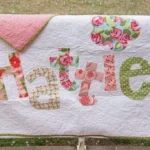
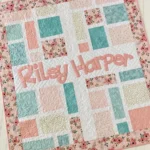
A baby name quilt pattern turns a name into the central design feature of a handmade quilt. The pattern may use one letter per square, a long name panel, appliqué, embroidery, pieced letters, or a combination of these techniques. The best layout is not simply the prettiest one; it must also fit the name, remain easy to read, and leave enough space for seams, borders, and future personalization.
This guide explains how to plan a name quilt from the first spelling check to the final review. If you’re still comparing blanket styles, you may also find this guide to how to make baby name blankets useful for seeing how names can be placed on different blanket types.
Personalized baby quilt
Letter blocks
Keepsake design
What a Baby Name Quilt Pattern Includes
A baby name quilt pattern is more than a list of sewing instructions. It is a plan that defines the name placement, block order, finished dimensions, seam allowances, borders, color relationships, and construction method. Some patterns are built around individual alphabet squares, while others reserve a central strip for the full name.
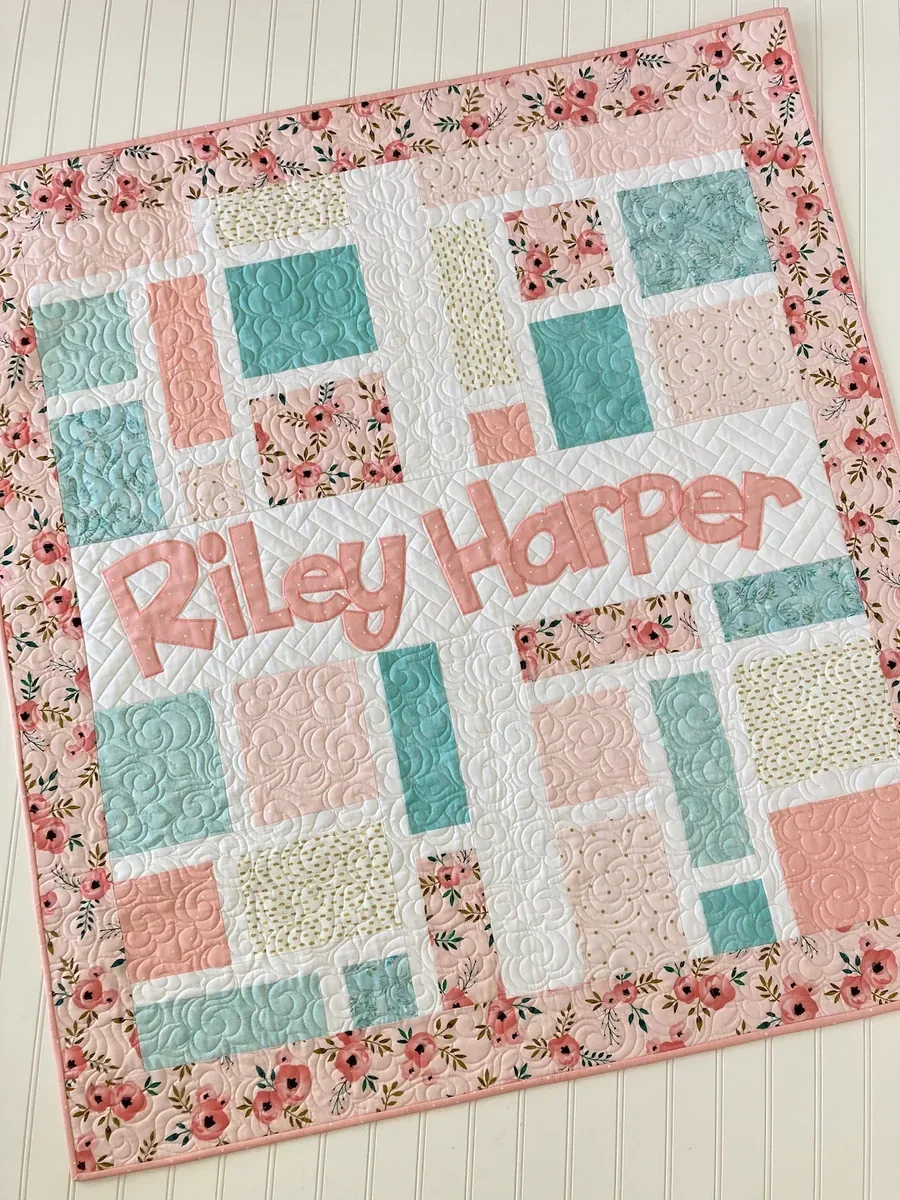
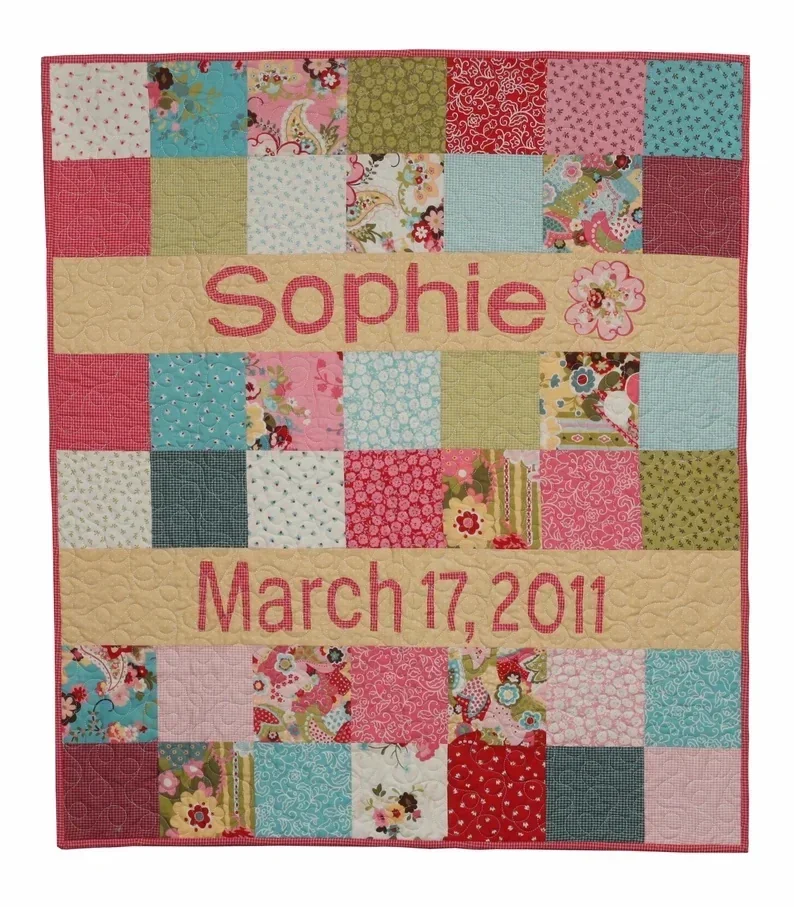
The name usually acts as the visual anchor. Supporting blocks might show stars, animals, flowers, geometric shapes, initials, dates, or simple color fields. These extras should support the name rather than compete with it. A complex background can make small letters difficult to read, especially when several fabric prints have similar colors.
Letter-block layout
One letter occupies each block. This works well when the name has a moderate number of letters and the quilt has a clear horizontal or vertical reading direction.
Name-panel layout
The whole name appears in one panel. It gives longer names more flexibility because letter width can be adjusted without changing every surrounding block.
Choose the Layout Before Cutting Fabric
Choose the layout based on the name length, the available quilt space, and the reading direction you want. A short name can sit across a row of square blocks, while a longer name may need two rows, a central panel, or smaller lettering. Don’t cut fabric until the full name has been tested on paper.
Names with spaces, hyphens, apostrophes, or diacritics need special planning. Decide whether a space will become a blank block, a narrow divider, or a visual gap between words. Preserve the spelling the family intends to use. A pattern can simplify the layout, but it should not silently remove a mark or alter a letter.
Simple layout decision path
Include every intended letter, mark, and space.
Place paper letter boxes in one row and measure the visual balance.
Reserve space for sashing, borders, and seam allowances.
Check whether the name still reads clearly when the page is viewed smaller.
For additional inspiration before finalizing the wording, browse these baby blanket name ideas. The goal is not to copy a layout, but to decide whether the quilt should display a first name, full name, initials, nickname, or a short message.
Plan Color, Contrast, and Letter Readability
Use clear contrast between each letter and its background. Contrast means the letter and surrounding fabric look different enough in lightness, darkness, or color that the shape remains visible. A pale letter on a pale print may disappear, even when the fabrics look attractive side by side.
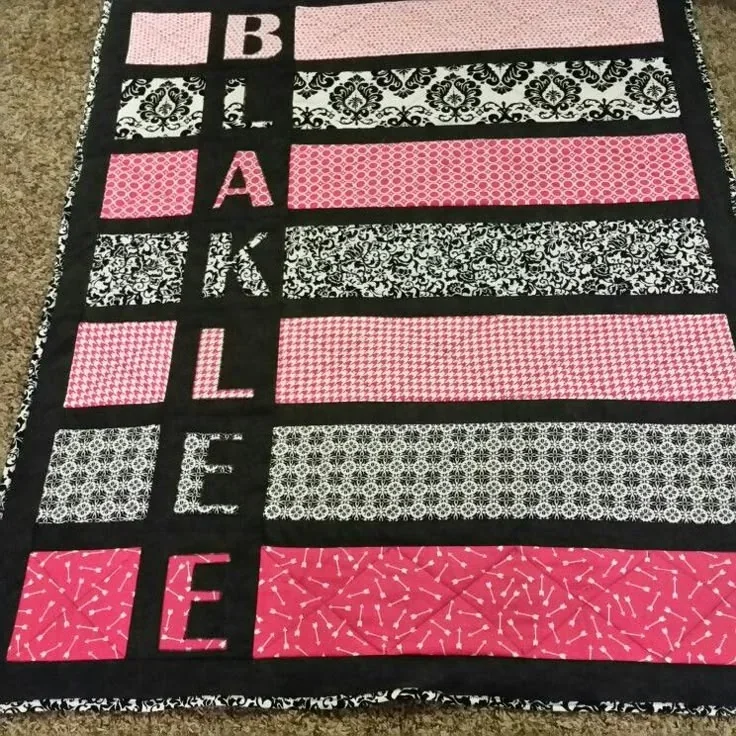
Keep the lettering style consistent unless the pattern intentionally uses a mixed alphabet. Large, simple letter shapes are usually easier for beginners to cut, appliqué, trace, or embroider. Narrow strokes, tiny openings, and highly decorative fonts create more chances for distortion during sewing.
How to Build the Pattern Step by Step
Follow the pattern in stages: confirm the name, create a paper mock-up, prepare the letter pieces, assemble the name section, and then add the surrounding quilt structure. This order limits rework because the name is checked before the design becomes difficult to change.
Confirm the name. Copy the exact spelling, capitalization, spacing, hyphens, and any diacritics. Ask the intended recipient to verify it when the quilt is a gift.
Draw the finished arrangement. Show every letter block, divider, border, and corner. Mark whether measurements describe finished sizes or cut sizes.
Prepare a test row. Arrange paper or scrap-fabric blocks in the intended order. This catches reversed letters, uneven spacing, and an unbalanced name panel.
Assemble in small sections. Join letters into rows or panels before attaching borders. Press seams according to the pattern’s directions so the blocks stay flat.
Review before finishing. Read the name from the direction it will normally be viewed. Check the corners, borders, loose threads, and any raised decoration.
For stitched lettering, the fabric method matters. Appliqué, embroidery, and pieced letters have different allowances and edge details. If you plan to embroider, review this explanation of how to embroider on a baby blanket before choosing a very small letter style.
Safety, Care, and Storage Checks
A name quilt should be treated as a decorative or supervised keepsake item unless its construction and intended use have been carefully considered. A quilt with loose threads, detachable decorations, long ties, or poorly secured appliqué should not be left within an infant’s reach. The younger the child, the more important it is to keep decorative textiles out of unsupervised sleep spaces.
Inspect the finished quilt before each use around a baby. Stop using it in reach if a seam opens, thread loosens, embellishment lifts, or a small part becomes detachable. For sleep use, follow current guidance from the child’s caregiver and appropriate health authorities rather than assuming a handmade quilt is suitable.
Care instructions depend on the fabrics, thread, batting, dyes, and finishing method. A pattern may state how the quilt was designed, but the maker still needs to check the care limits of each material. Test an inconspicuous area when uncertain, avoid harsh handling, and store the quilt clean and fully dry.
Common Mistakes to Avoid
The most common problem is cutting before checking the complete layout. A single reversed letter or missing divider can affect the whole name panel. Another frequent mistake is treating a pattern’s listed block size as the final visible size. Seams reduce the finished area, so the pattern should clearly distinguish cut dimensions from finished dimensions.
Final Review Before Displaying the Quilt
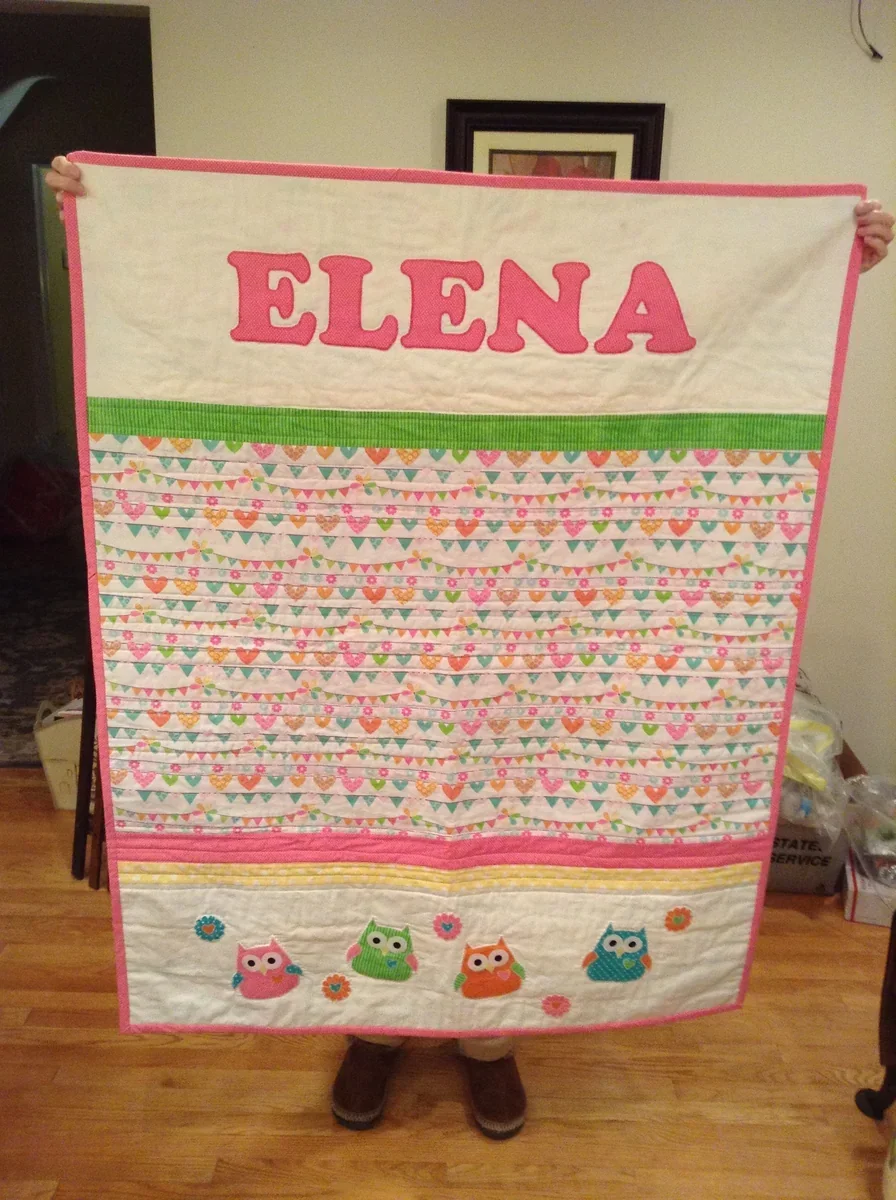
Read the finished name slowly from left to right, or from top to bottom if the design is vertical. Compare it with the confirmed spelling, then inspect the back as well as the front. The back can reveal skipped stitches, loose thread tails, uneven quilting, or a seam that needs reinforcement.
Take a clear photograph of the completed layout and note the materials used. This record can help explain the design later, especially if the quilt becomes a family keepsake. If the quilt is intended for a child who will handle it independently, repeat the loose-part and seam checks as the textile ages.
Baby Name Quilt Pattern FAQ
What is a baby name quilt pattern?
A baby name quilt pattern is a plan for placing a child’s name into quilt blocks, a fabric panel, embroidery, appliqué, or pieced lettering. Start by writing the exact name and sketching the full layout.
How do I fit a long name on a quilt?
Use a wider central panel, two balanced rows, or smaller but still readable letters. Test the name with paper blocks before cutting fabric, and add spacing for borders and seams.
Should the quilt include a full name or just a first name?
Either can work. Choose a first name for a simpler focal point, or use a full name when the quilt has enough space and the family wants a more formal keepsake. Confirm the preferred spelling first.
What makes quilt letters easy to read?
Clear contrast, simple letter shapes, consistent spacing, and a background without heavy visual detail improve readability. Print the planned design small to see whether the name still stands out.
Can a baby name quilt be used in an infant’s sleep space?
Don’t assume it is suitable for unattended infant sleep. Keep quilts with loose threads, raised decorations, or detachable parts out of reach, and follow current guidance from the child’s caregiver and health authorities.
Final Thoughts
The strongest baby name quilt pattern begins with an accurate name, a tested paper layout, readable contrast, and realistic space for seams and borders. Review every letter before cutting, inspect the finished quilt for loose parts, and treat the completed design as a meaningful keepsake that should match the child’s age and intended use.