The best crochet pattern for baby blanket is usually a simple, tightly worked design with a gentle texture, secure edges, and no loose decorations. Choose a pattern you can check easily, make it an appropriate size, and treat the finished blanket as supervised-use or caregiver-use bedding unless current safety guidance says otherwise.
Choosing a crochet blanket pattern for a baby is less about finding the most complicated stitch and more about matching the design to the baby’s age, the blanket’s purpose, and the maker’s skill. A calm stitch pattern can be easier to inspect, wash, repair, and finish neatly.
In this guide, “best” means practical rather than decorative: a pattern with clear instructions, an even fabric, a secure border, and a sensible plan for supervised use. You’ll also learn how to check size, texture, yarn behavior, loose ends, and storage before the blanket reaches a baby.
Beginner pattern checks
Supervised use
What Makes a Crochet Pattern Good for a Baby Blanket?
The best crochet pattern for baby blanket is one that creates a stable, comfortable fabric without difficult-to-check openings. A pattern should also explain its stitch repeat, turning method, border, finishing, and yarn requirements clearly enough for a beginner to follow without guessing.
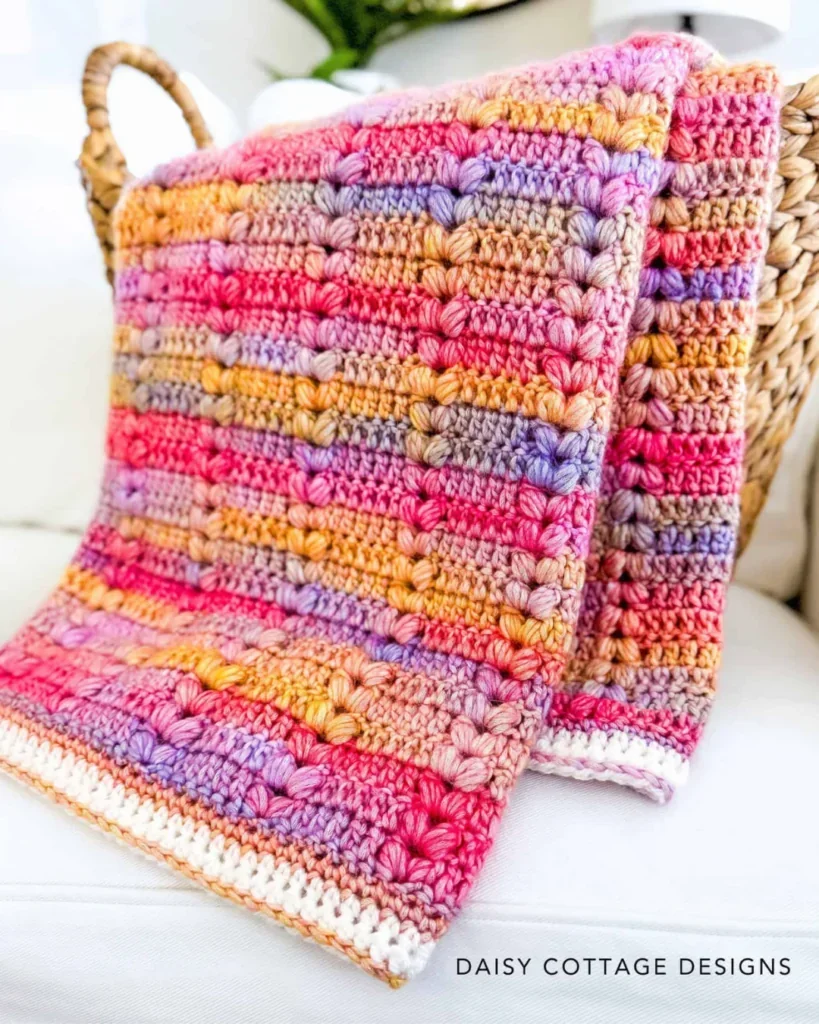
Texture matters because raised stitches can make a blanket attractive, but very open lace-like spaces, long loops, fringe, beads, buttons, and added cords create more things to inspect. A simpler fabric often gives you fewer loose areas to monitor and makes washing and repair more straightforward.
“Soft” is not a complete pattern requirement. Comfort depends on the finished fabric, the yarn’s care instructions, the baby’s skin, and how the blanket is used. If a swatch feels scratchy, stiff, excessively fuzzy, or too warm for the intended setting, change the plan before making the full blanket.
Decide whether it is for a lap, stroller, play mat, gift display, or supervised cuddle time.
Make a small swatch and inspect its texture, gaps, stretch, and edge behavior.
Secure every tail, examine the border, and remove decorations that could detach.
Prepare Before You Crochet
Preparation starts with the blanket’s use, not the stitch name. Write down where the blanket will be used and who will supervise it. A blanket for a caregiver’s lap has different practical needs from one used briefly during floor play or a family photograph.
Gather the pattern, yarn, crochet hook specified by that pattern, scissors, a blunt finishing needle, and a way to record your rows. These are working materials, not safety guarantees. The pattern’s instructions still need to be checked against the fabric you create.
Read the entire pattern before beginning. Look for unfamiliar abbreviations, repeated sections, color changes, border instructions, and finishing directions. A pattern that looks short may still require careful counting. If the instructions do not explain how to secure ends or handle the border, plan an extra inspection before use.
Step-by-Step Method for Choosing the Pattern
Use a swatch-and-check method before committing to the full blanket. This catches problems early, when changing the stitch or hook is easier than undoing many rows.
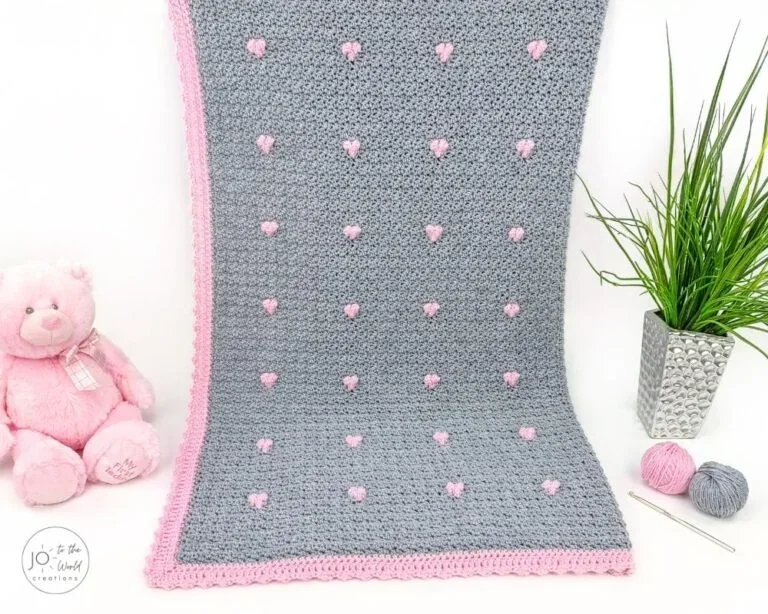
Choose a manageable stitch. Start with a pattern whose repeat you can explain in your own words. A repeated basic stitch is often easier to count and repair than a design with many changing rows.
Make a swatch. Crochet enough rows to see the fabric’s true behavior. Check whether it curls, stretches, feels rough, forms large openings, or becomes too dense.
Test the edge. Add a short sample border if the pattern includes one. The border should lie flat, avoid sharp or dangling additions, and connect securely to the main fabric.
Record your choices. Note the hook, stitch count, row count, and any changes. This makes it easier to reproduce the fabric or repair a section later.
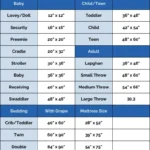
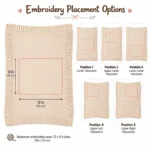
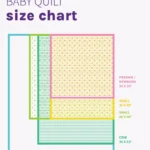
Use the baby blanket measurement chart as a planning reference, but treat the finished dimensions as a use decision rather than a promise that one size fits every situation.
Size, Texture, and Safety Checks
Check the blanket’s finished size, fabric openings, and attachments before calling the project complete. A smaller blanket may be easier to handle, while a larger one may be useful for supervised floor play or caregiver use. The correct choice depends on the routine, not only on the pattern label.
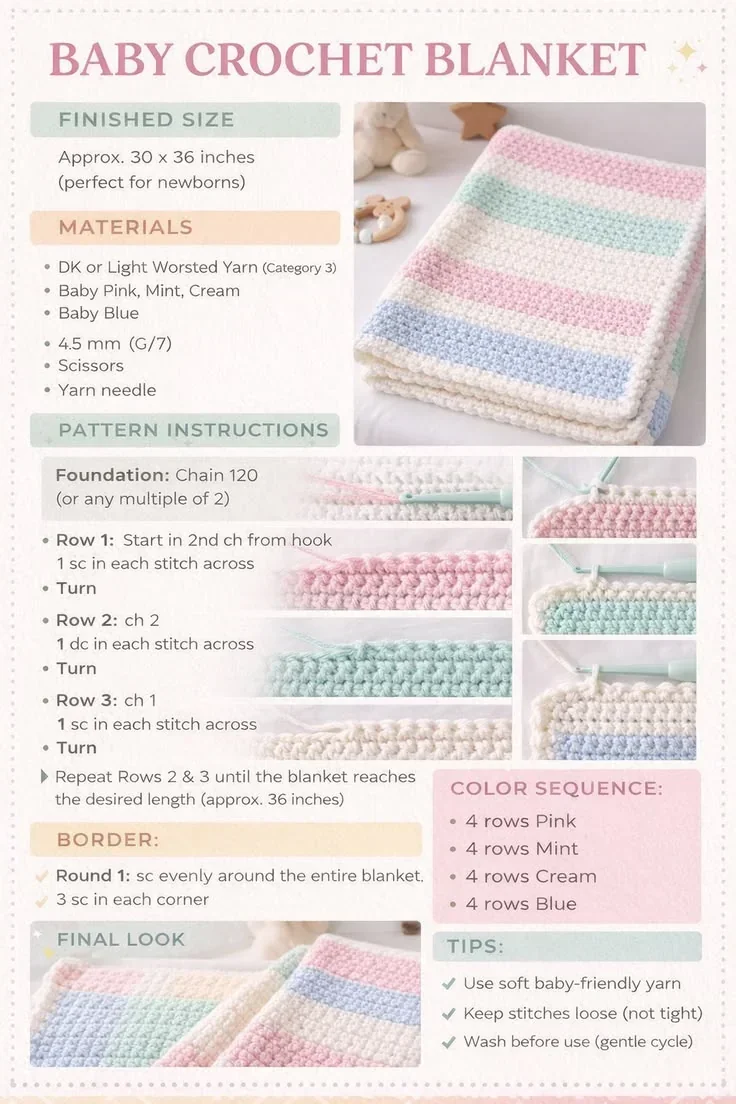
Do not assume that a crochet baby blanket is suitable for unsupervised infant sleep. The American Academy of Pediatrics is not cited here because no verified source was retrieved for this article; for current U.S. safe-sleep guidance, consult the U.S. Consumer Product Safety Commission safe-sleep guidance. For a plain-language discussion of timing, see when a baby can have a blanket.
Keep loose appliqués, beads, buttons, long fringe, ribbons, and detachable decorations away from a baby’s reach. Stop using the blanket if you find a broken strand, pulled loop, unraveling edge, or loose finishing tail.
Choose this approach if
You want a calm project, can count a repeat consistently, and need a blanket that is easy to examine and maintain.
Avoid this approach if
The pattern depends on loose loops, delicate decorations, unclear finishing, or a texture you cannot inspect confidently.
Care, Storage, and Troubleshooting
Inspect the blanket before and after washing, and store it clean and fully dry. Follow the care directions associated with the yarn and finished item. Avoid guessing that every crochet fabric can tolerate the same water temperature, agitation, drying method, or stain treatment.
Check seams, corners, borders, and color-change areas. These are practical inspection points because they may contain more ends or tension changes than the middle of a plain row. If a thread tail appears, secure it before the blanket returns to use; don’t simply cut it short and assume the problem is solved.
Store the blanket away from moisture, pets, and objects that could snag the yarn. Folding is generally simpler than hanging when the fabric stretches easily. If the blanket develops persistent damage that cannot be repaired securely, retire it from baby use rather than treating appearance alone as the deciding factor.
Common Mistakes to Avoid
The most common mistake is choosing a visually impressive pattern before checking its fabric and finishing details. A beautiful stitch may be frustrating if the repeat is difficult to count or the open spaces do not suit the intended routine.
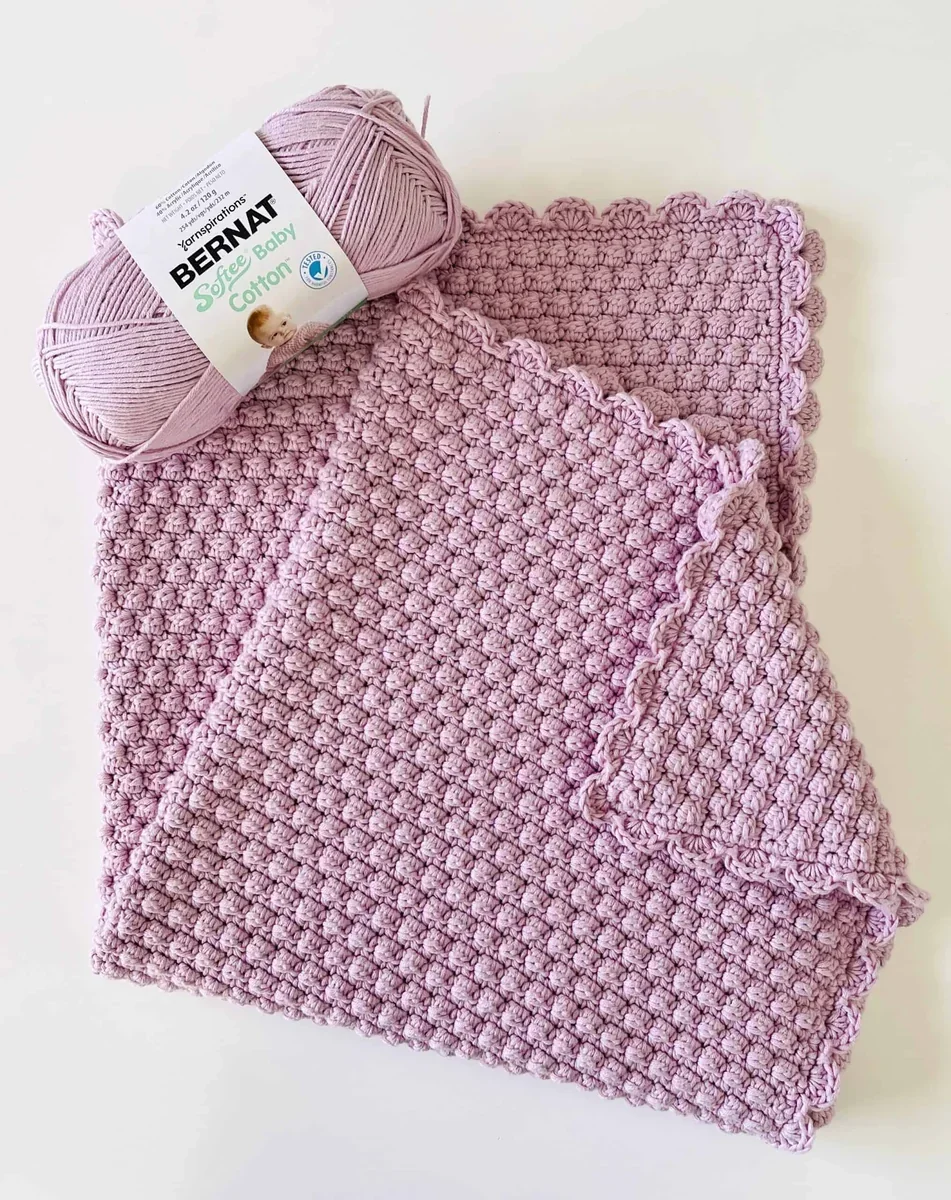
Another mistake is relying on the pattern’s stated dimensions without measuring your own work. Tension, hook choice, yarn behavior, and row count can change the result. Measure after a short section and adjust early if the fabric is moving away from your plan.
Finally, don’t hide loose ends under a border without securing them. The finishing stage is part of the pattern, not an optional decoration. A neat, stable finish supports easier inspection and longer use.
If the blanket is a gift, include a small care note describing the yarn’s care method and the intended supervised use. You can also explore what a security blanket is for babies when deciding how to describe the item’s purpose.
Frequently Asked Questions
What is the best crochet stitch for a baby blanket?
A simple, stable stitch with a texture you can inspect is a practical choice. Make a swatch first, then check its gaps, stretch, softness, and edge behavior.
Can a crocheted baby blanket be used in a crib?
Don’t assume it is suitable for unsupervised infant sleep. Check current safe-sleep guidance and use the blanket only in situations that match that guidance.
Should a crochet baby blanket have fringe?
Fringe is not necessary. For a baby-focused project, a plain secure edge is easier to inspect than long strands or decorative attachments.
How do I know if my crochet blanket is finished safely?
Inspect the entire blanket for loose tails, pulled loops, unraveling edges, sharp additions, and detachable decorations. Repair any problem before use.
Why should I crochet a swatch first?
A swatch shows how your tension and materials create the actual fabric. Use it to check size, drape, texture, openings, curling, and comfort before continuing.
Final Thoughts
The best crochet pattern for baby blanket is the one you can make evenly, finish securely, inspect completely, and use for an appropriate supervised purpose. Start with a swatch, choose a manageable texture, measure your work, and check every edge before the blanket becomes part of a baby’s routine.