Quick Answer: Baby quilts and memory blankets are fabric keepsakes made for comfort, display, storytelling, or supervised use. Check their construction, size, condition, and intended setting before use. Keep loose blankets and quilts out of an infant’s sleep space unless current professional guidance says they’re appropriate.
Baby Quilts & Memory Blankets can mark a birth, celebrate a family story, or preserve clothing and fabric from an important season. They may look similar, but their purpose can differ. A practical baby quilt may be made for supervised awake time, while a memory blanket is often designed mainly as a keepsake. Understanding that difference helps caregivers protect both the child and the textile.
Memory blankets
Keepsake care
Infant safety
What Are Baby Quilts and Memory Blankets?
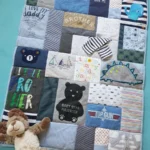
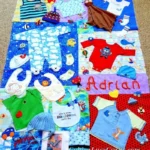
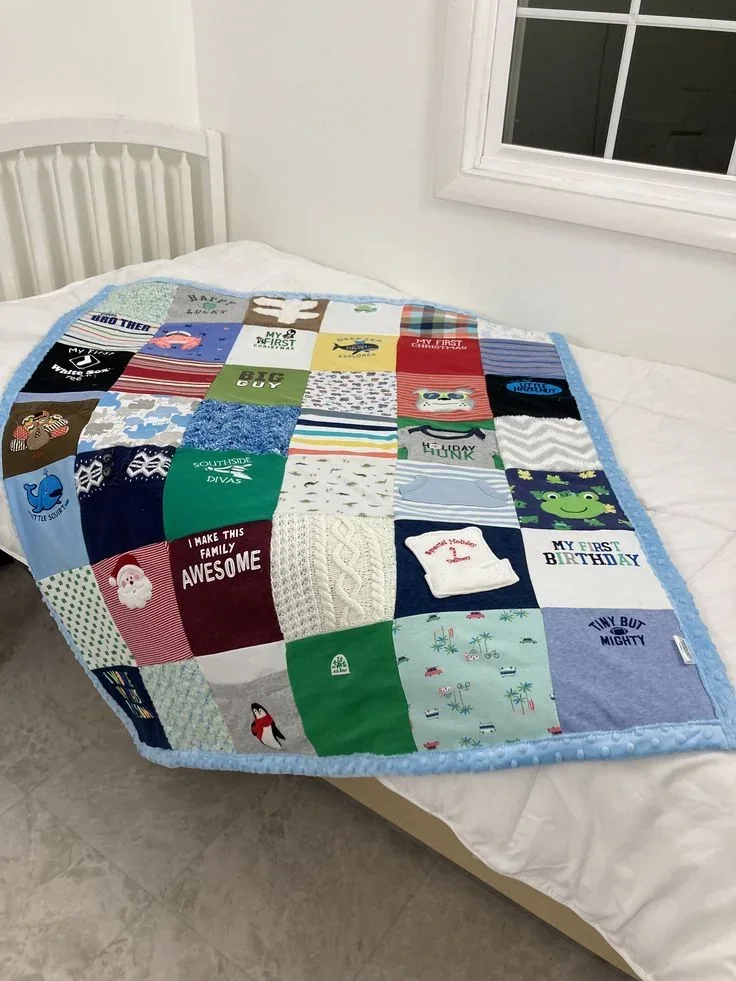
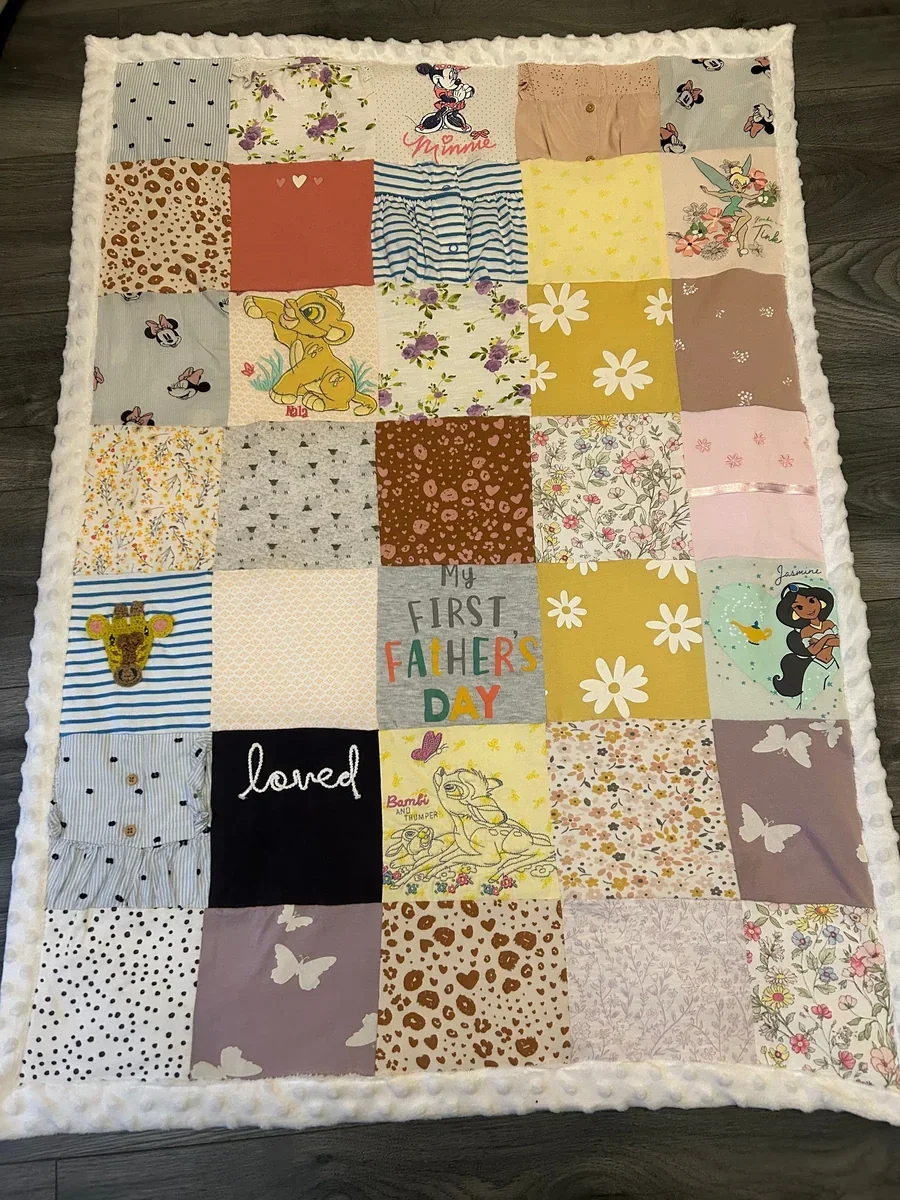
Baby quilts are layered fabric coverings, while memory blankets are keepsakes that preserve personal memories through fabric, labels, embroidery, or photographs. The terms can overlap, but the intended use matters more than the name. A quilt may have a fabric top, a middle layer, and a backing joined by stitching. A memory blanket may use squares from baby clothes, receiving blankets, family garments, or other meaningful textiles.
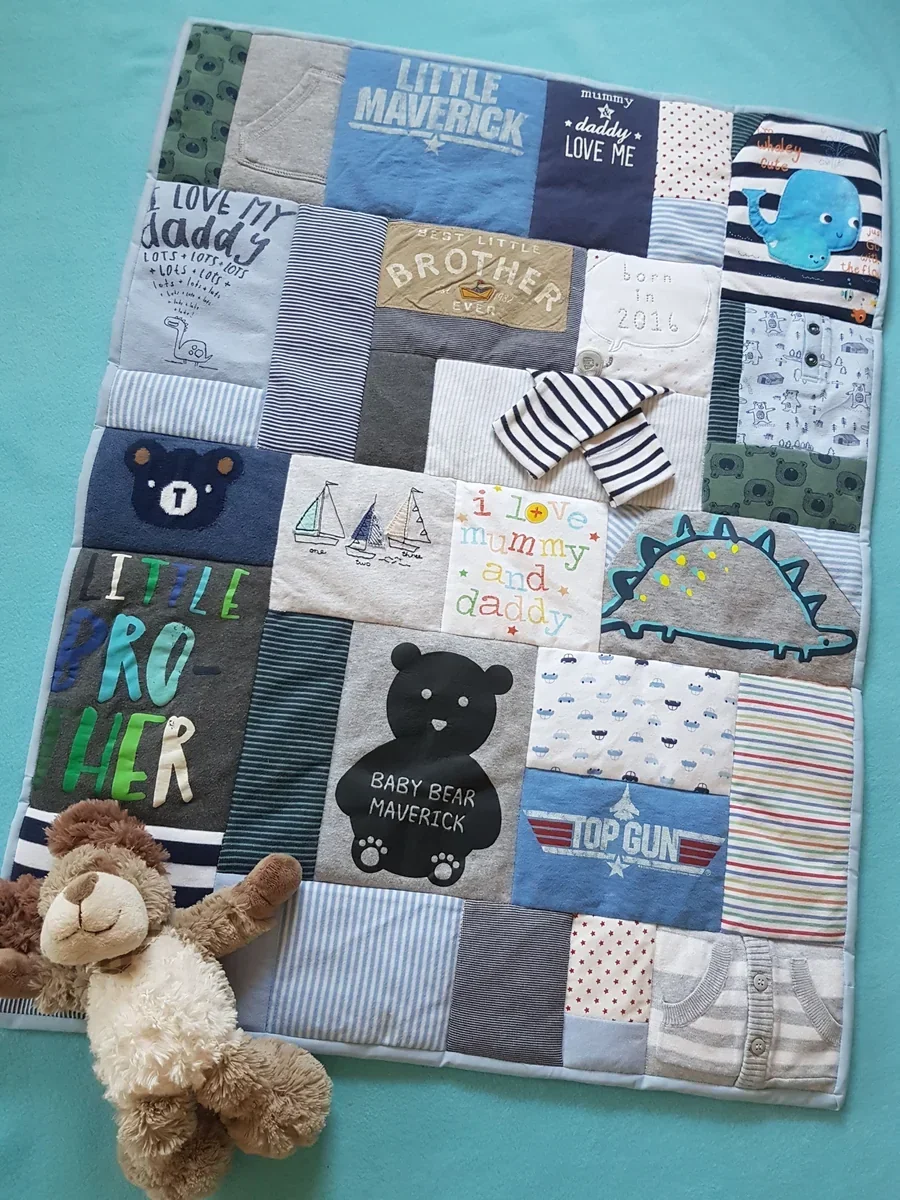
Construction affects care. Firm stitching can help layers stay together, but older fabric, stretchy clothing, decorations, and attached ribbons can create weak points. A blanket made from sentimental clothing may also have uneven thickness or fragile seams. Those features don’t automatically make it unsafe, but they do mean the item deserves a careful inspection before a child handles it.
Think of the blanket as both a textile and a record of family history. The best first question is not “Can this go in the crib?” It is “What was this made for, and what condition is it in?” A display keepsake can be protected differently from a washable play blanket.
Prioritize preservation, gentle handling, and limited washing.
Prioritize stable seams, washable materials, and constant adult attention.
Do not assume a quilt or blanket belongs in a sleep space.
How They Fit Into a Baby’s Routine
Use Baby Quilts & Memory Blankets according to their purpose, not simply because they are labeled “baby.” During supervised awake time, a clean, flat quilt may be part of a floor activity area if an adult remains close and the surface is suitable. A memory blanket may instead be placed beside a child for a photograph, story, or family ritual, then stored safely afterward.
Infant sleep is a separate question. Loose blankets, quilts, and soft objects can change the conditions around a sleeping infant. The U.S. Consumer Product Safety Commission provides safe-sleep guidance at CPSC Safe Sleep. For a specific child or medical situation, ask the child’s pediatric clinician rather than treating a decorative or sentimental item as sleep equipment.
Age alone doesn’t answer every use question. A baby’s movement, ability to pull fabric, and sleeping arrangement can change the risk. If you’re wondering about general blanket timing, this guide to when a baby can have a blanket can provide a separate starting point. Keep supervised awake use, transport, and sleep decisions distinct.
Never use a sentimental appearance as proof of sleep suitability. A quilt can be beautifully made and still be inappropriate as a loose item in an infant’s sleep area.
Inspection Checklist Before Use
Inspect the entire blanket in good light before every new use, especially when it has been stored for a long time. Look at the front, back, edges, and any appliqués. Run your fingers lightly over seams to find loose threads, lifted patches, sharp fasteners, or areas where batting is escaping.
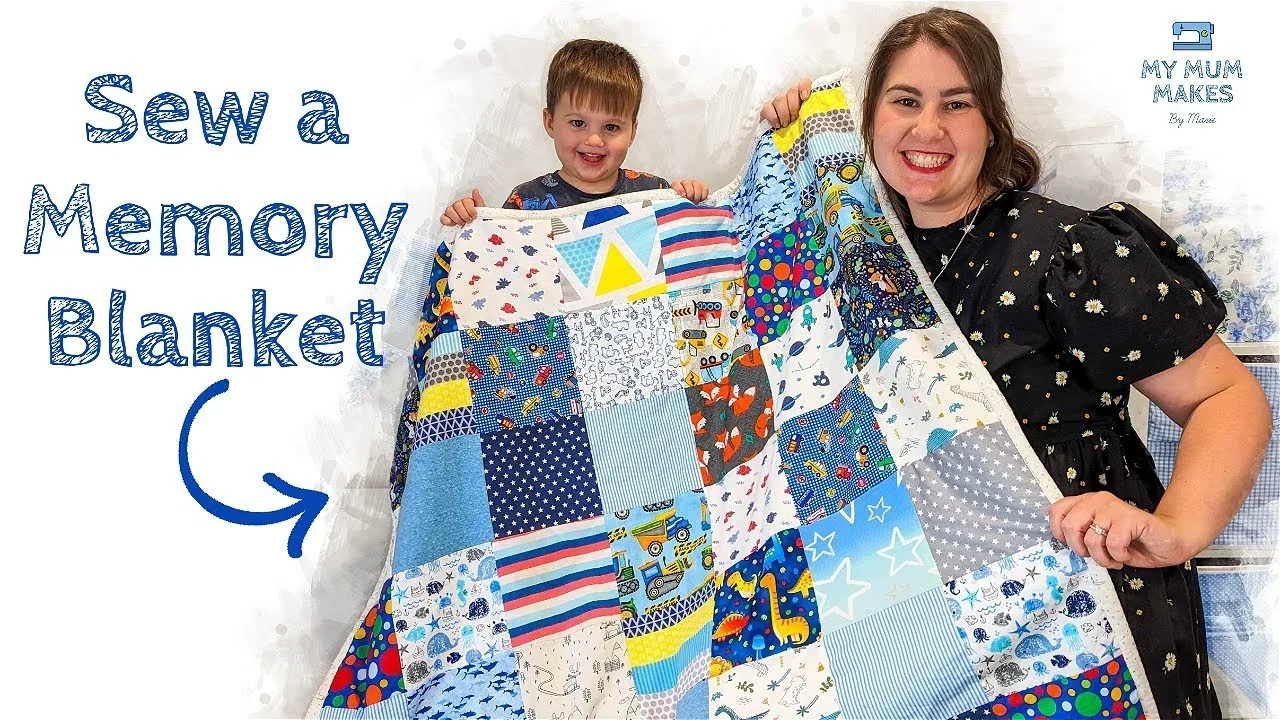
Pay special attention to items made from old clothing. Stretch fabric may loosen around stitching, and small decorative pieces may separate after repeated washing. A label, button, zipper, bead, or ribbon deserves extra scrutiny because a loose part can become a hazard. If you can’t identify how a decoration is attached, keep the blanket for display until it can be assessed or repaired.
Cleaning, Drying, and Storage
Follow the textile’s care label when one exists, and use the least aggressive cleaning method that meets the need. A new spit-up mark on a washable everyday quilt is different from a decades-old memory blanket made with fragile fabric. Before cleaning a keepsake, photograph it and note loose areas, stains, and special materials.
Do not assume that all layers shrink, release color, or tolerate heat at the same rate. Strong agitation can stress seams, while high heat may change fabric size or damage older fibers. If the care instructions are missing and the blanket is valuable for sentimental or historical reasons, pause before washing and seek advice from a textile-care professional.
Dry the item completely before storage. Damp folding can encourage odor and fabric damage. Store a keepsake clean and dry, away from direct sunlight, food, pets, and areas where it may be pulled or crushed. Avoid sealing a slightly damp blanket in plastic. Fold along gentle lines, or use a breathable protective layer if long-term storage is the goal.
For an heirloom made from baby clothes, keep a written note with the original fabrics, known dates, and any cleaning history. That record helps future caregivers avoid an unsuitable wash cycle.
Making a Memory Blanket Meaningful
A memory blanket becomes more useful when its story is recorded as carefully as its fabric is stitched. Add a note describing who wore the clothing, why certain squares matter, and whether any pieces need special handling. This information can be kept separately if adding labels to the textile would damage it.
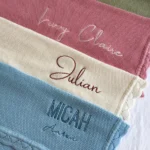
Personal details might include a birth year, a family phrase, a favorite color, or a short message. If you’re choosing wording for a name-themed keepsake, see these baby blanket name ideas for inspiration without treating a decorative phrase as a safety feature.
Keep embellishment proportional to the blanket’s purpose. Flat, secure stitching is easier to inspect than many raised decorations. Avoid adding anything that could detach during handling, particularly if a baby will touch the blanket during supervised activity.
Helpful record
Write down fabric sources, dates, names, and care limits. A simple record protects the story when the blanket changes hands.
Avoidable mistake
Don’t sew sentimental items together without first checking colorfastness, fabric strength, and how the layers will be cleaned.
Common Problems and Practical Fixes
Most blanket problems should be handled by stopping, inspecting, and identifying the cause before attempting a repair. Pulling a loose thread can enlarge a hole. Scrubbing an old stain can weaken the surrounding fabric. A quick fix is not always a safe or preservation-friendly fix.
Choose display-only use when the fabric is brittle, the stitching is failing, or the item cannot be cleaned without risking damage. Contact a textile conservator or experienced repair professional when the blanket is irreplaceable, materially damaged, or made from fabrics with unknown care needs.
Size, Fit, and Use Checks
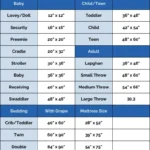
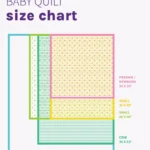
Measure a blanket for the setting where it will be used, but don’t treat a familiar size as proof that the setting is safe. A small lap or floor quilt may be easier to supervise than a large blanket that bunches or trails. A memory blanket intended for display can be larger because it doesn’t need to be handled by a baby.
For basic dimensions, compare the item with this baby blanket measurement chart. Use measurements as an organizing tool, not as a substitute for checking the child’s environment, the blanket’s construction, and the intended activity.
Before supervised use, place the blanket on a clean, stable surface and remove nearby objects that could catch on it. Stay close enough to respond promptly. Fold or store it immediately after the activity rather than leaving it loose in a crib, bassinet, stroller, or other space where its role may be misunderstood.
A Simple Care Routine
Identify the purpose. Mark the item as keepsake, supervised-use textile, or display-only.
Inspect it. Check seams, edges, layers, decorations, and odors before handling.
Clean carefully. Follow known care instructions and avoid experimenting on irreplaceable fabric.
Store with a record. Keep the blanket dry, protected, and accompanied by its story and care limits.
Frequently Asked Questions
Are baby quilts and memory blankets the same thing?
No. A baby quilt describes a layered textile, while a memory blanket emphasizes personal history or keepsake value. One item can be both. Next, identify the blanket’s intended use.
Can a baby sleep with a memory blanket?
Don’t assume so. Loose quilts and blankets may not be suitable for an infant sleep space. Check current safe-sleep guidance and ask a pediatric clinician about individual circumstances.
How should I wash a memory blanket?
Follow its care label and use the gentlest suitable method. If the fabric is old, fragile, or undocumented, pause before washing and seek textile-care advice.
What should I check before using a baby quilt?
Check seams, edges, decorations, fabric strength, odors, and loose threads. Stop use if a part is detaching or the construction is failing.
When should a memory blanket be display-only?
Choose display-only use when fabric is brittle, seams are opening, decorations are loose, or cleaning could cause damage. Ask a textile professional about valuable items.
Final Thoughts
Baby Quilts & Memory Blankets can hold comfort, creativity, and family history. Start with purpose, inspect before use, separate supervised activity from infant sleep, and clean or store each textile according to its condition. When in doubt, protect the keepsake first and ask for qualified textile or pediatric guidance.