Quick Answer: A practical baby blanket crochet size is about 30 by 36 inches, but the best dimensions depend on the blanket’s use. Choose a smaller size for a stroller or supervised cuddle, and a larger size for floor play. Measure your gauge before adding rows or repeating a pattern.
A baby blanket crochet size guide helps you turn a pattern, yarn, and stitch repeat into a useful finished blanket. Crochet blankets can stretch, curl, or grow slightly during washing, so the stitch count alone doesn’t tell you the final size. Start with the intended use, then confirm your gauge and finished measurements.
Baby blanket dimensions
Gauge and stitch repeats
What size should a crocheted baby blanket be?
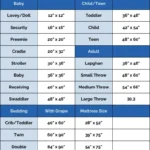
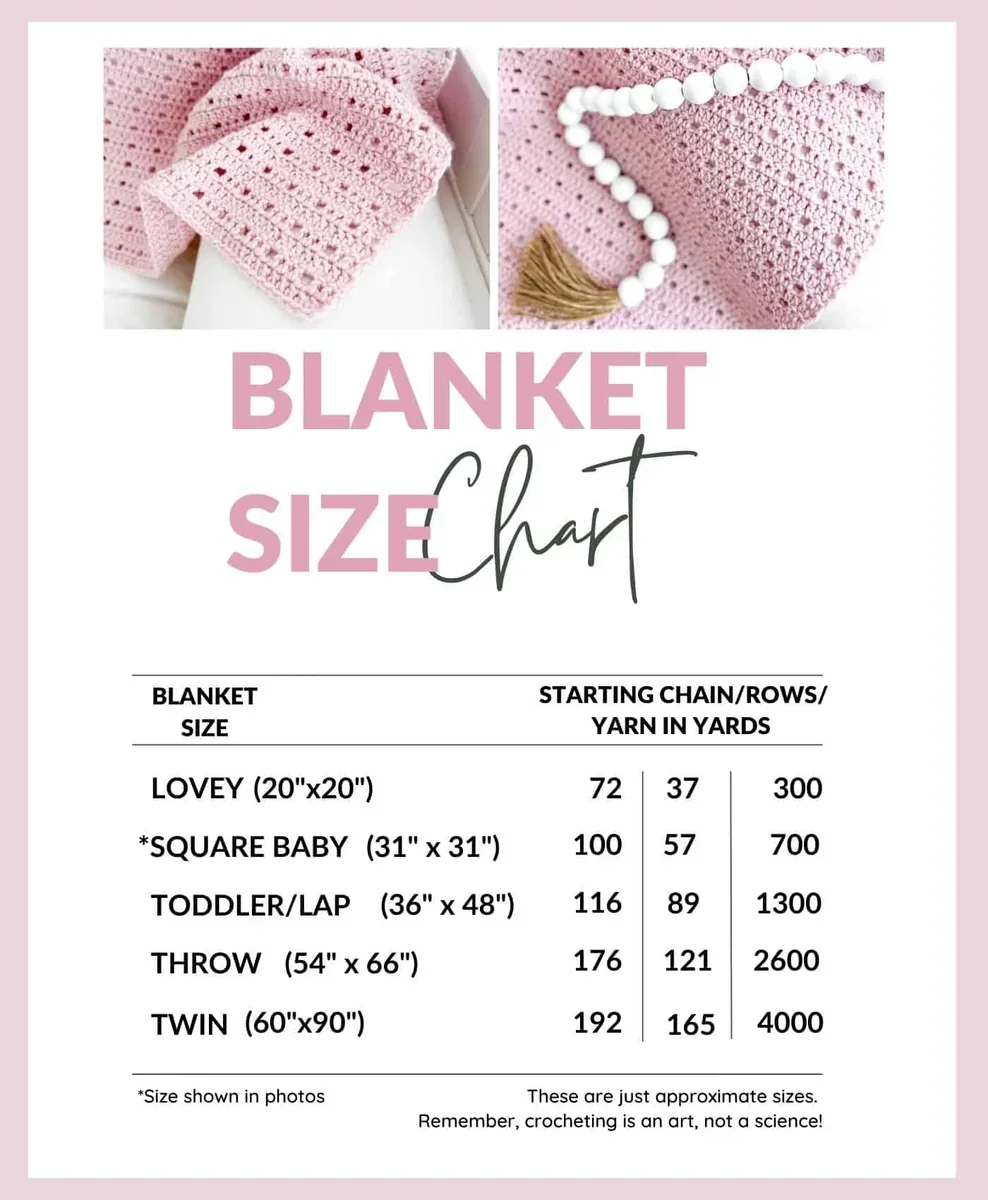
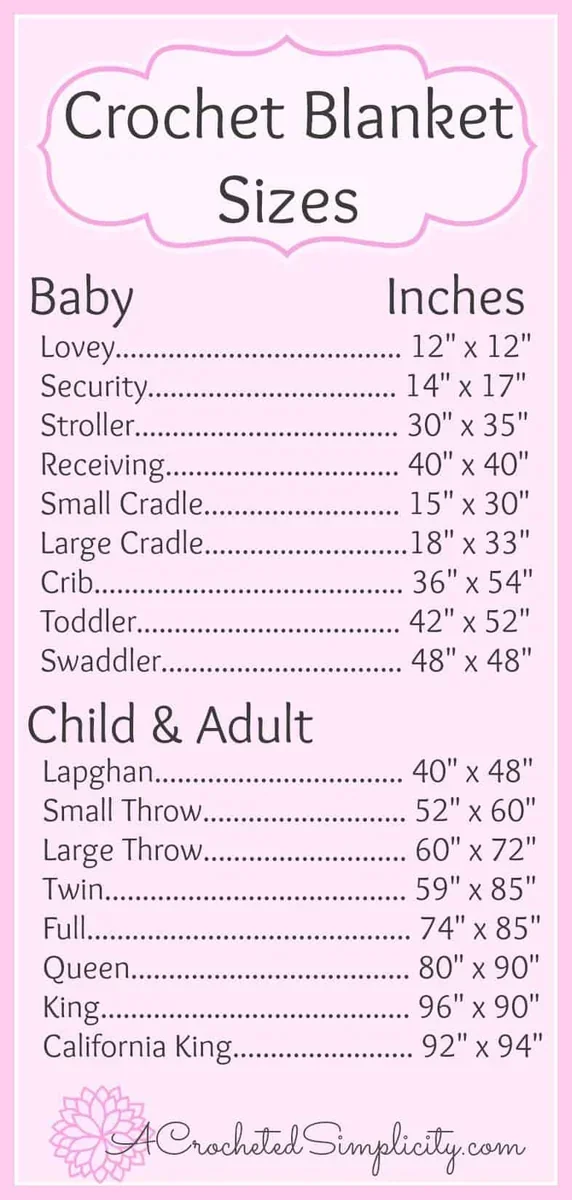
A crocheted baby blanket doesn’t have one required size. A useful starting point is a rectangle around 30 by 36 inches, while smaller blankets may measure near 24 by 30 inches and larger play blankets may be closer to 36 by 45 inches. These are planning examples, not fixed rules. The right choice depends on whether the blanket will be held, placed over a lap during supervised use, used in a stroller, or spread on the floor for play.
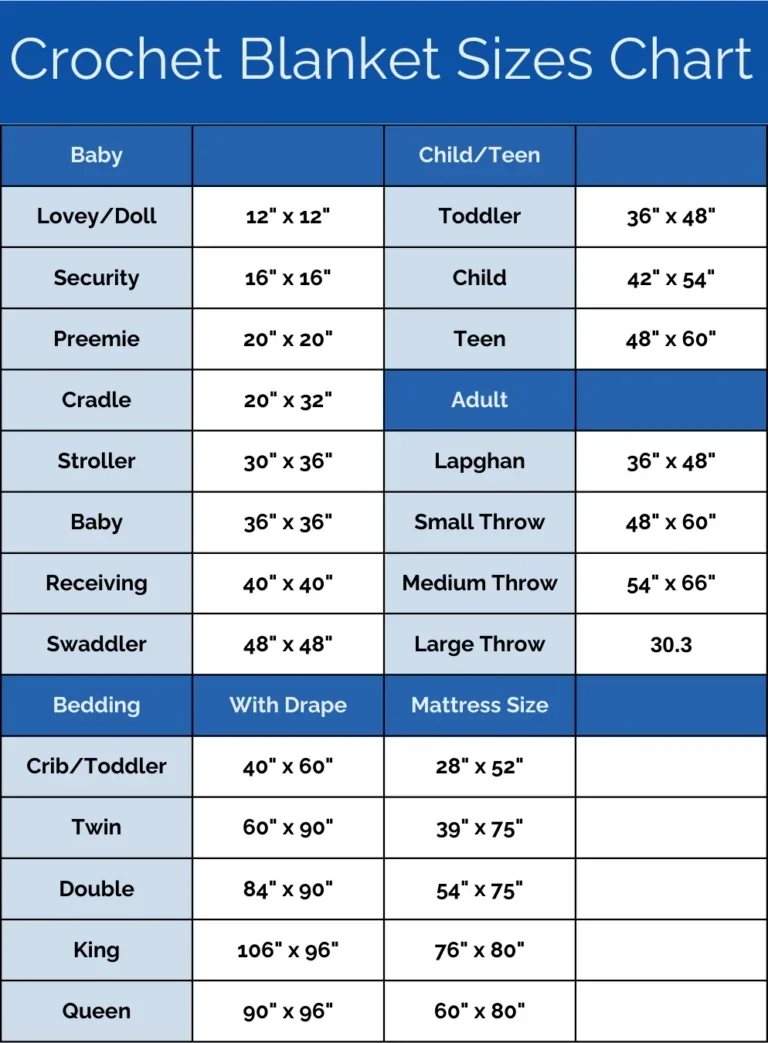
Think about coverage rather than age alone. A narrow blanket may be easier to fold and carry, while a wider one gives more room for floor play. A square blanket can be simple to design, but a rectangular blanket often gives more length without using the same amount of width. If you already know the desired dimensions, a baby blanket measurement chart can help you compare common planning sizes before choosing a pattern.
Match the dimensions to the intended use
The use case should come before the stitch pattern. A blanket made for a supervised cuddle does not need the same footprint as one used for floor play. Oversizing can make a blanket bulky and harder to fold; undersizing can leave little room around a moving baby during play. Decide where the blanket will be used, then write down the target width and length before beginning.
Choose smaller when
You want a lightweight piece for holding, folding, or a compact travel routine. Keep the finished edge easy to inspect, especially if the pattern includes fringe, loops, or raised decorations.
Choose larger when
The blanket needs more floor coverage during supervised awake play. Confirm that the surface underneath is suitable and that the blanket remains flat rather than bunching into thick folds.
A simple sizing path
Holding, stroller, supervised play, or gifting
Set width and length in inches
Measure stitches and rows
Measure again before finishing
How gauge changes crochet blanket size
Gauge is the number of stitches and rows that fit into a measured area. If your stitches are smaller than the pattern’s gauge, the blanket may finish narrower. If your stitches are larger, the same stitch count may create a wider blanket. Hook size, yarn thickness, tension, stitch type, and whether the fabric is relaxed can all affect the result.
Make a small gauge swatch using the same yarn and stitch pattern planned for the blanket. Measure the center area rather than the outer edge, because borders can be tighter or looser. If your pattern has a stitch repeat, keep the starting chain or foundation count compatible with that repeat. A blanket can reach the planned width but still have an uneven edge if the repeat is interrupted.
Beginner check
Lay the swatch flat without stretching it. Count stitches across a known width, then measure rows over a known height. If the fabric feels tight, curled, or visibly different from the intended texture, correct the gauge before starting the full blanket.
Step-by-step method for planning the size
Use this process when you’re adapting a pattern or designing a simple rectangle. It prevents the common mistake of crocheting many rows first and discovering that the blanket is much wider or narrower than expected.
Write the target dimensions. For example, choose 30 inches wide by 36 inches long for a general-purpose planning example.
Make and measure the gauge swatch. Record stitches per inch and rows per inch, using relaxed fabric rather than pulling it tight.
Calculate the starting stitches. Multiply the target width by stitches per inch, then adjust to the pattern’s repeat. Round only in a way that keeps the edge balanced.
Work rows and remeasure. Check the width after several rows and again before the border. Crocheting tension can change as your hands warm up or fatigue.
Measure the finished piece. Check the blanket flat, including the border but excluding loose fringe if it changes the practical footprint.
Safety and use checks before giving a blanket
Blanket dimensions don’t determine whether a blanket is suitable for every situation. Keep infant sleep separate from supervised awake use. A crocheted blanket should not be treated as a loose item for an infant’s sleep space. For a broader explanation of age and blanket use, read when a baby can have a blanket, and follow current guidance from the child’s health-care provider for individual concerns.
Before use, inspect the entire fabric. Look for loose ends, open joins, detached decorations, long loops, or a border that could catch fingers. Check that the blanket is clean, dry, and free from damage. Use it only in the setting you intended, with active adult supervision when appropriate.
Safety Note
A larger blanket isn’t automatically better. Extra fabric can bunch, drag, or become difficult to monitor. If you can’t keep the blanket flat and within your view during awake use, choose a smaller design or remove it from that activity.
Common sizing mistakes and practical fixes
The most common problem is measuring only at the beginning. A foundation chain may be correct, but uneven tension can change the width as the blanket grows. Another frequent mistake is forgetting the border. A wide border can add several inches to the finished dimensions, while a tight border may pull the corners inward.
Care, washing, and storage checks
Care can change the final dimensions, especially when crochet fabric relaxes after washing. Follow the yarn label and pattern instructions for cleaning, and test a small swatch if the care method is unfamiliar. Avoid guessing that every fiber reacts the same way. Heat, agitation, and stretching can affect texture, drape, and shape.
Dry the blanket fully before storing it. Fold it loosely enough that raised stitches and borders aren’t crushed for long periods. Recheck the fabric after washing: if a seam loosens, a decoration detaches, or the shape becomes difficult to control, stop using it for baby care until it is repaired or removed from the routine.
Useful habit
Record the blanket’s width and length before its first wash. Measuring it again afterward helps you notice stretching or shrinkage and gives you a more reliable size reference for future crochet projects.
A beginner-friendly final checklist
Before you call the blanket finished, place it flat and inspect it from edge to edge. Confirm that the width and length match your intended use, the corners lie reasonably flat, and the border hasn’t pulled the main fabric out of shape. Count stitches in a few rows if the sides look uneven.
Then inspect every end and decoration. Weave in loose yarn securely according to the pattern method, trim excess safely, and remove anything that has become detached. If the blanket is a keepsake, you can also explore what a security blanket is for babies, while remembering that sentimental use and safe use are separate decisions.
Dimension check
Measure the finished blanket flat, including the border. Compare it with the purpose you selected rather than chasing an arbitrary number.
Fabric check
Look for loose loops, open joins, rough edges, or detached details. Repair or retire the blanket if you can’t correct the problem.
Frequently asked questions
What is the most useful crochet size for a baby blanket?
A planning size around 30 by 36 inches is a practical starting point for general use. Adjust it for the intended activity, stitch repeat, border, and your measured gauge. Next, write down your target dimensions before starting.
Should a baby blanket be square or rectangular?
Either shape can work. A rectangular blanket gives more length for a selected width, while a square can simplify pattern planning. Choose the shape that fits the routine, then check the finished measurements.
Why is my crochet blanket smaller than the pattern?
Your stitches may be tighter, your yarn may differ, or the border may not be included in the stated dimensions. Measure a swatch and compare stitches per inch before changing the hook or stitch count.
Do crochet blankets belong in a baby’s sleep space?
Don’t use a size guide as permission to place a loose crochet blanket in an infant sleep space. Keep sleep decisions separate from supervised awake use and check current professional guidance for your situation.
How do I stop a crochet baby blanket from becoming uneven?
Check the stitch count at row ends, maintain the repeat, and measure the width during the project. If the edge waves or curls, pause before adding a border and identify the cause.
Final thoughts
The best baby blanket crochet size guide starts with use, not a label. Choose a target width and length, measure your gauge, account for the border, and inspect the finished fabric before use. A careful measurement check makes the blanket more practical and easier to monitor.