Babies are wrapped in blankets to provide warmth, comfort, and a snug feeling that may calm them. Wrapping is mainly for supervised awake care or carefully managed swaddling, not loose blankets in an infant’s sleep space.
If you have wondered why are babies wrapped in blankets, the short explanation is that wrapping can help a baby feel warm, contained, and settled during certain routines. It can also make holding, feeding, or moving a baby feel more secure for a caregiver.
However, a blanket is not automatically safe just because it feels soft. The baby’s age, movement, temperature, supervision, and sleeping location all matter. This guide separates ordinary comfort wrapping from swaddling and from the use of a security blanket, which is a different topic covered in our guide to what a security blanket is for babies.
Swaddling basics
Warmth checks
Why are babies wrapped in blankets?
Babies are wrapped because gentle layers can support warmth and create a familiar, contained feeling. Newborns are still adjusting to life outside the womb. They may startle easily, wave their arms, or become unsettled when tired. A correctly used wrap can reduce loose movement around the arms for a short period and may make holding or calming easier.
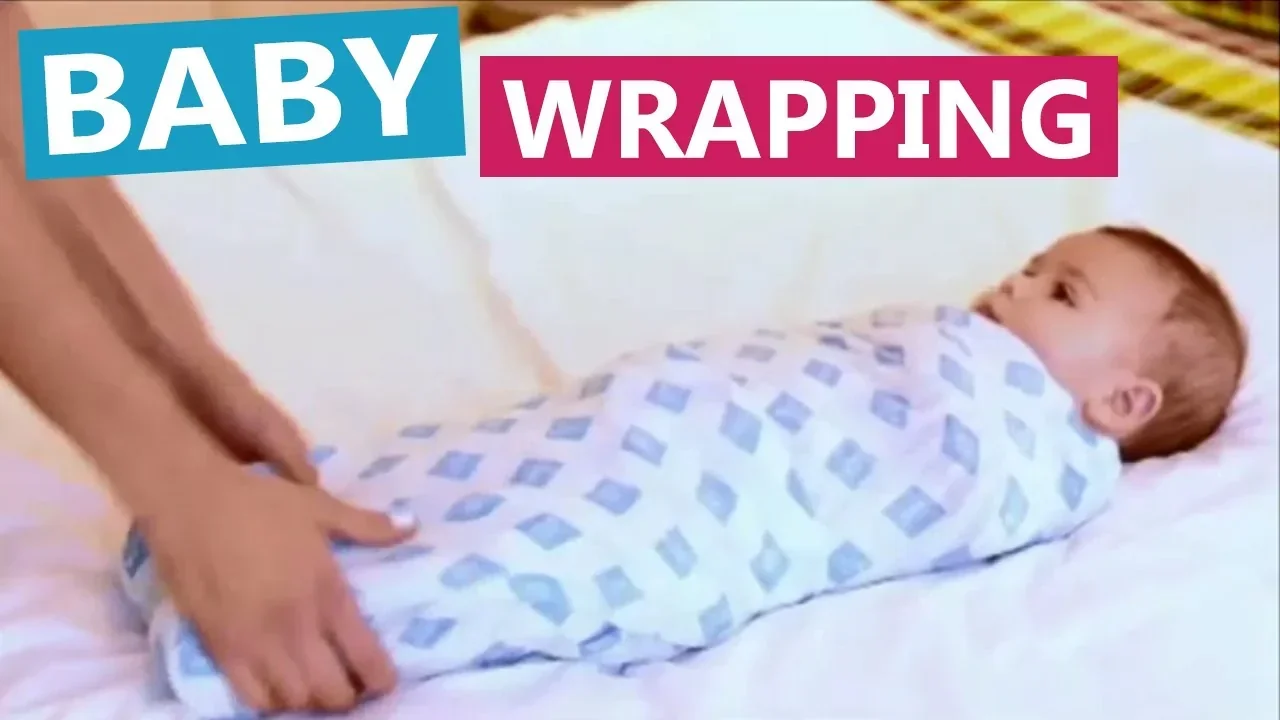
Wrapping also has a practical purpose during supervised awake time. A caregiver may use a blanket while carrying a baby from one room to another, sitting together, or offering comfort after feeding. In these situations, the adult can watch the baby’s face, breathing, body position, and temperature.
The important distinction is between a blanket used by an attentive adult and a loose blanket left with a baby. A loose covering can move toward the face, become tangled, or add warmth the baby cannot remove. That is why the same blanket may be reasonable for a brief, supervised cuddle but unsuitable as loose bedding.
Check the baby’s body, not just cold hands or feet.
Use a calm, snug feel without pressing on the chest or hips.
Keep the face clear and stop wrapping when movement changes.
How wrapping may help a baby feel settled
Wrapping may feel calming because it limits some sudden arm movement and gives the baby gentle physical boundaries. A newborn’s startle response can cause the arms to move quickly. When this happens during a quiet routine, the baby may wake or cry. A snug wrap can make those movements feel less abrupt, although it will not soothe every baby.
Some babies prefer their arms free, while others become more relaxed when their arms are held close. The baby’s response matters. If the baby cries harder, fights the wrap, becomes sweaty, or seems uncomfortable, stop and reassess rather than tightening it.
Wrapping should never be used to force stillness. The hips and legs need room to bend and move. The chest also needs to expand normally with breathing. A simple beginner check is to look for a calm face, normal breathing, free movement of the lower body, and skin that feels comfortably warm rather than hot.
Blanket, swaddle, and security blanket are not the same
A regular blanket is a loose fabric covering. Swaddling is a wrapping method that holds the fabric around a young baby’s body. A security blanket is an object a child may seek for emotional comfort. These uses should not be mixed together. In particular, a small comfort object that is appropriate for an older child may not be suitable for an unattended infant.
How to wrap a baby more thoughtfully
Start with the setting, then use a loose, breathable wrap that leaves the face and lower body free. The goal is comfort, not pressure. If you are unsure whether wrapping fits your baby’s age or development, ask a pediatric professional to demonstrate a suitable method.
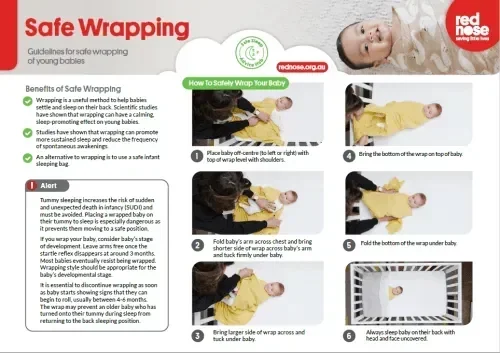
Choose a calm moment. Lay the baby on a flat, clear surface while you prepare. Do not wrap during active struggling or when the baby is already overheated.
Keep the face uncovered. Fabric should stay below the shoulders and away from the mouth and nose. Recheck this after moving or holding the baby.
Allow breathing room. The wrap should not compress the chest. Leave room for the legs to bend and move instead of pulling them straight.
Check the baby, not the room alone. Feel the chest or back for unusual heat or dampness. Remove a layer if the baby feels hot, flushed, or sweaty.
Stop when development changes. If the baby shows signs of trying to roll, discontinue arm-restricting swaddling and seek guidance about the next sleep routine.
Do not use a loose blanket as a face covering or leave it draped over an unattended infant. For sleep, keep the baby’s sleep area clear of loose bedding and follow current guidance from a qualified pediatric professional. If a baby rolls, appears short of breath, becomes unusually hot, or cannot be uncovered easily, remove the wrap and seek prompt medical advice when needed.
Age and situation change the answer
There is no single blanket rule for every baby because development matters more than a calendar age alone. A newborn who cannot roll has different movement needs from a baby who can turn, twist, or push up. Premature babies or babies with medical concerns may also need individualized advice about warmth and positioning.

For a young infant, a caregiver might wrap during a supervised cuddle and then remove the blanket before placing the baby in a sleep space. For an older, mobile baby, a loose blanket may be kicked away, pulled over the face, or tangled around the body. In that situation, the routine should change rather than relying on a tighter wrap.
Common mistakes caregivers can avoid
The most common mistake is treating warmth and safety as the same thing. A baby can feel cold in the hands while the chest is already warm. Another mistake is adding layers without checking the baby directly, especially in a warm room or when the baby is being held close to an adult.
Caregivers may also wrap too tightly, cover the shoulders, straighten the legs, or continue swaddling after the baby begins trying to roll. These actions can turn a calming routine into a movement and overheating concern. A better approach is to use the lightest amount of fabric needed for comfort and reassess often.
Pause and check
Look at the face, feel the chest or back, and watch how the baby moves. If the baby seems hot, upset, or restricted, unwrap and reset the routine.
Ask when unsure
A pediatric professional can show a suitable method, especially for premature babies, babies with health concerns, or families unsure about sleep transitions.
A practical routine for caregivers
Use wrapping as a short, purposeful part of care rather than a default covering. Before wrapping, consider whether the baby is cold, tired, being held, or simply unsettled. During the routine, keep the face visible and check the fit. Afterward, remove the blanket when supervision ends or when the baby is placed in a sleep area.
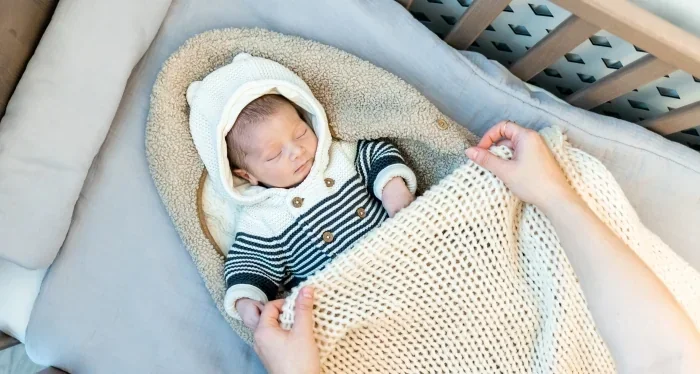
If you are comparing this question with cultural or family customs, the same basic checks still apply. Traditions may explain why babies are wrapped, but they do not remove the need to watch breathing, temperature, movement, and developmental changes. For related family reading, our article on why babies are wrapped in blankets provides a focused overview of the topic.
Frequently asked questions
Why are babies wrapped in blankets after birth?
Babies may be wrapped after birth to support warmth and provide a familiar, contained feeling. The wrap should still leave the face clear and allow normal breathing.
Does wrapping help every baby sleep?
No. Some babies dislike being wrapped, and wrapping does not remove the need for a clear, suitable sleep space. Stop if the baby becomes hot, distressed, or mobile.
Can a baby sleep with a loose blanket?
A loose blanket can move toward an infant’s face or become tangled. Keep loose bedding out of an unattended infant’s sleep area and follow current pediatric sleep guidance.
When should parents stop swaddling?
Stop restrictive swaddling when the baby shows signs of trying to roll or needs more freedom to move. Ask a pediatric professional about the next step if you are uncertain.
How can I tell if a wrapped baby is too hot?
Feel the baby’s chest or back and look for unusual heat, dampness, flushing, or distress. Remove a layer and seek medical advice if the baby remains unusually hot or seems unwell.
Final thoughts
Babies are wrapped for warmth, comfort, and a snug feeling, but the safe choice depends on supervision and development. Keep the face clear, allow natural movement, check for overheating, and stop restrictive wrapping when rolling begins. Your next step is simple: observe the baby’s comfort and movement before deciding whether a wrap is needed.